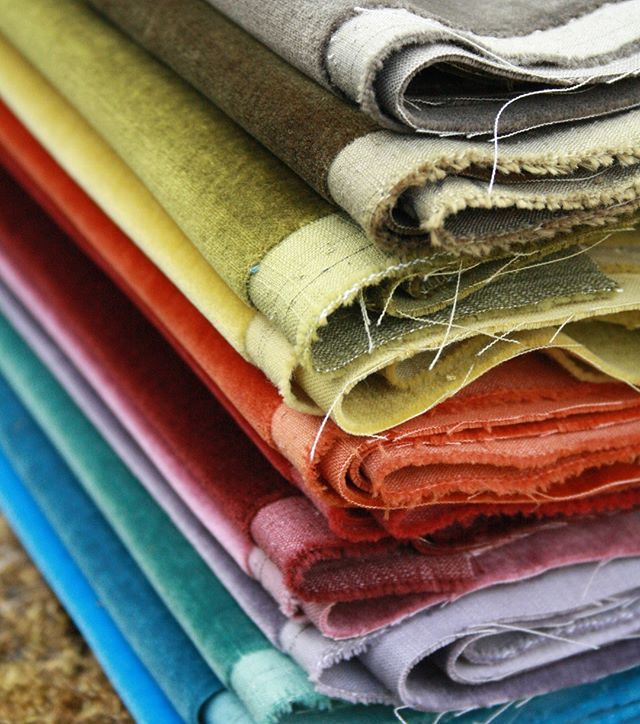
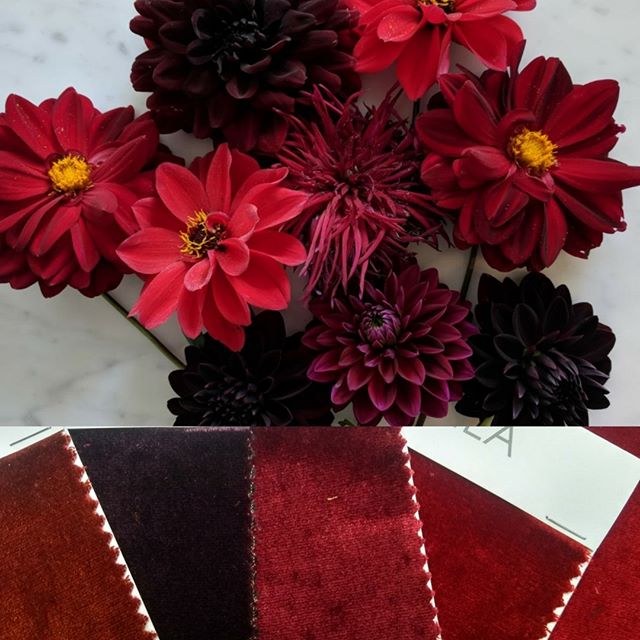
KOTHEA shadow cotton velvet in jewel colours, suitable for contract upholstery with a Martindale rub test of 40,000. . . . . . . .
Shadow cotton velvet in jewel colours

Passionate About Fabrics
KOTHEA shadow cotton velvet in jewel colours, suitable for contract upholstery with a Martindale rub test of 40,000. . . . . . . .
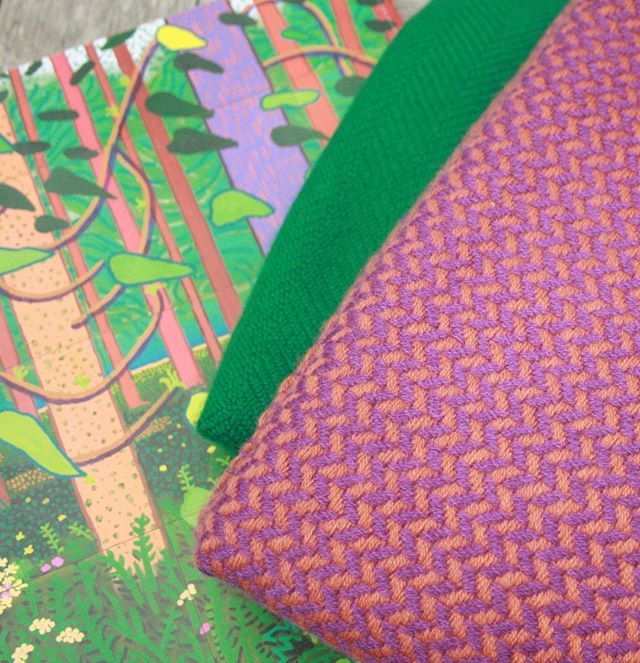
KOTHEAstudio Kothea bespoke cashmere throws inspired by David Hockney.


 Offices are an essential area in every organisation since that is where all work is planned, preserved and monitored. Having a good working environment has a significant effect on employee output, so businesses should ensure that their office design boosts the mood of its staff. Workers in an excellently designed office tend to be more productive than those who work in disorganised environments. There are various aspects which ought to be considered while creating an office to enhance production and morale.
Lighting
An office fit out of the highest order should ensure that enough natural light enters the office during the day. The quality and quantity of light in the office area can have an impact on the aesthetic judgement and resulting mood of the employees. The volume of light entering the office should be controlled by those who work there, through the use of blinds and drapery to reduce glare and other brightness related issues.
In the evening, the room should be well illuminated for any employees who might be working late. The bulbs used in the office should be located in positions where they won’t strain the eyes of employees, whilst still providing enough light to make reading and writing comfortable. A well-lit room also plays a significant role in preventing accidents.
An office with dull lighting can make employees feel miserable and demotivated, something that isn’t good for any business.
Redesigning
One discovery from human resource research is that employees become happier when their offices are redesigned. A study on 257 employees, as published in the Journal of Vocational Behaviour, showed that workers experienced a feeling of collaboration and innovation within their company on the back of a redesigned office. Employees who visit the same room for years tend to get bored and do not look forward to reporting to their specific jobs, as compared to those whose offices have been redeveloped and kept fresh over time.
A refurbished office creates a sense of progression and provides employees with a new environment in which they can feel as though they are starting a job or a promotion. In redesigning an office, employees can make their suggestions to the decision makers, giving themselves a sense of purpose in the process.
Furniture and Equipment
The working area should provide employees with enough comfortable furniture for themselves as well as any clients who visit the office. Having comfy chairs and correctly sized tables ensures that employees don’t injure themselves whilst working, which could significantly reduce their productivity. The office furniture should also be arranged in such a way that clients will not interfere with the work of the employees when they come to visit.
Employees should also be provided with up-to-date office equipment such as modern computers and Wi-Fi. An office with the latest state-of-the-art technology boosts the mood of the employees due to their efficiency and speed of production. Such equipment should also provide a sense of trust where employees can control the functionality of their machines without the interference of the support team. They will also be responsible for taking care of expensive and technologically advanced equipment.
Greenery and Space
Small offices can make employees feel confined to their workspace due to the fact that they can seem crowded, whilst big offices can provide a better working area as well as room for expansion. Scientists’ study on lean offices found that green plants incorporated in certain areas can help in counteracting the adverse effect of large unoccupied spaces, which can create a feeling of emptiness. Greenery in lean offices can help increase comfort levels in the room, which increases productivity by up to 15%.
Privacy
An office fit out should provide environments where workers can work independently on their desks without feeling like they are being monitored by their colleagues or managers. Having a private workspace does not necessarily mean isolating employees from each other, but rather it provides employees with the opportunity to work without interference from the colleagues sitting nearby. Having workers in a standard room with independent counters helps to boost their morale and prevent boredom which is caused by working in solitude. This kind of office design also supports easier communication amongst employees.

 Renovating a property can be hugely exciting and, if the project runs smoothly, ultimately rewarding. But don’t be under any illusions – it’s a massive task to take on and it will feel overwhelming at times. Done properly, you’ll end up with a beautiful new home which has increased in value too, giving you a return on your investment and hopefully a chunk more on top.
Still, that’s the end result and might seem a long way off when you’ve just bought a rundown property – perhaps at a bargain price at an auction – and are gazing at a house in a state of disrepair, looking rather sorry for itself. Here are a few tips as to where to start with your renovation project:
You really should have had a clear vision in mind (ideally down on paper) before you bought the property – if not, the first step after purchasing it is to finalise the design. This guide from Homebuilding & Renovating states it well: ‘The very best thing to do is to take a long, hard look at the house and its grounds and work out which are its best bits, the features that drew you to the house in the first place (such as its views, large garden, characterful beams or original fireplaces and windows) and which are the worst.’
Don’t rush this part of the process. Take the time to work out what you really want and what will draw the very best from the property. You may not be able to do this yourself; you might need to appoint a designer and be prepared to go back and forth making revisions until you’re happy with it.
You’ll also need to hire an architect to formally assess the project, the condition of the property, and draw up plans. Ideal Home has a great checklist to help you to find the most suitable architect for your renovation project. An architect can assist with any structural changes that need making – although he may advise inspection and evaluation from a structural engineer if you want to remove internal walls and load-bearing walls. Depending on the renovation and work you intend to carry out, you might need planning permission or to obtain Building Regulations approval. The architect can manage this process on your behalf. The Royal Institute of British Architects – RIBA – can help you to search for architects in your region.
Of course, you’ll need a good builder to take on the project. It’s vital that you select the right person or company for the job. Getting recommendations from friends and family is a great way to start – do you know anyone who has had similar work done recently? If so, ask to visit their property and view what was done. Discuss any issues that came up, how they were resolved, how long the project took, and so on.
Don’t go with the first builder you speak to. Set up meetings with at least three or four builders, get quotes in from all of them and compare costs. Price shouldn’t be the only factor in your decision. Have they handled such projects before? Can they show you examples of previous work? If one builder’s quote is significantly cheaper than all the others’ you may feel suspicious and have a right to feel that way – look back through it and see what is and isn’t included. Ask for more detail if you need.
Discuss availability, too. If one builder is booked up for the next six months that’s perhaps a good sign – they’re in demand and busy. If another says they can start immediately, be wary.
Make your choice, agree start dates, share design and architect plans, and discuss a payment structure. If the project isn’t due to start for several months, stay in touch with any updates.
A final one before the work starts – don’t overlook the smaller details. When the property is legally yours, you are responsible for its maintenance and protection. Even if you’re planning to stay elsewhere while the work is being done, you must have insurance in place – look up RAC Home and Contents insurance for quotes – and you must inform the insurers of your circumstances.
Good luck!
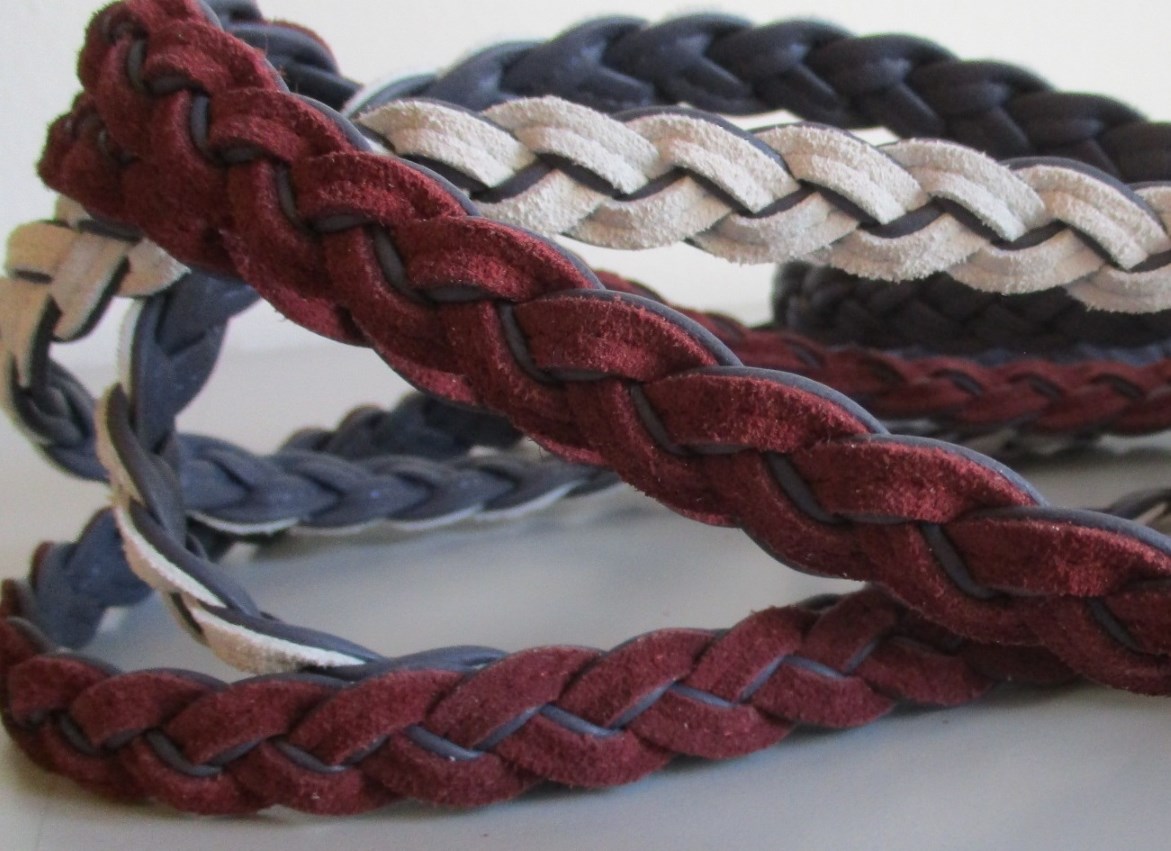
Italy is well-known for its fabric, leather and couture.
Many of KOTHEA’s velvets are sourced from Italy’s finest mills to provide some of the most luxurious upholstery and curtain fabrics available.
High-end upholstery is often reliant on high quality Italian leather Shoelaces, trimmings and smaller items can be made up from the remnants of the hides that are used on the furniture.
KOTHEA occasionally deal with full hides but, more often than not, designers these days choose faux leathers to minimise wastage and to ensure consistency of finish with a realistic finish often reminescent of Italian leather Lace manufacturers and coutire houses also often make use with off-cuts for handbags and other apparel usages.


My selfies are never going to grace the wall of the Museum of Fine Art; nor at Tate Modern for that matter.
However with a little internet wizardry, that even Harry Potter would be proud of, it is now eminently possible to turn your own photographs into works of art. Certainly to a standard where they can grace YOUR living room walls.
Essentially, online services will ask you to upload your image and then to choose an artistic style so that it’s algorithms can manipulate your image according to key features of that artistic style and/or medium. You can see that, above, with the Albert Einstein image rendered as in the style of Vincent van Gogh. Cool!
Services like Portraits on Demand offer a more straightforward and practical service that will render your image to mimic specific media such as oil, pencil, watercolour, charcoal, pastel and acrylic. This is a more cost effective approach, as the more complex manipulations that are made when changing the artistic style (rather than medium) can become quite prohibitive from a cost point of view. Sometimes ranging to the thousands of pounds/dollars.
Contrast those thousands with the cost of printing out and sending a media-mimiced image which will range from a few tens of pounds/dollars to a few hundred pounds/dollars. Mostly those costs are dependent on the size of the canvas and the secure shipping costs for getting the art to your door.
That feeling when you come home from work, kick off your shoes and enjoy a soft, cosy carpet beneath your feet just can’t be beaten. So it’s important to take your time when choosing a carpet to make your home warm and welcoming. Here are a few things to think about:
Type of carpet
Loop pile, deep pile, twist…there are so many different types of carpet out there it’s easy to get confused. The pile of carpet is basically the thickness and length of the fibres used to create the weaves on the carpet. The deeper the pile, the thicker the carpet. Loop pile has a more rustic, textured, authentic look and is hardwearing. A twist carpet also has a more textured finish. These types of carpets are best in an area where there is more traffic, for example on stairs and in hallways and landings.
Kids and pets
Having a carpet provides a safe and comfortable flooring for your kids to play and pets to curl up on. With that, however, comes the risk of muddy paw-prints, general wear and tear and stains. This is where patterned or striped designs are a good option to go for as they are generally hard-wearing and more resilient to the accidental mark.
Underlay
Make sure you are choosing the right underlay for your carpet. A lot of this does depend on your budget but you will need to think about how much traffic your carpet will be getting. If your house is cooler you will want to put in a warm underlay. The underlay is an important part of the comfort of a carpet.
Suitability
The best rooms for carpets are where warmth and comfort is needed so living rooms, bedrooms and hallways are popular choices. Kitchens and bathrooms tend to suit laminate and vinyl floorings where spillages are more likely. There are, however, specialist carpets available for these rooms if you prefer the feel of carpet underfoot in these rooms too.
Size
Multiply the length of a room by its width to get the total amount of square metres of carpet required. If your room is an odd shape or you have fireplaces or alcoves, make sure you measure these as well so your carpet does not come short. Always order a bit more carpet than you need. It’s better to have more than not enough. You can then keep any leftovers in case they are needed in the future.
Design and colour
When fitting a new carpet for a room think about the overall look you are trying to achieve. Do you already have a colour scheme and are you looking for a carpet to match or are you decorating the room completely from scratch? Is the carpet going to be the only feature or are you thinking of adding a rug as well? Striped carpets can be quite an eye-catcher but tend to work best with plainer walls. If your wallpaper is patterned, then striped carpets can clash. Similarly if you go for a patterned carpet, keep the wallpaper quite neutral.
Does the room get much light? If not, you’ll probably want to avoid darker colours and go for a paler or bright carpet that could lighten up your room. There are more ideas at HouseBeautiful.co.uk. Bear in mind, a carpet is an investment and something you’ll have for years, so have a look at colour samples and take your time before making a decision. Get it right and you’ll be onto a winner.

Most of us are familiar with the wool that our parents or grand-parents knitted with. Let’s use that wool as a generic example.
That wool is a YARN. It is a spun thread.
It is made of individual fibres that have been spun together to make the yarn. Fibres are threads or filaments or perhaps even animal hair.
The yarn can be woven into weaves/patterns. Usually a weave has many long thread running running as a warp through a roll of fabric. That weave typically also has another yarn running at ninety degrees from left-to-right called the weft.
Fairly simple. On the whole.
Knitting is not really weaving. Lots of kinds of weaves are used in knitting but knitting includes other methods as well as weaving. I’ll stop there !
Interior design sees a constant shifting in trends for decorating the home. Decade by decade, we’ve seen the nation’s taste go through many changes, from the bright and colourful to the sleek and minimalist. While we’ve all got our preferences, we are hugely influenced by what’s popular and this is no different when it comes to interior design.
What are the latest trends taking the interior design world by storm? Let’s take a look at what’s hot and how you can transform your home into a modern, trendy space that suits your personality down to the ground.
Florals
According to the latest style trends from Elle, florals are on their way to make a huge comeback in the interior design world. Given the preference for smooth surfaces and chrome we’ve seen in recent years, this is a little surprising but certainly welcome.
Using floral wallpapers, curtains, sheets and so on makes a strong visual statement that adds a touch of class to the room. Paired with furniture made from rich woods like mahogany, it evokes a classical feeling, like you’ve stepped back into Regency times. This is definitely for people that appreciate the old-fashioned and more traditional style of interior design, though it’s certainly well suited for people looking to make a bold statement about themselves.
Eco-Design
One of the latest trends is that of eco-design; in other words, environmentally conscious interior design. It’s a huge thing right now, which isn’t surprising. We’ve been moving towards eco-friendly living for a long time, so it makes sense that it would eventually make its way into how we decorate our homes. The aim is to save you money and reduce your carbon footprint: what’s not to like?
Eco-design has a strong focus on quality and filling rooms with warmth and sustainable fixtures, offering you a way to reinvigorate your home whilst saving money in the long-term. Using fixtures such as the range of eco-heaters from VeriSmart Heating, for example, have an appealing design and allow you to control the heating in your house efficiently. Eco-design is becoming more and more popular for two reasons: the first is that this is the way the tide is turning, and the second is that the quality is constantly improving. It’s now a very desirable option for many looking to redecorate their home; it certainly offers more benefits!
Old Meets New
There’s been a meeting of the new and the traditional in modern interior design trends according to Lush Home, combining the best features of both for a fine balance between classic comforts and futuristic, minimalist design. This combination of ideas gives people more of an opportunity to explore their creative side and create a home that’s personal to them.
Interior design is all about making the home yours, and this trend gives you the chance to make use of prints, colours and furniture that you wouldn’t have necessarily put together before. Results can range from cool and modern to unique and quirky; it’s up to you!
What other trends have you noticed in interior design this year, and are they going to carry into 2016?