Fabric Specification for Healthcare Environments: A Guide for Interior Designers

Anouska Hempel Design

Fabric Specification for Healthcare Environments: A Guide for Interior Designers

The overriding requirement: Every fabric in a healthcare environment must withstand the cleaning regime used in that facility. Confirm the specific products and frequencies with the estates or facilities team before specifying.
Fire standard: BS 7176 Medium or High Hazard depending on the building type and risk assessment. Not Crib 5 alone.
Martindale minimum: 100,000 rubs for patient seating and waiting areas. 60,000 rubs for lower-contact positions.
Fabrics to avoid: Any pile fabric, any fabric with a cleaning code of S, any fabric with a topical FR treatment that degrades with disinfectant cleaning.

Healthcare environments impose more demanding and more specific requirements on interior fabrics than almost any other building type. The combination of clinical cleaning regimes, continuous use, infection control obligations, fire safety requirements, and the extended periods for which patients and visitors are seated creates a specification challenge where a fabric that performs well in a hotel environment may fail completely within months of installation in a hospital or care home. This guide explains the specific requirements, the fabrics that meet them, and the fabrics to avoid.


Infection Control and Cleaning Compatibility

The single most important requirement for fabric in a healthcare environment is compatibility with the cleaning products and regimes used in that facility. Healthcare facilities use cleaning agents significantly more aggressive than those used in hospitality or commercial office environments. Common healthcare cleaning products include sodium hypochlorite solutions at concentrations of 1,000 ppm or above for high-risk areas, quaternary ammonium compounds, hydrogen peroxide solutions, and alcohol-based disinfectants at 70% or above.

Many of these products are incompatible with standard upholstery fabrics. Bleach solutions will strip topical FR treatments, cause colour fade, and degrade most natural fibre fabrics within weeks of regular application. Alcohol-based disinfectants can cause surface breakdown in some PVC faux leathers if the plasticiser formulation is not alcohol-resistant.

Before specifying any fabric for a healthcare project, obtain the specific cleaning products and frequencies used in each area from the estates or facilities management team. Present these to the fabric supplier and request written confirmation of compatibility. Do not rely on general claims of healthcare suitability — obtain confirmation for the specific products used in the specific facility.


Fire Standards for Healthcare

Healthcare buildings are subject to specific fire safety requirements under HTM 05-03 and BS 7176, which specifies fire performance requirements for non-domestic upholstered seating. The applicable BS 7176 hazard category depends on the risk assessment for the specific area.

Medium Hazard under BS 7176 is the minimum for most patient seating, waiting areas, and staff areas in standard healthcare buildings. High Hazard applies to areas where sleeping accommodation is provided — residential care facilities, hospital wards, overnight facilities. Very High Hazard applies to areas where residents have limited mobility or require assistance to evacuate.

BS 7176 includes BS 5852 Crib 5 as its core test for upholstered seating and additionally requires cigarette and match tests. A fabric that simply holds a Crib 5 certificate is not automatically compliant with BS 7176 Medium Hazard. The complete assembly — fabric, interliner, and filling — must be certified to the applicable BS 7176 standard. For guidance on these standards, see our Crib 5 guide and hotel fabric specification guide.

For curtains and cubicle curtains in healthcare environments, BS 5867 Part 2 Type B is the standard requirement. Cubicle curtains used in clinical areas typically require Type C, which includes a launderability pre-conditioning stage confirming that the fire performance survives repeated laundering at 71 degrees Celsius.


Martindale Requirements

Patient seating and waiting area seating in healthcare environments is subject to continuous use throughout the operating hours of the facility. Chairs in an outpatient waiting area may be occupied for sixteen hours a day, seven days a week. The Martindale rub count requirement for this level of use is 100,000 rubs minimum. Seating in lower-contact positions — staff areas, offices, lower-traffic corridors — may be specified at 60,000 rubs minimum, but confirm the use pattern for each position before reducing the specification below 100,000.


Suitable Fabrics for Healthcare

Silicone leather. The strongest all-round specification for patient-contact seating in clinical healthcare environments. Silicone leather is inherently flame resistant without topical treatment, which means its fire performance is not affected by aggressive cleaning. It is compatible with hospital-grade disinfectants including hypochlorite solutions and alcohol-based disinfectants, is non-porous and does not support microbial growth, achieves very high Martindale counts, and is easy to wipe clean to clinical standards.

High-specification PVC faux leather. Compatible with most healthcare cleaning regimes provided the specific formulation has been confirmed as alcohol-resistant and hypochlorite-stable. Healthcare-grade PVC faux leather with welded seams — which eliminates the crevice at the seam line where microorganisms can harbour — is appropriate for patient seating and waiting areas. Confirm that the specific product holds a healthcare suitability certification from the manufacturer. Standard commercial PVC faux leather is not automatically suitable for clinical use. See our faux leather types compared guide for detail.

Coated performance fabrics. Some woven fabrics with a polyurethane or acrylic coating achieve the combination of breathability and cleanability required for patient seating in rehabilitation and residential care environments where patient comfort over extended periods is a higher priority than clinical cleanliness. Confirm cleaning compatibility and confirm that the coating does not crack or peel under the specific cleaning regime used.

Healthcare-specific contract wovens. Some specialist fabric manufacturers produce woven fabrics designed specifically for healthcare use, with inherent antimicrobial properties, high Martindale counts, and confirmed compatibility with healthcare cleaning products. These are appropriate for lower-risk healthcare areas — staff rooms, reception desks, family waiting areas — where the clinical cleaning regime is less aggressive.


Fabrics to Avoid in Healthcare

Any pile fabric — velvet of any fibre type — is unsuitable for patient-contact seating in healthcare environments. The pile structure traps particulate matter, bodily fluids, and microorganisms and cannot be cleaned to clinical standards with the products used in healthcare facilities. For full guidance on velvet specification limitations, see our when not to use velvet guide.

Any fabric with a cleaning code of S is unsuitable for healthcare environments where water-based disinfectant cleaning is routine. Any fabric with a topical FR treatment that degrades with disinfectant cleaning is unsuitable for areas where fire performance must be maintained across the full service life. Standard wool, mohair, linen, and cotton upholstery fabrics are unsuitable for clinical patient-contact areas.


Specific Area Guidance

Patient rooms in acute hospitals require the most stringent specification: silicone leather or healthcare-grade PVC faux leather for any patient-contact upholstery, BS 7176 High Hazard fire certification for all seating, and confirmed compatibility with the full cleaning and disinfection protocol.

Outpatient and waiting areas permit a slightly broader specification. Healthcare-grade PVC faux leather or high-specification coated fabrics are appropriate for seating. The aesthetic can be warmer and less clinical than patient room specification. Fire standard remains BS 7176 Medium Hazard minimum. Martindale minimum 100,000 rubs.

Residential care homes occupy an intermediate position between acute healthcare and hospitality. The fire standard is typically BS 7176 High Hazard for sleeping accommodation areas. The cleaning regime is typically less aggressive than acute healthcare. High-specification contract wovens with confirmed cleaning compatibility may be appropriate for lounge and dining areas.


Quick answers

Can velvet be used anywhere in a healthcare building?
Velvet is unsuitable for any patient-contact seating in clinical or quasi-clinical environments. In low-clinical-risk areas of private healthcare — executive offices, family suites, reception areas with low patient contact — velvet may be appropriate if the cleaning regime is compatible and fire certification is confirmed. Confirm the specific cleaning products and the risk category of the area with the facilities team before specifying.

What fire standard applies to hospital waiting areas?
BS 7176 Medium Hazard is the minimum applicable standard for most hospital waiting areas and outpatient seating. The complete assembly — fabric, interliner, and filling — must be certified, not only the fabric. For areas providing sleeping accommodation, BS 7176 High Hazard applies.

How do I confirm a fabric is suitable for healthcare cleaning?
Obtain the specific cleaning products and concentrations used in the area being specified from the facility’s estates or facilities management team. Present these to the fabric supplier and request written confirmation of compatibility. Where possible, request a sample and test it with the actual cleaning product before finalising the specification.

What is the difference between BS 5867 Type B and Type C for healthcare curtains?
BS 5867 Part 2 Type B requires fire performance before laundering. Type C requires fire performance to be maintained after laundering pre-conditioning at 71 degrees Celsius for a defined number of cycles. For cubicle curtains in clinical areas that are regularly laundered, Type C is the appropriate standard.


For Building Safety Act 2022 requirements — many hospital buildings qualify as higher-risk buildings — see our Building Safety Act and fabric specification guide.

For fire certification standards, see our Crib 5 guide and hotel fabric specification guide. For faux leather types suitable for healthcare, see our faux leather types compared guide.

Request Samples

Order cutting samples of any fabric from our current collections. Trade accounts only.

Order Cuttings

When Not to Use Velvet — and What to Specify Instead

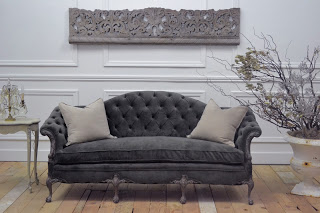
Black mohair velvet upholstery on a regal chair

When Not to Use Velvet — and What to Specify Instead

Velvet fails fastest in: High-UV environments, wet or humid conditions, applications requiring water-based cleaning, tight upholstery with sharp frame edges.
The most common misspecification: Cotton or synthetic velvet in a contract environment without Crib 5 certification, or any velvet in an outdoor or semi-outdoor setting.
What this guide covers: The specific applications and conditions where velvet is the wrong choice and what to specify instead for each scenario.

Velvet is one of the most commercially significant upholstery fabrics in the UK interior design market. It also generates more specification failures than almost any other fabric type. The failures are not caused by velvet being an inferior product — at its best, contract mohair velvet is among the most technically capable upholstery fabrics available. They are caused by velvet being specified in conditions for which it is structurally unsuitable. This guide is a frank account of when not to use velvet and what to choose instead.

For comparative performance data of different velvet types, see our velvet types compared guide.


Outdoor and Semi-Outdoor Environments

No natural-fibre velvet — mohair, cotton, linen, silk, cashmere — is suitable for outdoor or semi-outdoor use. The pile structure of velvet traps and retains moisture, which in outdoor conditions accelerates mould and mildew growth within the pile. UV exposure degrades natural fibre dyes at a much faster rate on outdoor velvet because the pile structure increases the surface area exposed to UV radiation relative to the fabric weight.

Semi-outdoor applications — covered terraces, glazed atriums with opening panels, poolside seating under a canopy — are equally problematic. The combination of occasional direct moisture exposure and sustained UV transmission produces conditions that natural-fibre velvet cannot tolerate.

Specify instead: Solution-dyed acrylic, high-specification outdoor polyester, or marine-grade PVC faux leather with UV stabilisers. See our IMO marine standards guide for marine and outdoor fabric guidance.


High-Humidity Environments

Velvet in sustained high-humidity conditions — spa changing rooms, pool surrounds, steam room lobbies — absorbs atmospheric moisture and does not dry quickly due to the density of the pile. Retained moisture in the pile base creates conditions for mould growth and accelerates deterioration of the backing structure.

Specify instead: PVC or silicone faux leather, both of which are non-absorbent and can be wiped dry. See our faux leather types compared guide.


Applications Requiring Regular Water-Based Cleaning

Most velvet carries a cleaning code of S — solvent-based dry cleaning only. Water applied to S-coded velvet causes watermarks and pile distortion that may be permanent. In any environment where the cleaning team applies water-based products to upholstered surfaces as standard — hotel bedrooms on standard cleaning schedules, restaurant seating cleaned between services with damp cloths, healthcare environments requiring wet disinfection — S-coded velvet is incompatible with the operational reality.

This is the most common operational failure with velvet in hospitality environments. The fabric is specified, installed, and cleaned incorrectly within the first week.

Specify instead: Confirm whether the specific velvet range carries a WS code rather than S. If water-based cleaning is unavoidable throughout the scheme, specify PVC faux leather for those positions and use velvet in areas — headboards, decorative cushions, low-use occasional seating — where the cleaning regime can be controlled.


South-Facing Rooms and High-Light Environments

Velvet in pale colourways in south-facing rooms will show fading faster than an equivalent flat-woven fabric. The pile structure presents a larger surface area to light than a flat weave of the same fibre and weight, accelerating photodegradation of the dye. For guidance on light fastness ratings and room orientation, see our light fastness and Blue Wool Scale guide.

Specify instead: Confirm the ISO 105-B02 grade for the specific colourway before ordering. For very high-light conditions, specify dark mohair velvet colourways or move to a flat-woven fabric in a light-fast colourway for the most exposed positions.


Tight Upholstery Over Sharp Frame Edges

Velvet pile is vulnerable at points where the fabric is pulled tightly over sharp frame edges — the corners of seat pads, the edges of dining chair backs. At these points the pile is subjected to sustained localised tension that gradually pulls fibres from the pile base, causing thinning and eventually pile loss. When specifying velvet for an upholstery project, ensure the furniture specification calls for appropriately softened frame edges at all contact points.

Specify instead: For furniture with unavoidably sharp frame edges, specify a flat-woven fabric in a comparable colour and weight. The absence of pile eliminates the pile-loss risk at edges entirely.


Healthcare Environments Requiring Disinfectant Cleaning

Healthcare environments use cleaning products — hypochlorite bleach solutions, quaternary ammonium compounds, alcohol-based disinfectants — that are incompatible with the cleaning codes of most velvet fabrics. The pile structure traps contaminants and cannot be cleaned to clinical standards.

Specify instead: Silicone leather for patient-contact seating in clinical environments. For full guidance, see our fabric for healthcare environments guide.


Budget-Constrained Projects Where Velvet Requires FR Treatment

Cotton, linen, and synthetic velvets that do not carry an inherent Crib 5 certification require FR treatment for contract use. The treatment adds cost, programme time, and introduces dye interaction risks in certain colourways. For a budget-constrained project, the total cost including treatment may exceed the cost of an alternative with inherent certification. See our dye types and FR treatment guide for the specific risks.

Specify instead: Mohair velvet with independently certified Crib 5 achieved without topical treatment eliminates the treatment cost, programme time, and dye risk entirely.


Quick answers

Can velvet be used outdoors?
No natural-fibre velvet is suitable for outdoor or semi-outdoor use. The pile structure retains moisture and the fibres degrade rapidly under UV exposure. For outdoor or covered terrace seating, specify solution-dyed acrylic or marine-grade PVC faux leather engineered for outdoor conditions.

Why does velvet watermark?
Water applied to velvet causes individual pile fibres to mat together in the wetted area as surface tension pulls fibres toward the water droplet. When the water evaporates, the fibres dry in this distorted position. The resulting mark is permanent in most natural-fibre velvets once dried. This is why most velvet carries a cleaning code of S.

Is any velvet suitable for areas that need water-based cleaning?
Some synthetic velvets carry a W or WS cleaning code and can be spot-cleaned with water-based products. Confirm the cleaning code on the specific range data sheet before specifying and test compatibility with the specific cleaning product before installation. No natural-fibre velvet should be specified where water-based cleaning will be applied routinely.

When is velvet the right choice despite its limitations?
Velvet is the right choice when its specific combination of properties — tactile quality, depth of colour, inherent Crib 5 for mohair, high Martindale count, and visual character — aligns with the project requirements and the operational environment is compatible with its care requirements. Hotel lobby seating, restaurant banquettes in dry controlled environments, residential sofas, headboards, cushions, and curtains in appropriate light conditions are all applications where correctly specified velvet performs excellently.


For velvet types and comparative performance, see our velvet types compared guide. For hotel velvet specification, see our hotel fabric specification guide. For alternatives in high-cleaning environments, see our faux leather types compared guide.

Request Samples

Order cutting samples of any fabric from our current collections. Trade accounts only.

Order Cuttings

Mohair Thermal Properties: Why It Works in Hotels Year-Round

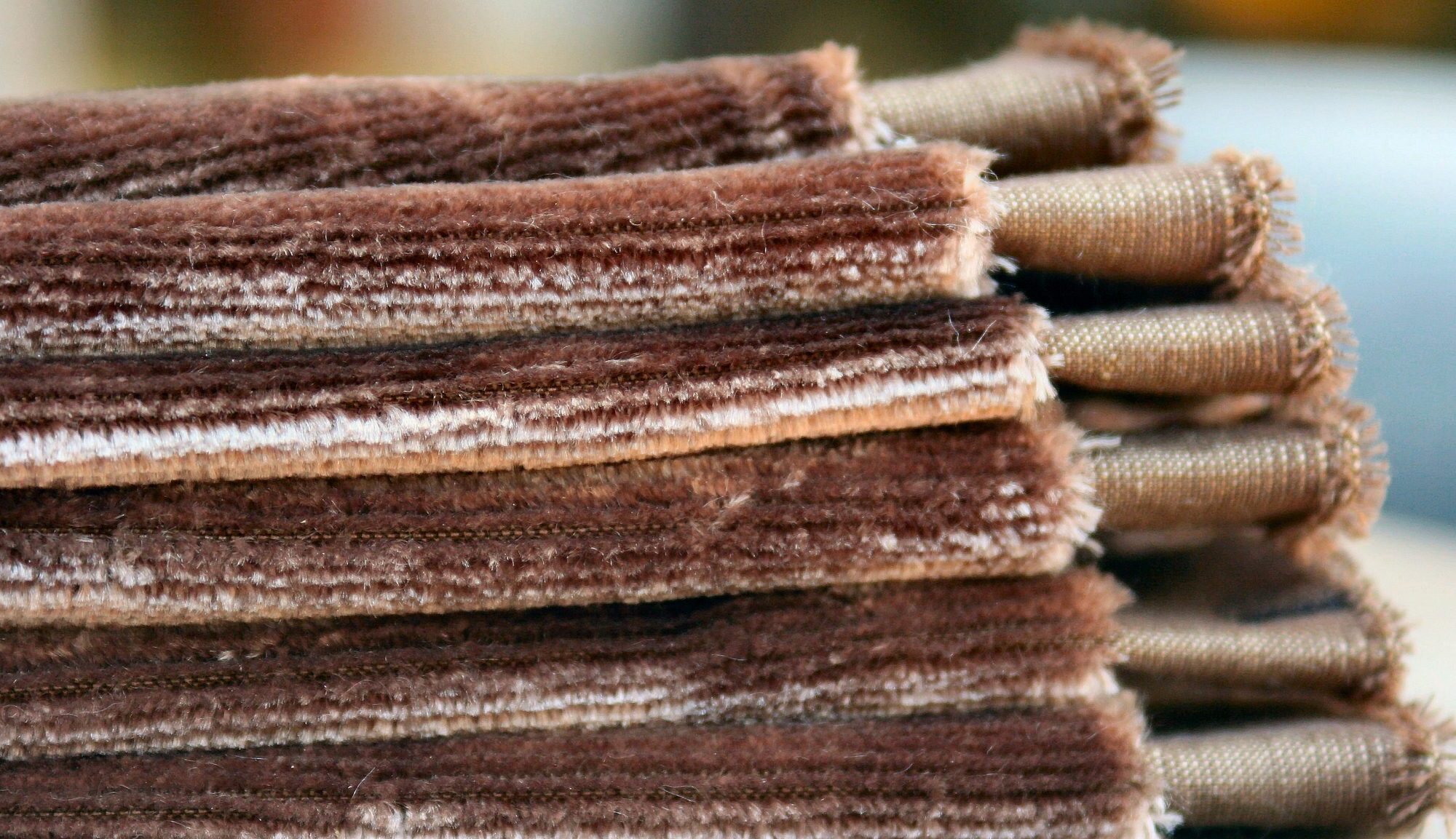
Grey Mohair Velvet Upholstery

Mohair Thermal Properties: Why It Works in Hotels Year-Round

The key property: Mohair fibre is hollow at the microscopic level, trapping air and providing insulation without the bulk associated with wool.
The practical result: Mohair feels warm to the touch but does not cause overheating in sustained use — it regulates temperature rather than simply retaining heat.
Moisture management: Mohair absorbs up to 30% of its weight in moisture vapour before feeling damp, making it comfortable across a wide range of humidity conditions.
Why it works in hospitality: The combination of thermal regulation and moisture management makes mohair velvet comfortable across seasons and climates without the seasonal specification limitations of most upholstery fabrics.

Most upholstery fabric discussions focus on durability, fire rating, and cleaning compatibility. The thermal and moisture management properties of mohair velvet are less frequently discussed but are commercially significant in hospitality environments where guests sit for extended periods across a wide range of ambient temperatures and humidity levels. This guide explains the physical mechanism behind mohair’s thermal performance, how it compares to other upholstery fibres, and why these properties support specification in hotel and hospitality environments year-round.


The Hollow Fibre Structure

Mohair fibre — the hair of the Angora goat — has a medullated structure. The fibre contains a medulla, a cellular core that runs through the centre of the fibre and creates air-filled spaces within the fibre itself. This hollow structure traps air within the fibre rather than just between fibres as in a conventional yarn. Trapped air is an excellent insulator: it reduces the rate at which heat is conducted away from the body.

The result is a fibre that provides warmth without the density and bulk required by other fibres to achieve the same insulating effect. A mohair velvet achieves its thermal character at a lower pile weight than a wool velvet of equivalent warmth performance. This is commercially relevant in upholstery because it means a warmer fabric without the added weight that can make a piece feel heavy or overbuilt.


Temperature Regulation Rather Than Heat Retention

The distinction between a fabric that retains heat and one that regulates temperature matters for extended seating use. A fabric that simply retains heat will feel warm initially but cause discomfort in sustained contact as body heat accumulates at the fabric surface and cannot dissipate. This is the mechanism behind the stickiness associated with non-breathable synthetic upholstery in warm environments.

Mohair velvet regulates rather than simply retains. The hollow fibre structure and the natural protein composition of mohair allow the fibre to respond to changes in body temperature and humidity. When the body produces more heat and moisture, the fabric absorbs moisture vapour from the skin and the warmer air near the body surface can circulate through the pile structure. When conditions cool, the absorbed moisture is released and the fibre’s insulating properties provide warmth.

This active thermal behaviour is described in textile science as hygroscopic regulation — the fibre’s ability to absorb and release moisture in response to environmental conditions moderates the microclimate between the body and the fabric surface. It is the same mechanism that makes wool and cashmere comfortable across a wider temperature range than synthetic fibres of equivalent weight.


Moisture Management

Mohair can absorb up to approximately 30% of its own dry weight in moisture vapour before the surface of the fibre begins to feel damp to the touch. This high moisture absorption capacity means that perspiration from guests sitting for extended periods is absorbed by the fibre and held within the fibre structure rather than remaining at the fabric surface. The fabric surface continues to feel dry even as the fibre absorbs moisture.

The absorbed moisture is subsequently released as the ambient conditions change — when the guest leaves and the seat is unoccupied, or when the ambient temperature drops — restoring the fabric to its dry state without the need for active drying or cleaning. This self-refreshing behaviour is a practical advantage in hospitality environments where upholstery is in continuous use throughout the day and cannot be dried between seatings.

The moisture absorption also generates a small amount of heat — a property known as heat of sorption — which contributes to the warm sensation associated with wool and mohair in cooler conditions.


Comparison with Other Upholstery Fibres

Cotton and linen are cellulosic fibres with good moisture absorption but no hollow fibre structure. They absorb moisture well but do not provide the same insulating warmth as mohair. A cotton velvet feels cooler to first touch than mohair of equivalent pile weight.

Polyester and other synthetic fibres have very low moisture absorption — typically below 1% of their dry weight. Synthetic upholstery fabrics do not absorb perspiration; it remains at the fabric surface and evaporates slowly, producing the clammy sensation associated with synthetic seating in warm environments. In cool conditions, synthetic fabrics feel cold to first touch because they conduct heat away from the body rapidly.

Faux leather — PVC and PU — has negligible breathability or moisture absorption. It is comfortable for short contact periods but in extended seating in warm conditions the lack of moisture management becomes uncomfortable, a practical consideration where guests may sit for two to three hours.


Why This Supports Year-Round Hospitality Specification

A hotel lobby, bar, or restaurant operates across a wide range of seasonal temperatures. In winter, guests arrive from cold outdoor conditions and the ambient temperature is maintained at 20 to 22 degrees Celsius. In summer, the ambient temperature may be similar but guests arrive warm. The thermal and moisture management demands on the upholstery fabric are very different across these conditions.

Mohair velvet performs well in both conditions because its thermal regulation is active rather than passive. The hollow fibre provides insulation in cool conditions. The moisture absorption capacity prevents surface dampness in warm conditions. The pile structure allows some air circulation through the fabric in warm conditions while maintaining pile density and pile recovery in cool conditions. The result is a fabric that does not need to be specified differently for summer and winter.


Quick answers

Why does mohair feel warm?
Mohair fibre has a medullated hollow core that traps air within the fibre itself, providing insulation without requiring the bulk of denser fibres. The protein structure of mohair also generates a small amount of heat when it absorbs moisture — a property called heat of sorption — which contributes to the warm sensation on first contact. Unlike synthetic fibres, which conduct heat away from the body rapidly and feel cold to first touch, mohair conducts heat more slowly and feels immediately warm.

Does mohair velvet become uncomfortable in warm weather?
No. Mohair can absorb up to approximately 30% of its weight in moisture vapour before the surface feels damp. In warm conditions, perspiration from guests is absorbed into the fibre and held away from the skin surface, keeping the fabric surface dry. In sustained warm-weather use, mohair remains more comfortable than non-breathable synthetic alternatives.

Is mohair velvet suitable for restaurant seating where guests sit for long periods?
Yes, provided the Martindale rub count and fire certification meet the requirements of the specific environment. The thermal and moisture management properties of mohair are well-suited to extended seating use. For restaurant seating Martindale thresholds, see our hotel fabric specification guide.


For mohair velvet specification data including Martindale rub counts, fire ratings, and colourways, see the mohair velvet upholstery page. For velvet type comparisons, see our velvet types compared guide. For fabric hand and tactile properties, see our fabric hand guide.

Request Samples

Order cutting samples of any fabric from our current collections. Trade accounts only.

Order Cuttings

Pilling Resistance in Upholstery Fabric: A Guide for Interior Designers

Silk Velvet Upholstery Mohair

Pilling Resistance in Upholstery Fabric: A Guide for Interior Designers

What pilling is: Small balls of tangled fibre that form on the fabric surface through friction and use, altering appearance even when the fabric remains structurally intact.
The test: ISO 12945-2 Martindale pilling test, graded 1 to 5. Grade 5 is no change. Grade 4 is slight surface fuzzing. Grade 3 is moderate pilling. Contract minimum is grade 4.
Highest pilling risk: Short-staple fibre blends, loosely twisted yarns, natural-synthetic blends.
Lowest pilling risk: Long-staple natural fibres, tightly twisted yarns, high-density weaves, mohair velvet.

A fabric can achieve 80,000 Martindale rubs and still pill badly. Abrasion resistance and pilling resistance are distinct properties measured by different tests. A fabric that resists structural wear may nevertheless develop an unsightly surface of small fibre balls within months of use, fundamentally altering its appearance without any yarn breaking. For pile fabrics in particular, pilling can destroy the visual quality of a fabric long before its structural integrity is compromised. This guide explains what causes pilling, how it is tested, which fabrics carry the highest and lowest risk, and what to specify to avoid problems in contract use.

For abrasion resistance and Martindale rub counts, see our Martindale rub test guide. For velvet types and their performance characteristics, see our velvet types compared guide.


What Causes Pilling

Pilling begins when individual fibres work free from the yarn structure through friction and mechanical stress. Loose fibre ends at the surface of the fabric are caught by adjacent surfaces and tangled together into small balls. These balls remain attached to the fabric by the fibres still anchored within the yarn, which is why they do not simply fall off. The ball continues to grow as more loose fibres are captured and incorporated into it.

The size and tenacity of pills varies by fibre type. Natural fibres produce pills that are relatively fragile and may eventually detach from the fabric surface through continued friction. Synthetic fibres produce pills that are anchored by stronger fibres that do not break under continued use. The pills grow, persist, and resist removal. This is why fabrics containing synthetic fibres often pill more visibly and permanently than pure natural-fibre fabrics.

Blended fabrics often pill worst of all. The short, weak natural fibres break loose from the yarn easily, producing the loose ends that form pill nuclei. The stronger synthetic fibres then anchor the pills to the fabric surface, preventing them from detaching. The result is persistent, anchored pills formed from natural fibre content but held in place by synthetic fibre anchors.


The Pilling Test: ISO 12945-2

Pilling resistance is tested to ISO 12945-2 using the Martindale machine with a different abradant. For pilling assessment, the fabric sample is rubbed against itself rather than against a worsted wool abradant. The machine runs for a defined number of cycles and the sample is then assessed visually against reference photographs and graded on a scale of 1 to 5.

Grade 5 indicates no change. Grade 4 indicates slight surface fuzzing or early-stage pilling, barely visible in normal viewing conditions. Grade 3 indicates moderate pilling, noticeable in normal use. Grade 2 indicates distinct pilling. Grade 1 indicates severe, dense pilling across the whole surface.

The test is typically run at 125, 500, 1000, and 2000 cycles. A fabric assessed at 2000 cycles with a grade of 4 or above is considered acceptable for contract upholstery use. The contract minimum is grade 4. A fabric achieving grade 3 at 2000 cycles will show noticeable pilling in use and is not appropriate for contract seating applications regardless of its Martindale abrasion count.


Fibre Types and Pilling Risk

Mohair. Lowest pilling risk of all natural-fibre velvets. The long-staple mohair fibre has fewer free ends per unit length of yarn than short-staple fibres. Fewer free ends means fewer pill nuclei. The smooth surface of the mohair fibre also means that free ends slide rather than tangle, reducing the rate of pill formation. Mohair velvet in contract grades typically achieves grade 4 to 5 at 2000 cycles.

Wool. Low to moderate pilling risk depending on fibre length and yarn construction. Merino wool pills less than coarser short-staple wool. Tightly spun wool yarns pill less than loosely spun yarns of the same fibre.

Cotton. Moderate pilling risk. Short-staple cotton varieties pill more than long-staple varieties such as Egyptian or Pima cotton. Cotton velvet is more susceptible to pilling than mohair velvet because cotton fibres are shorter and the pile construction exposes more free ends per unit area.

Linen. Low pilling risk. Linen is a long-staple bast fibre. The fibre length and relatively smooth surface reduce pill formation compared to cotton.

Polyester. High pilling persistence if it pills at all. Synthetic fibres anchor pills rather than allowing them to detach. When pills do form they are tenacious.

Natural-synthetic blends. Highest pilling risk in practice. Specifying blends for contract upholstery requires specific pilling grade confirmation, not just Martindale abrasion data.


Construction Factors That Affect Pilling

Yarn twist affects pilling directly. A high-twist yarn locks fibres into the yarn structure more firmly, reducing the number of free ends exposed at the surface. A low-twist yarn allows fibres to work free more easily. Two fabrics of the same fibre and weight can have very different pilling grades depending on the yarn construction.

Weave density affects pilling by controlling the movement of yarns at the fabric surface. A tight, dense weave restricts yarn movement and reduces the abrasion between adjacent yarns that generates free fibre ends.

Pile construction in velvet affects pilling through pile height and density. A short, dense pile has fewer exposed free ends per unit area than a long, open pile of the same fibre. Contract-grade velvet is typically specified with a denser, shorter pile than residential velvet partly for this reason.


Pilling in Use: What Clients Experience

Pilling in upholstery is most visible in areas of sustained friction — seat cushions where clothing rubs against the fabric, and armrests. In a hotel or restaurant environment, denim in particular is highly abrasive and accelerates pilling. Pilling is not repairable in the way that surface staining can sometimes be treated. A pilled fabric requires either mechanical depilling — a temporary intervention — or replacement. Brief clients on pilling risk at the point of specification, particularly for natural-fibre pile fabrics in contract environments.


Quick answers

What is the difference between pilling and abrasion?
Abrasion is the physical wearing away of yarn structure through friction, measured by Martindale rub count. Pilling is the formation of surface fibre balls through the tangling of loose fibre ends, measured separately by ISO 12945-2. A fabric can have a very high Martindale abrasion count and still pill badly. Both should be confirmed before specifying a fabric for contract use.

What pilling grade should I specify for contract upholstery?
Grade 4 minimum to ISO 12945-2 at 2000 cycles. For high-traffic environments, grade 4 to 5 is a more defensible specification. Always confirm the grade for the specific colourway being ordered, as pilling grades can vary between colourways in the same range.

Does mohair velvet pill?
Mohair velvet has the lowest pilling risk of any natural-fibre velvet due to the long staple length and smooth surface of the mohair fibre. Contract-grade mohair velvet typically achieves grade 4 to 5 at 2000 cycles. It is the most pill-resistant natural-fibre velvet available for contract upholstery.

Why do natural-synthetic blend fabrics pill so badly?
Natural-synthetic blends combine the pill-forming tendency of short natural fibres with the pill-anchoring strength of synthetic fibres. The result is persistent, anchored pills that grow with continued use. Blended fabrics for contract use require specific pilling grade confirmation before specifying.


For abrasion test method differences between Martindale and Wyzenbeek, see our Wyzenbeek vs Martindale guide.

For abrasion resistance, see our Martindale rub test guide. For velvet types and contract suitability, see our velvet types compared guide.

Request Samples

Order cutting samples of any fabric from our current collections. Trade accounts only.

Order Cuttings

How FR Treatment Works: A Plain-English Guide for Interior Designers

Black Faux Leather Chair

How FR Treatment Works: A Plain-English Guide for Interior Designers

What FR treatment does: It slows or prevents the ignition and spread of flame by interfering with the chemistry of combustion at the surface of the fabric.
The two main methods: Back-coating (paste applied to the reverse — standard for upholstery Crib 5) and wet padding (chemical solution applied to the whole fabric — standard for curtain treatment).
Inherent vs topical: Inherent fire resistance is a permanent property of the fibre itself. Topical treatment is applied after weaving and can degrade over time, through cleaning, or through interaction with certain dyes.
Who can certify: Only a UKAS-accredited testing laboratory. No fabric company, designer, or treatment provider can self-certify.

Most interior designers who specify FR-treated fabrics regularly have never seen the treatment process and have only a general idea of how it works. This guide explains the chemistry and process in plain language — not to make designers into treatment specialists, but to give them enough understanding to ask the right questions, spot specification risks before they become problems, and explain FR compliance confidently to clients and contractors.

For which fibres can be treated, see our FR treatment and fibre compatibility guide. For dye types and their interaction with treatment, see our dye types and FR treatment guide. For the fire standards that require treatment, see our Crib 5 guide.


Why Fabrics Need FR Treatment

All organic fibres will burn if exposed to sufficient heat and ignition energy. The chemistry of combustion in textiles follows a consistent pattern. When a fibre is heated, its polymer structure begins to break down — a process called pyrolysis. This produces flammable gases. The gases mix with oxygen from the atmosphere and ignite, producing a flame. The flame generates further heat, which causes more pyrolysis, which produces more flammable gas, which sustains and spreads the fire. This self-reinforcing cycle is what makes unprotected upholstery and curtains a serious fire hazard in public buildings.

FR treatment breaks this cycle at one or more points. Depending on the type of FR compound used, it may prevent or delay pyrolysis, reduce the quantity or flammability of the gases produced, cause the fabric to form a carbonaceous char layer that insulates the underlying structure from the heat source, or dilute the flammable gases with inert gases that cannot sustain combustion. The goal in all cases is the same: to prevent the fabric from sustaining ignition and propagating flame when exposed to the ignition sources defined in the test standard.


The Two Main Treatment Methods

Back-coating. The standard method for upholstery Crib 5 treatment. The fabric is passed through a machine that applies a paste or emulsion of FR chemicals to the reverse face of the fabric. The paste is then dried and cured to fix the compound to the backing structure. The treatment sits on the back face and does not penetrate the face yarns. This is why back-coating, when correctly applied, does not alter the appearance or handle of the face fabric.

The FR compounds used in back-coating are typically phosphorus-based or halogenated compounds — most commonly brominated flame retardants applied in a paste that also contains a binder to hold the compound to the fabric. The phosphorus compounds work primarily in the solid phase: when heated, they decompose to form phosphoric acid, which causes the polymer to char rather than produce flammable gases. The halogenated compounds work primarily in the gas phase: they release halogen radicals that interrupt the chain reactions sustaining the flame.

Back-coating adds weight to the fabric — typically a few grams per square metre — and gives the reverse a firmer, slightly stiffer character. This can be an advantage in upholstery construction because the stiffer back helps the fabric behave consistently during cutting and making-up. It does not affect the face pile character of velvet or the handle of the woven face.

Wet padding. The standard method for curtain FR treatment and some lighter upholstery fabrics. The fabric is fed through a padder — a bath of FR chemical solution followed by rollers that squeeze the solution into the fabric structure under controlled pressure — and then dried and cured. The wet pickup is controlled to achieve the required chemical loading. Because the solution penetrates the whole fabric including the face yarns, wet padding can affect handle and, critically, can interact with certain dye types. See the dye types and FR treatment guide for the specific risks.

The FR compounds used in curtain wet padding are typically water-soluble inorganic salts — ammonium phosphate or ammonium sulphate compounds — applied in aqueous solution. These are effective for cellulosic fibres and work primarily by releasing inert gases when heated that dilute the flammable gas mixture around the burning fabric. They are less suitable for upholstery because they are water-soluble and would wash out in cleaning. Back-coating compounds are insoluble and more durable.


Inherent Fire Resistance vs Topical Treatment

The distinction between inherent and topical fire resistance is commercially significant and frequently misunderstood.

Inherent fire resistance is a permanent property of the fibre itself, arising from its chemical structure. Wool and mohair have inherent fire resistance because they are protein fibres with high nitrogen and sulphur content. These elements make the fibre self-extinguishing — when the ignition source is removed, the fibre stops burning. No chemical treatment is required and no treatment can be washed away. The fire resistance is permanent for the life of the fabric.

Trevira CS is an inherently flame-retardant synthetic fibre. The flame-retardant chemical is incorporated into the polyester polymer during fibre production, not applied to the surface afterwards. Like mohair, the fire resistance is permanent and survives cleaning.

Topical treatment applies FR chemicals to the fabric after it has been woven or knitted. The chemicals are not part of the fibre structure — they sit on or within the fabric surface. This means they can potentially be degraded by cleaning, by mechanical abrasion over time, or by interaction with atmospheric pollutants or incompatible dyes. The degree to which this happens depends on the specific FR compound, the fabric construction, and the cleaning regime.

Back-coated fabrics retain their FR properties well under normal contract cleaning conditions because the back-coating compound is insoluble and mechanically fixed to the backing structure. The relevant risk is the dye interaction problem in wet-padded fabrics described in the dye types guide rather than the physical removal of the compound.

For contract environments where cleaning frequency is high — healthcare, transport seating, hotel restaurants — the distinction between inherent and topical certification carries practical weight. A fabric whose fire resistance survives aggressive cleaning without needing re-treatment or re-certification is operationally simpler and more reliably compliant over its full service life.


The Testing and Certification Process

FR treatment produces a claim of compliance. The claim must be verified by an independent test before it has any legal or commercial standing.

The test is conducted by a UKAS-accredited testing laboratory. The fabric and, for composite tests such as BS 7176, the filling material as well, are prepared and tested against the relevant ignition sources. For BS 5852 Crib 5, the ignition source is a wooden crib of defined dimensions and mass placed at the junction between a test seat and back assembly made from the fabric and a standard filling. The assembly must show no sustained flaming or progressive smouldering after the crib has burned out.

If the assembly passes, the laboratory issues a test certificate. The certificate identifies the fabric by name or reference, the filling used in the test, the standard tested against, and the test result. This certificate is the document that a designer must obtain from the fabric supplier and retain as evidence of compliance for the project.

A fabric supplier’s claim that a fabric is Crib 5 compliant without a certificate from a UKAS-accredited laboratory is not sufficient for contract specification. The Regulatory Reform (Fire Safety) Order 2005 requires the responsible person for a building to be able to demonstrate that furnishings comply with the applicable standard. A verbal assurance or a product description are not adequate evidence. The test certificate is.


What FR Treatment Cannot Do

Understanding the limits of FR treatment is as important as understanding what it achieves.

FR treatment cannot make a fabric fireproof. No textile can be made completely non-combustible by topical treatment. FR treatment reduces ignitability and slows flame spread sufficiently to meet the defined test standard. In a real fire involving sustained heat and ignition energy beyond the test conditions, treated fabric will eventually burn.

FR treatment cannot compensate for incorrect installation. A Crib 5-certified fabric used without the foam specified in the test certificate does not maintain its certification. The certificate is issued for the specific fabric and filling combination tested. Substituting a different foam invalidates the certificate for that assembly.

FR treatment does not substitute for structural fire safety. The fire resistance of the building fabric — walls, floors, doors, compartmentation — is a separate matter from the fire safety of soft furnishings. FR upholstery fabric is one element of a fire safety strategy, not a substitute for the rest of it.

FR treatment does not make a fabric immune to cleaning degradation permanently. Back-coated fabrics are durable under normal cleaning conditions, but cleaning with inappropriate chemicals — very high pH alkaline cleaners, solvents incompatible with the binder system — can over time affect the integrity of the coating. The cleaning code on the fabric data sheet should be followed.


What Happens When a Treated Fabric Is Cleaned

The question designers are most frequently asked by clients is whether the FR treatment survives cleaning. The answer depends on the treatment method and the cleaning agent.

Back-coated upholstery fabrics coded S (solvent clean only) should not be cleaned with water-based products. The binder system holding the back-coating to the fabric may be water-sensitive. Repeated water-based cleaning of an S-coded back-coated fabric can progressively weaken the adhesion of the coating. The FR compound may remain present but its mechanical adhesion to the fabric is reduced.

Back-coated fabrics coded W or WS can be spot-cleaned with water-based products without significant effect on the back-coating, provided the products are not strongly alkaline. Hotel-grade alkaline cleaners applied repeatedly can over time affect the coating. This is one of the reasons to prefer inherently fire-resistant fabrics for hotel environments with high-frequency professional cleaning. See our hotel fabric specification guide for practical guidance on this.

Wet-padded curtain fabrics treated with water-soluble inorganic salt compounds are water-sensitive by nature. The standard BS 5867 Part 2 Type B test includes a water-soak stage precisely to assess whether the treatment survives cleaning. A fabric that passes this stage has demonstrated that its treatment survives a defined level of water exposure. This does not mean the treatment is permanent under repeated laundering. For healthcare curtain applications requiring Type C certification, a more rigorous laundering pre-conditioning is included in the test.


The Treatment Supply Chain

Understanding who is responsible for what in the FR treatment supply chain helps designers avoid the most common specification failures.

The fabric supplier is responsible for knowing whether their fabric can be treated, which treatment method is appropriate, and which treatment providers have successfully treated their fabric before. A good fabric supplier maintains this information and can advise the designer before the fabric is ordered.

The treatment provider applies the FR compound and, in most cases, arranges testing through a UKAS-accredited laboratory. The treatment provider issues the test certificate. They are responsible for the quality and consistency of the treatment and for ensuring the treated fabric meets the specified standard.

The designer is responsible for specifying the correct standard for the project, confirming that the fabric supplier and treatment provider can meet it, and obtaining the test certificate before the fabric is installed. The designer cannot certify compliance — only the testing laboratory can do that — but the designer is responsible for ensuring the certified fabric is what is installed.

The contractor or upholsterer is responsible for installing the certified fabric with the certified filling. Substituting materials without re-testing invalidates the certificate. The contractor should be briefed on this before work begins.


UKAS-Accredited Treatment Providers

Textiles FR, based in Bradford, has operated since 1990 as both a flame-retardant finishing company and a UKAS-accredited test laboratory, combining treatment and independent testing under one roof. The company applies flame-retardant finishes and water and soil repellent treatments and conducts flammability testing to the British Standards covering furniture and furnishing fire safety.

Tek Treatments provides FR treatment and certification covering BS 5852 Crib 5, BS 5867 curtain standards, the IMO FTP Code for marine applications, and FAR/JAR standards for aviation.

Essex Flameproofing provides flame-retardant treatment for contract fabrics, including back-coating for upholstery and wall applications and treatment for curtains.


Quick answers

Does FR treatment change how a fabric looks or feels?
Back-coating, correctly applied to the reverse of an upholstery fabric, does not alter the appearance or handle of the face. The back will feel slightly firmer and heavier but the face pile character and surface quality are unchanged. Wet padding for curtain treatment can affect the handle of lightweight or delicate fabrics — sheers in particular may feel slightly stiffer after treatment. Any fabric where handle or appearance change would be commercially significant should be sample-treated and approved before committing to the full order.

How long does FR treatment last?
Inherent fire resistance is permanent. Topical back-coating is durable under normal contract conditions and will typically remain effective for the life of the fabric provided it is cleaned according to the cleaning code and not subjected to chemicals that attack the binder system. Wet-padded treatments are less durable and may require re-treatment after intensive cleaning or after a defined number of years in high-frequency cleaning environments. For healthcare curtains under BS 5867 Type C, re-treatment after a defined number of wash cycles is standard practice.

Can a fabric be re-treated after cleaning?
Yes, in most cases. Back-coated upholstery fabrics that have been in service for many years can typically be re-treated if the original treatment has degraded, though this requires removing the fabric from the furniture. Wet-padded curtain fabrics can be re-treated when they are laundered if the treatment has been removed. The re-treated fabric must be re-tested if a new certificate is required. Contact the original treatment provider for advice on re-treatment for specific fabrics.

What is the difference between Crib 5 and BS 7176?
BS 5852 Crib 5 is the test method — the specific ignition source and test procedure. BS 7176 is the specification standard for non-domestic upholstered seating that references Crib 5 and additionally includes the cigarette and match tests, a water-soak stage, and documentation of the specific hazard category and filling used. For hotel and contract upholstery, BS 7176 Medium Hazard is the correct standard to specify because it produces a more complete and defensible certificate than Crib 5 alone. See our Crib 5 guide and hotel fabric specification guide for full detail.

Can I self-certify that a fabric is fire retardant?
No. Only a UKAS-accredited testing laboratory can issue a valid fire test certificate. A fabric supplier, designer, treatment provider, or contractor cannot self-certify FR compliance. Under the Regulatory Reform (Fire Safety) Order 2005, the responsible person for a commercial building must be able to produce evidence of compliance. A test certificate from a UKAS-accredited laboratory is that evidence. A verbal assurance, a product description, or a supplier’s own claim of compliance are not.


For the fire standards requiring treatment, see our Crib 5 guide. For which fibres can be treated, see our FR treatment and fibre compatibility guide. For dye types and their FR interaction, see our dye types and FR treatment guide.

Request Samples

Order cutting samples of any fabric from our current collections. Trade accounts only.

Order Cuttings

Fabric Hand and Tactile Properties: A Guide for Interior Designers

Fabric Hand and Tactile Properties: A Guide for Interior Designers

Fabric hand: The complete tactile character of a fabric — softness, smoothness, warmth, weight, resilience, and drape — assessed by touch and handling.
Why it matters for specification: Hand determines client satisfaction in use more than any other property. A fabric with outstanding technical credentials that feels wrong will generate complaints regardless of its Martindale count or fire rating.
Why it changes: Hand is not fixed. It changes with use, cleaning, humidity, and age — often in ways the specifier did not anticipate.
The communication problem: Hand is subjective and vocabulary-dependent. What one designer calls soft another calls flimsy. Physical samples under agreed conditions are the only reliable basis for client approval.

Every fabric specification involves a tactile decision. A designer handling a sample in a showroom is simultaneously assessing Martindale performance, fire behaviour, cleaning compatibility, and light fastness — but the hand of the fabric is what drives the immediate emotional response and, ultimately, the client’s satisfaction in the finished room. This guide explains the components of fabric hand, the technical factors that produce them, how they differ between the upholstery fabrics most relevant to interior designers, and how hand changes over time in contract use.


The Components of Fabric Hand

Fabric hand is not a single sensation. It is a composite of several distinct tactile properties that combine to produce the overall character a designer or client experiences when handling a fabric. The Kawabata Evaluation System, developed by Japanese researcher Sueo Kawabata in the 1970s and still used in textile research, identifies the primary measurable components of hand as tensile and shear properties, bending stiffness, compression, and surface friction and roughness. For interior designers, these translate into the following practical descriptors.

Softness. The sensation of yielding under gentle pressure. Softness in upholstery fabric is primarily determined by fibre fineness, yarn twist, and pile height or density. Cashmere and fine mohair are the reference points for extreme softness at the top of the market. The softness of a fabric sample held in a showroom is not the same as the softness experienced by a person sitting on upholstered furniture — the filling and construction beneath the fabric significantly affects the perceived softness of the finished piece.

Smoothness. The absence of surface irregularity perceived by a finger drawn across the cloth. A high-lustre mohair velvet in the direction of the pile is extremely smooth — the pile fibres present a continuous, low-friction surface. Against the pile, the same fabric reads as rough because the finger is working against the fibre tips. This directional character of velvet pile is one of the most distinctive tactile experiences in upholstery and the source of the characteristic shading that makes velvet visually responsive to touch and movement.

Warmth. The thermal sensation when the fabric is first touched. Natural protein fibres — wool, mohair, cashmere — feel warm because they are poor thermal conductors; they do not draw heat away from the skin rapidly. Linen and cotton feel cooler to first touch because they conduct heat more readily. Synthetic fibres typically feel neither particularly warm nor particularly cool. This thermal character affects how a fabric is perceived in a room — a pale linen velvet reads visually warm but feels distinctly cooler to the touch than a pale mohair velvet of similar colour.

Weight. The sense of substance when the fabric is lifted or handled. Weight is a function of fibre density, pile height, and the construction of the backing. A heavy fabric suggests durability and permanence. A very light fabric in upholstery can feel insubstantial regardless of its actual Martindale count. Clients frequently conflate weight with quality, which is not always correct but is a consistent perception.

Resilience and recovery. How quickly a fabric returns to its original state after deformation — whether from sitting, pressure, or creasing. Wool and mohair have excellent resilience due to the natural crimp structure of the fibre. When compressed, the crimped fibre springs back. Cotton and linen have lower resilience and are more prone to retaining the impression of pressure over time. This is the difference between a velvet that springs back from a hand impression and one that retains it.

Drape. How a fabric falls and hangs under its own weight when not under tension. Drape is distinct from hand in the technical sense — hand is assessed by touch, drape is observed visually — but the two are closely related. A fabric with low bending stiffness and good weight distribution drapes fluidly. A stiff or heavily backed fabric drapes rigidly. Drape matters most for curtains, where the fall of the fabric in pleats or folds is a primary aesthetic criterion, and for loose upholstery covers where the fabric must conform to curves without puckering.


How Fibre Type Determines Hand

Mohair. The most distinctive hand of any upholstery velvet. The long, smooth, lustrous fibre of the Angora goat produces a pile that is simultaneously slippery and warm — a combination that is immediately identifiable and unlike any other fibre. Running a hand across mohair velvet in the direction of the pile produces almost no friction. Against the pile, the sensation changes to a gentle resistance as the finger lifts the pile tips. The warmth is a protein fibre characteristic. The lustre — visible as directional sheen — is a function of the fibre’s smooth surface, which reflects light rather than scattering it. Mohair velvet is also highly resilient: the pile recovers from pressure quickly, which is why marks from cushions or hands disappear more readily than on cotton velvet.

Cotton velvet. Warmer in appearance than in touch — cotton is a cellulosic fibre and feels slightly cooler than mohair at first contact. The pile is less smooth than mohair because cotton fibres have a more irregular surface than the smooth mohair filament. The drape of cotton velvet is slightly heavier and less fluid than mohair of equivalent pile height. Recovery from pressure is slower and less complete than mohair, meaning crush marks and sitting impressions are more persistent. The handle is soft and pleasant but lacks the distinctly slippery warmth of mohair.

Linen velvet. The most textural of the natural-fibre velvets. Linen fibre has a natural irregularity — the slight variation in diameter along the fibre length — that gives linen velvet a subtly uneven, natural surface unlike the smooth pile of mohair or cotton. The handle is pleasantly dry and cool, which reads as fresh and natural in residential contexts. Linen velvet is less forgiving of pressure marks than mohair and has less resilience. The textural quality is its aesthetic strength: no other velvet has quite this character.

Silk velvet. The most luminous pile of any velvet, with a surface that produces an almost liquid quality of light and shadow. The handle is extremely fine and light — silk velvet feels almost insubstantial compared to mohair or cotton of similar pile height because the fibre itself is much finer. The drape is exceptional: silk velvet falls in deep, fluid folds. The surface is cool to the touch. The fragility of silk velvet — its low abrasion resistance and light fastness — means these tactile qualities are experienced in a context of care and limited use rather than everyday handling.

Cashmere. The reference point for extraordinary softness. The fineness of the cashmere fibre produces a sensation of enveloping warmth and cloud-like softness that no other fibre replicates at the same fineness level. Cashmere velvet — or cashmere-silk velvet blends — is soft to a degree that reads as almost ineffably luxurious. The hand is the primary reason for specifying cashmere; the durability, fire rating, and light fastness are secondary considerations because cashmere fabrics are used where tactile experience is the specification criterion.

Faux leather (PVC). A distinctive hand that communicates durability and cleanability but not warmth or softness. High-specification PVC faux leather has a smooth, slightly firm surface with very low friction. It does not breathe and retains warmth in sustained contact, which is perceived positively in cool environments and negatively in warm ones. The absence of pile or weave texture means there is no directional quality — the hand is the same in all orientations. Clients who have not handled high-quality PVC faux leather before may be surprised by how closely it approximates real leather in surface quality while feeling quite different in temperature and breathability.

Linen (flat-woven). A characteristic cool, slightly dry, slightly rough hand that is immediately identifiable. The natural fibre irregularity is more apparent in flat-woven linen than in linen velvet because the warp and weft structure exposes the fibre surface directly. Linen softens noticeably with use and washing — a new linen upholstery fabric has a crisper, slightly papery quality that relaxes into a softer, more lived-in character over months of use. This evolution of hand is a feature of linen that distinguishes it from synthetic fabrics whose hand is essentially fixed at manufacture.


How Construction Affects Hand

The fibre type is the primary determinant of hand but the construction amplifies or modifies it significantly. Two mohair velvet fabrics from the same fibre can have notably different hands depending on pile height, pile density, backing construction, and finishing.

Pile height affects softness and depth of hand. A longer pile produces a deeper, more enveloping sensation on contact but is more susceptible to crushing and directional disturbance. A shorter, denser pile has a firmer, more controlled surface feel and better resilience to pressure marks. Contract mohair velvets are typically specified with a pile height that balances tactile quality against durability in use.

Yarn twist affects surface smoothness and resilience. Higher-twist yarns produce a firmer, less soft surface but better resilience and reduced pilling tendency. Lower-twist yarns produce a softer, more open pile but may pill more readily and show pressure marks more easily.

Backing construction affects drape and weight. A woven cotton backing gives mohair velvet a firmness and body that supports upholstery construction. A knitted backing produces a more fluid drape. The weight of the backing influences how the fabric behaves when draped over a furniture frame before upholstering — a heavier backing is easier to work with but reduces drape.

Finishing processes — steaming, brushing, and setting — affect the final pile character. A well-finished mohair velvet has a uniform pile direction and a consistent sheen. A poorly finished velvet may show irregular pile direction and uneven surface character even before use.


How Hand Changes Over Time

The hand of an upholstery fabric changes through use in ways that are often not communicated to clients at the point of specification.

Velvet pile flattens in areas of sustained pressure and friction. This is an inherent characteristic of all pile fabrics and is not a fault. In upholstery, the seat area and armrests experience the most pile compression. Mohair velvet recovers well between uses because of the fibre’s natural resilience. Cotton velvet recovers less completely and may show a permanent difference in pile character between heavily and lightly used areas over time. This flattening changes both the tactile and visual character of the fabric — a compressed pile has a different sheen and a different feel from the undisturbed pile on the sides and back of the same piece.

Linen softens with use. A flat-woven linen upholstery fabric has a firmer, slightly papery quality when new that relaxes progressively as the fibres are worn in by use and by the natural absorption and release of atmospheric moisture. This softening is a feature of linen, not a failure. Clients who specify linen upholstery should be informed of this evolution so they are not surprised by the difference between a new piece and a two-year-old piece in the same fabric.

Synthetic fabrics maintain their hand more consistently over time than natural fibres because the polymer structure does not change with use or moisture in the same way. This consistency is an advantage in contract environments where uniformity across a large installation is commercially significant — a hotel that replaces chairs over time needs the new chairs to match the existing ones.

Cleaning affects hand. Dry-cleaned velvet that is cleaned correctly retains its pile character. Velvet that has been wet-cleaned incorrectly may show permanent pile distortion. Faux leather cleaned with incompatible products may show surface dulling or tackiness. When specifying any fabric where hand quality is commercially significant, ensure the recommended cleaning method is part of the client briefing.


Communicating Hand to Clients

Hand is the most subjective dimension of fabric specification and the one most prone to miscommunication between designer and client. A designer who describes a fabric as soft may mean something entirely different from what the client hears. The only reliable communication tool is a physical sample handled by the client under realistic conditions.

Show samples in the context of the finished room wherever possible. A fabric sample held in isolation in a showroom is assessed against the client’s existing mental reference points. The same sample in a furnished room, against the paint colour and flooring of the actual project, reads completely differently — and the hand perceived in that context is closer to the experience of the finished piece.

Describe hand in terms of comparison rather than absolute descriptors. Saying a fabric is softer than cotton velvet but firmer than cashmere gives a client with no prior experience of mohair a reference they can use. Saying it is soft is not useful because soft means different things to different people.

Brief clients on how hand will evolve. A client who buys a linen sofa expecting it to maintain its slightly crisp, fresh character over ten years will be disappointed. A client who is told in advance that linen softens and relaxes with use and develops a more lived-in character will find that evolution satisfying rather than alarming.


Quick answers

What is fabric hand?
Fabric hand is the complete tactile character of a fabric assessed by touch and handling. It encompasses softness, smoothness, warmth, weight, resilience, and drape. In upholstery specification, hand is commercially significant because it determines how a client experiences the finished piece in daily use — and client satisfaction or dissatisfaction with hand is one of the most common sources of post-installation complaint in interior design projects.

What is the difference between fabric hand and drape?
Hand is assessed by touch — it is the tactile sensation produced when a fabric is handled. Drape is assessed visually — it describes how a fabric falls and hangs under its own weight. The two are closely related because both are determined by similar fabric properties: bending stiffness, weight, and structure. A fabric with a fluid, soft hand will typically drape well. A stiff, heavily backed fabric will have a more rigid hand and more structured drape. For upholstery, hand is the primary consideration. For curtains, drape assumes equal or greater importance.

Why does mohair velvet feel different in different directions?
Mohair velvet pile lies in a consistent direction, set during finishing. Running a hand in the direction of the pile produces almost no friction because the smooth fibre tips present a continuous surface. Running a hand against the pile lifts the pile tips and produces a gentle resistance. This directional quality also produces the characteristic shading of velvet — the same fabric appears lighter when viewed with the pile and darker when viewed against it. It is this directionality that gives velvet its depth and visual responsiveness and that makes pile direction a significant consideration in upholstery cutting and making-up.

Will velvet pile flatten with use?
Yes. All pile fabrics flatten in areas of sustained pressure and friction. This is an inherent characteristic and not a fault. Mohair velvet recovers well between uses because of the fibre’s natural resilience. Cotton velvet recovers less completely. The degree of flattening and recovery depends on pile density, pile height, and the intensity of use. In contract upholstery, a denser, shorter pile will show less permanent flattening than a longer, more open pile of the same fibre. Clients should be informed at the point of specification that pile compression in areas of heavy use is a characteristic of the material rather than a product failure.

How does faux leather handle compare to real leather?
High-specification PVC faux leather closely approximates the surface smoothness and firmness of real leather but differs in three important ways. It does not breathe, so it retains heat in sustained contact more than real leather. It has a uniform surface without the natural grain variation and pore irregularity of real leather — the surface is consistent across the entire width of the fabric. And it does not develop patina with age in the way that full-grain real leather does. Real leather softens, moulds slightly to use, and develops a surface character over years that PVC cannot replicate. For most contract upholstery applications these differences are outweighed by the practical advantages of faux leather: consistent colour, no hide-size limitations, and easier maintenance.

How should I present fabric samples to clients?
Show physical samples, not digital images or descriptions. Present samples in the context of the project — against the paint colour, flooring, and other materials being specified — rather than in isolation. Ask the client to handle the sample rather than simply looking at it. Describe hand in comparative terms: softer than X, firmer than Y, warmer than Z. Brief clients on how the hand will evolve with use, particularly for linen and velvet fabrics where the change is significant. For major fabric decisions, leave samples with the client for a week so they can assess them under different light conditions and revisit their response after the initial impression has settled.


For pilling resistance — closely related to fabric hand and surface quality — see our pilling resistance guide. For the specific environments where velvet hand is incompatible with operational requirements, see our when not to use velvet guide.

For fabric type comparisons including hand feel by fibre, see our velvet types compared guide and our faux leather types compared guide. .

Request Samples

Order cutting samples of any fabric from our current collections. Trade accounts only.

Order Cuttings

Which Fabrics and Fibres Can Be FR Treated: A Guide for Designers

Which Fabrics and Fibres Can Be FR Treated: A Guide for Interior Designers

Fibres that can generally be treated: Cotton, linen, wool, mohair, silk, viscose, polyester (with conditions), nylon, modacrylic
Fibres to avoid for FR treatment: Acrylic, polypropylene, polyethylene, pure acetate or triacetate
Exempt fibres (domestic upholstery): Cotton, linen, wool, silk, viscose — do not require match test treatment if at least 75% natural fibre by weight with a Schedule 3 interliner
The single most important rule: Fibre type is a guide, not a guarantee. The specific fabric construction, dye type, and finish all affect treatability. Always confirm with the treatment provider before ordering.

A fabric that cannot be successfully FR treated is a fabric that cannot be legally used in a contract environment without an alternative compliance route. Discovering this after the fabric has been specified, ordered, and delivered is a significant problem. This guide explains which fibres and fabric types are treatable for the UK standards most commonly required in contract interiors, which should be avoided, and what the exemption rules mean for domestic upholstery.

For the fire standards that require treatment, see our Crib 5 guide and our hotel fabric specification guide. For how dye type affects FR treatment, see our dye types and FR treatment compatibility guide.


How Treatability Works

FR treatment works by introducing a chemical compound — typically phosphorus-based or halogenated — into or onto the fabric structure. For the treatment to be effective, the compound must be able to penetrate and adhere to the fabric in sufficient quantity to inhibit combustion. The fibre type determines whether this is chemically and physically possible.

Natural protein fibres — wool, mohair, silk — have an inherently higher resistance to ignition than cellulosic and synthetic fibres, which reduces the amount of chemical treatment required to achieve compliance. This is one reason protein fibre fabrics can often be treated successfully even at relatively low chemical loadings.

Cellulosic fibres — cotton, linen, viscose — ignite readily and require more chemical treatment to achieve compliance. They can generally be treated successfully, but the dye type carried on the fabric affects whether the treatment can be applied without causing colour change. See the dye types and FR treatment guide for detail on this.

Synthetic fibres present a different challenge. Some — polyester, nylon — can be treated. Others — acrylic, polypropylene, polyethylene — melt and flow when exposed to heat rather than forming a char, which FR chemicals cannot effectively prevent. Fabrics containing significant proportions of these fibres cannot be reliably FR treated.


Fibre by Fibre: Treatability for UK Contract Standards

Cotton. Can be treated for both Crib 5 upholstery and BS 5867 Part 2 Type B curtains. Cotton is one of the most commonly treated fibres in the UK contract market. Back-coating is the standard method for upholstery Crib 5. Wet padding is used for curtain treatment. Dye type matters: reactive-dyed cotton carries a risk of post-treatment colour change and should be confirmed with the treatment provider before committing to an order. In domestic upholstery, cotton is an exempt fibre — fabric of at least 75% cotton by weight does not require match test treatment if used with a Schedule 3 fire-retardant interliner.

Linen. Can be treated for Crib 5 and BS 5867. Linen is an exempt fibre for domestic upholstery at 75% or above by weight with a Schedule 3 interliner. For contract use, treatment is required and linen takes FR chemical treatment well when correctly applied. The same reactive dye caution applies as for cotton.

Wool. Can be treated. Wool is a protein fibre with natural fire resistance arising from its high nitrogen and sulphur content. It is an exempt fibre for domestic upholstery. For contract upholstery requiring Crib 5, wool can be back-coated. The treatment chemical loading required is typically lower than for cotton because of wool’s inherent resistance. Wool treated with FR chemicals retains its handle well compared to some other fibres. An exempt fibre for domestic use.

Mohair. Can be treated, and Kothea’s active ranges carry independently certified Crib 5 passes achieved without topical treatment on the tested ranges, meaning treatment is not required. Where a mohair velvet does not carry an inherent certification, it can be back-coated. Mohair is not listed as an exempt fibre for domestic upholstery under the Furniture and Furnishings (Fire) (Safety) Regulations, which means it does not qualify for the Schedule 3 interliner route at any fibre content level. It requires treatment for domestic match test compliance unless it passes the test inherently.

Silk. Can be treated with care. Silk is an exempt fibre for domestic upholstery. For contract use, silk can be back-coated for Crib 5 but the treatment process must be managed carefully — silk is a delicate fibre and incorrect application can alter handle and appearance. Silk velvet in particular is sensitive to any wet process and should be approached with specialist advice before treatment is specified. The low Martindale rub count of silk velvet means it is unlikely to be specified for most contract upholstery applications regardless of fire treatment status.

Viscose and modal. Can be treated. Viscose (also called rayon) is a regenerated cellulose fibre and behaves similarly to cotton in FR treatment. It is an exempt fibre for domestic upholstery. For contract use it can be back-coated or wet-padded. Viscose is prone to shrinkage in wet processes and the treatment must be applied with appropriate tension control. Modal (polynosic) is a modified viscose and is also generally treatable.

Cuprammonium (cupro). Can be treated but is not an exempt fibre. Less commonly encountered in upholstery specification but treatable by similar methods to other regenerated cellulosics.

Acetate and triacetate. Problematic. Acetate and triacetate are cellulose acetate fibres with thermoplastic properties — they melt and drip when heated. This makes effective FR treatment very difficult. Treatment is only practically viable when acetate or triacetate are present as minor components in a blend with natural fibres. Fabrics with significant acetate or triacetate content should be avoided for contract applications requiring FR treatment. Not exempt fibres for domestic use.

Polyester. Can be treated when blended with natural fibres. Pure polyester is a thermoplastic fibre — it melts rather than chars — and standard FR back-coating compounds are less effective on pure polyester than on natural fibres. However, polyester blended with natural fibres at significant proportions can be treated. Trevira CS is a permanently flame-retardant polyester fibre whose fire resistance is inherent to the polymer and does not require topical treatment. Standard polyester in blend with cotton or wool at 50% or above natural fibre content is typically treatable by back-coating. Confirm the specific blend and proposed treatment method with the treatment provider.

Nylon (polyamide). Can be treated when blended with natural fibres. Similar position to polyester — thermoplastic in its pure form, more treatable in natural fibre blends. Nylon 6,6 blended with wool or cotton at significant proportions can generally be back-coated for Crib 5.

Modacrylic. Can be treated. Modacrylic is a modified acrylic fibre with significantly better inherent fire resistance than standard acrylic. It is treatable for both upholstery and curtain standards and behaves well in FR treatment processes.

Acrylic. Avoid. Standard acrylic (at least 85% acrylonitrile) is thermoplastic and melts and drips when exposed to heat. FR chemicals cannot effectively prevent this behaviour. Acrylic should not be specified for contract applications requiring FR treatment. This applies to both upholstery and curtain use. Not an exempt fibre.

Polypropylene. Avoid. Polypropylene burns readily and melts at low temperatures. It cannot be reliably FR treated to UK contract standards. Not an exempt fibre.

Polyethylene. Avoid. Same position as polypropylene — melts and burns without forming a char. Not treatable. Not an exempt fibre.


The Domestic Exemption: What It Means in Practice

The Furniture and Furnishings (Fire) (Safety) Regulations define a category of exempt fibres for domestic upholstery. A fabric composed of at least 75% by weight of exempt fibres — alone or in combination — does not require treatment for the match test (BS 5852 Source 1), provided it is used with a fire-retardant Schedule 3 interliner. It must still pass the cigarette test (BS 5852 Source 0).

The exempt fibres are: cotton, linen (flax), wool, silk, viscose (rayon), modal (polynosic). Mohair is not on the exempt list despite being a natural protein fibre with good inherent fire resistance. A fabric of 100% mohair does not qualify for the Schedule 3 interliner route and must pass the match test by another means — either inherently or through topical treatment.

The exemption applies to domestic upholstery only. It does not apply to contract upholstery, where Crib 5 or BS 7176 certification is required regardless of fibre content. A fabric of 100% cotton used on a domestic sofa with a Schedule 3 interliner is compliant for domestic sale. The same fabric on a hotel chair requires Crib 5 certification.

The Schedule 3 interliner must itself be fire retardant to the required standard. It cannot be a standard curtain interlining or a general-purpose backing fabric. The interliner supplier should provide confirmation that the product meets the Schedule 3 requirement.


Fabric Construction and Finishes That Affect Treatability

Fibre type is the primary determinant of treatability but not the only one. The following fabric characteristics can affect whether a treatment will be effective or practical.

Pile fabrics. Velvet and other pile fabrics present additional considerations for FR treatment. The pile surface increases the volume of combustible material at the surface relative to a flat-woven fabric of the same fibre and weight. A pile fabric may require a higher chemical loading to achieve compliance than a flat-woven fabric of the same fibre. The pile structure also means that any visible effect of treatment — colour change, handle alteration — is more noticeable than on a plain fabric. Treatment must be applied from the back only, without penetrating the pile face.

Coated or laminated fabrics. Fabrics with a polymer coating or laminate backing may not be treatable by standard back-coating methods because the existing coating prevents adhesion of the FR compound. Faux leather and coated technical fabrics typically achieve their fire performance through the inherent properties of the coating compound rather than topical FR treatment.

Water-repellent or stain-resistant finishes. Some fabrics carry a Teflon, Scotchgard, or similar fluorocarbon finish for stain resistance. These finishes can reduce the penetration of FR chemicals into the fabric structure, potentially reducing treatment effectiveness. Confirm with the treatment provider whether the specific finish is compatible with the proposed treatment method before ordering.

Very lightweight fabrics. Sheer curtain fabrics and extremely lightweight upholstery fabrics may be difficult to treat without visible handle change or shrinkage, regardless of fibre type. The chemical loading required for compliance may be a higher proportion of the fabric weight than for a heavier cloth, making the treated fabric noticeably different in handle from the untreated original.


What to Ask Before Specifying a Fabric for FR Treatment

Before specifying a fabric that will require topical FR treatment for contract use, confirm the following with the fabric supplier and with the proposed treatment provider.

What is the full fibre composition by percentage? The fibre content label gives this, but confirm with the supplier whether any blend components are thermoplastic — polyester, nylon, acrylic — and at what proportion.

Does the fabric carry any surface finish — stain resistance, water repellency, or coating — that might affect FR treatment penetration?

What is the dye class? See the dye types and FR treatment guide for why this matters.

Has this specific fabric been successfully FR treated before, and to which standard? Treatment providers keep records and can often advise whether a specific fabric has been through their process previously.

Is the treatment provider UKAS-accredited to issue the certificate required for the project? For contract upholstery the certificate must be issued by a UKAS-accredited laboratory. No fabric company or designer can self-certify FR compliance.


UKAS-Accredited Treatment Providers

Textiles FR, based in Bradford since 1990, applies flame-retardant finishes and water and soil repellent treatments and is itself a UKAS-accredited test laboratory for the British Standards covering furniture and furnishing fire safety.

Tek Treatments provides FR treatment and certification covering BS 5852 Crib 5, BS 5867 curtain standards, the IMO FTP Code for marine applications, and FAR/JAR standards for aviation.


Quick answers

Can all fabrics be made fire retardant?
No. Fibres that melt rather than char when heated — acrylic, polypropylene, polyethylene, and pure acetate — cannot be reliably FR treated to UK contract standards. FR chemicals work by inhibiting combustion in fibres that burn; they cannot prevent the melt-and-drip behaviour of thermoplastic fibres. Fabrics containing significant proportions of these fibres should not be specified for contract applications requiring Crib 5 or BS 5867 compliance through topical treatment.

Can polyester be FR treated?
Pure polyester is thermoplastic and difficult to treat effectively by standard back-coating methods. Polyester blended with natural fibres at substantial proportions — typically 50% or more natural fibre — can generally be back-coated for Crib 5. Trevira CS is a permanently flame-retardant polyester fibre with inherent fire resistance that does not require topical treatment. Always confirm the specific blend composition and proposed treatment method with the treatment provider before specifying.

Does a fabric with 75% natural fibre content need FR treatment for contract use?
Yes. The 75% natural fibre exemption applies only to domestic upholstery under the Furniture and Furnishings (Fire) (Safety) Regulations, allowing the use of a Schedule 3 interliner in place of match test treatment. It does not apply to contract upholstery, where Crib 5 or BS 7176 certification is required regardless of fibre content. A hotel, restaurant, or other commercial environment requires certified FR compliance irrespective of whether the fabric is made from exempt fibres.

Can mohair velvet be FR treated?
Mohair velvet that does not carry an inherent Crib 5 certification can be back-coated for Crib 5. However, Kothea’s active mohair velvet ranges carry independently certified Crib 5 passes on the tested ranges without topical treatment, which removes the need for treatment entirely. Mohair is not an exempt fibre under the domestic regulations regardless of fibre content, so it requires Crib 5 compliance by inherent certification or topical treatment for all contract applications.

Will FR treatment change how my fabric looks or feels?
Back-coating applied correctly to upholstery fabric does not typically alter the appearance or handle of the face. Wet-padded curtain treatment can affect the handle of lightweight fabrics, particularly sheers. Pile fabrics treated from the back retain their face pile character if the treatment does not penetrate the face. Any fabric where colour or handle change would be commercially significant should be sample-treated and approved before committing to a full order.

Who can issue a Crib 5 certificate?
Only a UKAS-accredited testing laboratory can issue a Crib 5 certificate. A fabric supplier, treatment company, or interior designer cannot self-certify FR compliance. When specifying a fabric for contract use, request the test certificate from the supplier and confirm that the issuing laboratory is UKAS-accredited. For contract curtain treatment requiring BS 5867 Part 2 Type B, the same applies.


For how back-coating and wet padding work, see our how FR treatment works guide. For the fire standards requiring FR treatment, see our Crib 5 guide. For dye types and their interaction with FR treatment, see our dye types and FR treatment guide.

Request Samples

Order cutting samples of any fabric from our current collections. Trade accounts only.

Order Cuttings

Dye Types and FR Treatment Compatibility: What Interior Designers Need to Know

French Blue Velvet

Dye Types and FR Treatment Compatibility: What Interior Designers Need to Know

The hidden risk: Reactive dyes — used on many cotton, linen, and silk fabrics — can cause progressive fading in the months after FR treatment. The fading is not visible at installation. It develops slowly and cannot be reversed.
The safest dye class for FR-treated fabrics: Vat dyes on cellulosic fibres; acid dyes on protein fibres (wool, mohair, silk). Both form strong bonds resistant to the chemical conditions of FR treatment.
Fibres to approach with caution: Cotton and linen with reactive dyes; fabrics with unknown dye composition.
The practical rule: Always ask the supplier which dye class was used before sending a fabric for FR treatment.

Fire retardant treatment is a routine requirement for contract upholstery and curtains in commercial interiors. What is less widely understood is that the chemical process of FR treatment can interact with certain dye types and cause colour change — sometimes immediately after treatment, and sometimes months later when the problem is much harder to diagnose and impossible to reverse. This guide explains how different dye types are used on the fabrics most relevant to interior designers, which dye types carry the highest risk in FR treatment, and what to confirm with suppliers before committing to treatment.

For how back-coating and wet padding work in plain language, see our how FR treatment works guide. For the fire certification standards that require FR treatment, see our complete guide to BS 5852 Crib 5. For guidance on which fabrics and fibres can be FR treated, see our guide to FR treatment and fibre compatibility. For colour fastness testing, see our colour fastness and crocking guide.


How FR Treatment Works and Why Dyes Matter

The two main methods of applying FR treatment to upholstery and curtain fabrics are back-coating and wet padding. Understanding the difference is essential to understanding the dye interaction risk.

Back-coating applies a chemical compound — typically a phosphorus or halogenated compound suspended in a paste — to the reverse of the fabric. The coating sits on the back face and does not penetrate the face yarns where the dye is located. Provided the back-coating is applied correctly and the fabric is not saturated, back-coating has minimal interaction with the face dyes. The majority of Crib 5 treatments for upholstery fabrics use this method.

Wet padding applies FR chemicals in solution to the whole fabric by running it through a padder — rollers that squeeze the chemical solution into the structure of the cloth. The fabric is then dried and cured. This process is used primarily for curtain fabrics and some lighter upholstery weights. Because the chemical solution penetrates the entire fabric including the face yarns, it comes into direct contact with the dye molecules. This is where dye-FR interaction can occur.

The pH of the FR solution used in wet padding is mildly acidic for phosphorus-based compounds. Certain dye classes are sensitive to acidic conditions. When an acid-sensitive dye is exposed to the mildly acidic FR solution during padding, the bond between the dye molecule and the fibre can be weakened. The weakening may not cause immediate visible colour change. Instead, the dye becomes more susceptible to subsequent degradation by atmospheric pollutants — oxides of nitrogen and sulphur from the environment — which produce acids on the surface of the fabric after treatment. Fading develops progressively over weeks and months. It is not visible at installation and cannot be detected by standard pre-treatment testing.


The Main Dye Classes and Their FR Compatibility

Reactive dyes. The highest-risk dye class for FR treatment. Reactive dyes are used extensively on cellulosic fibres — cotton, linen, viscose — and occasionally on wool and silk blends. They produce bright, vivid colours with good light fastness and excellent wash fastness under normal conditions. The dye molecule forms a covalent chemical bond with the fibre during dyeing. However, this bond is sensitive to acid. The mildly acidic conditions of some FR padding treatments can initiate the breakdown of the dye-fibre bond, making the dye vulnerable to subsequent fading from atmospheric pollutants.

The fading problem with reactive dyes is well documented in the FR treatment industry. It does not affect all reactive dyes equally — different reactive dye variants have different acid sensitivity — but a significant proportion of fading problems encountered by FR treatment companies involve reactive dyes. The problem is compounded by its delayed onset: a fabric that passes visual inspection immediately after treatment may show noticeable fading within three to six months. By the time the fading is visible, installation is complete and remediation is not possible.

The practical advice from experienced FR treatment houses is: where possible, avoid specifying fabrics with reactive dyes for wet-padded FR treatment. If you cannot avoid it — because the fabric is specified and cannot be changed — request that the treatment provider tests a sample and stores it for three to six months before treating the full order. This does not guarantee the full order will behave identically, but it provides the best available advance warning of a fading risk.

Acid dyes. Used on protein fibres — wool, mohair, silk, and some nylon. Acid dyes form strong bonds with protein fibres and are not sensitive to the mildly acidic conditions of FR treatment in the way that reactive dyes are. Back-coated wool and mohair velvets treated for Crib 5 using phosphorus or halogenated back-coating compounds do not typically show dye interaction problems. Acid-dyed silk is more cautious territory because silk is a delicate protein fibre and any chemical exposure requires care, but acid dye instability is not the primary risk for silk in FR treatment.

Vat dyes. The most stable dye class available and the least susceptible to FR treatment interaction. Vat dyes are used on cellulosic fibres — cotton and linen primarily — and produce colours with exceptional light fastness and wash fastness. The dye molecule is insoluble and is locked within the fibre structure rather than bonded chemically at the surface in the same way reactive dyes are. Vat dyes do not react with the acidic conditions of FR treatment and do not show the progressive fading associated with reactive dyes after treatment. Cotton and linen fabrics dyed with vat dyes are among the most FR-treatment-compatible cellulosic fabrics available. The limitation of vat dyes is a smaller colour range and higher dyeing cost compared to reactive dyes, which is why many fabric producers use reactive dyes as their default.

Disperse dyes. Used on polyester and acetate. Disperse dyes are forced into synthetic fibres under high heat and pressure. They are virtually insoluble in water and chemically stable. FR treatment of polyester fabrics, particularly Trevira CS which is inherently flame resistant, does not typically involve the same dye interaction risks as cellulosic FR treatment. Disperse-dyed polyester fabrics are generally low-risk for FR treatment. A known issue with disperse dyes is discolouration from oxides of nitrogen in the atmosphere — a separate problem from FR treatment interaction but worth noting for polyester fabrics in high-pollution urban environments.

Direct dyes. Used on cellulosics. Direct dyes have good substantivity for cotton and linen but moderate wash fastness — they are relatively water-soluble. The FR treatment interaction risk is lower than for reactive dyes because the dye-fibre bond mechanism is different, but direct-dyed fabrics should still be assessed for colour stability before FR treatment. Their water solubility means they are somewhat susceptible to the aqueous conditions of wet padding regardless of pH.

Sulphur dyes. Used on cellulosics, producing blacks, dark browns, and dark navies. Sulphur dyes have been associated with isolated fading problems after FR treatment — typically affecting specific yarn colours within a fabric rather than the entire cloth, making the problem appear as uneven colour change across the weave. This is relatively uncommon but has been observed.


Which Fabrics Carry the Highest Risk

Cotton curtain fabrics in saturated colours — particularly bright reds, coral, fuchsia, and vivid blues and greens — are most likely to be dyed with reactive dyes and carry the highest risk of post-treatment fading. Linen curtain fabrics in the same colour range carry comparable risk. The deeper and more saturated the colour, the more likely reactive dyes are involved.

Pale, muted, or neutral colours in cotton and linen are sometimes dyed with direct or vat dyes, which carry lower risk. However, the dye class cannot be determined from the colour alone. The only way to confirm the dye type is to ask the supplier.

Wool, mohair, and silk upholstery fabrics dyed with acid dyes and back-coated rather than wet-padded are the lowest-risk category for FR treatment colour interaction. This is one of the practical advantages of specifying mohair velvet with an inherent Crib 5 certification: the need for wet-padded FR treatment is eliminated entirely, removing the dye interaction risk from the specification chain.

Synthetic fabrics — polyester, Trevira CS, nylon — are generally low risk for dye interaction in FR treatment, with the specific disperse dye caveat noted above.


What to Ask Before Sending a Fabric for FR Treatment

Before sending any fabric to an FR treatment company for Crib 5 treatment, confirm the following with the fabric supplier.

Which dye class was used on this fabric? If the supplier cannot answer this question, treat the fabric as reactive-dyed and proceed with caution. Most reputable fabric suppliers can provide this information from their mill technical data sheet.

Has this fabric been FR treated before, and were any colour changes observed? A fabric that has been successfully FR treated and stored without fading gives some reassurance. A fabric that has not been treated before carries the full unknown risk.

Is the colour in the current batch produced by the same dyehouse as previous batches? Dye lot variation between batches extends to dye class selection in some mills, where the dyehouse may substitute a dye type if the standard dye is temporarily unavailable.

Once you have confirmed the dye class, convey this information to the FR treatment company before treatment begins. Experienced treatment companies maintain records of which fabrics and dye classes have caused problems and can advise whether a screen test — treating a small sample and storing it for an extended period before treating the full order — is warranted.


The FR Treatment Process and Colour Change: Timing and Detection

Immediate colour change visible at the point of treatment is typically caused by a direct chemical reaction between the FR compound and the dye. This type of problem is detectable during the treatment process and gives the treatment company an immediate opportunity to halt treatment and contact the specifier. It is the minority of dye-FR problems.

Progressive fading developing over weeks to months after treatment is caused by the mechanism described earlier — the FR treatment weakens the dye-fibre bond, making the dye susceptible to subsequent degradation by atmospheric pollutants. This type of problem is not detectable at the time of treatment and will not be evident at the point of installation. It develops after the fabric is in situ. By the time it is noticed, the treatment cannot be reversed and the fading cannot be corrected without replacing the fabric.

This is the most commercially damaging outcome of dye-FR interaction. It occurs after the project is complete, generates a complaint the designer cannot easily resolve, and involves a fault that originated in the specification chain before installation. The only effective mitigation is to avoid the risk at the specification stage by confirming the dye class before specifying the fabric for FR treatment.


Quick answers

Can any fabric be FR treated without colour change risk?
No fabric carries zero risk, but the risk varies significantly by dye class and treatment method. Wool and mohair fabrics dyed with acid dyes and back-coated for Crib 5 carry the lowest practical risk of colour change from FR treatment. Cellulosic fabrics — cotton, linen — dyed with vat dyes and wet-padded carry low risk. Cellulosic fabrics dyed with reactive dyes and wet-padded carry the highest risk of progressive fading. Always confirm the dye class with the supplier before specifying a fabric for FR treatment.

What are reactive dyes and why are they a problem for FR treatment?
Reactive dyes are a dye class widely used on cotton, linen, and viscose that produce vivid colours with good light and wash fastness under normal conditions. The dye molecule forms a covalent chemical bond with the fibre during dyeing. This bond is sensitive to acidic conditions. The mildly acidic FR solutions used in some wet-padding treatments can weaken the bond, making the dye susceptible to progressive fading from atmospheric pollutants in the months after treatment. The fading is not visible at installation. Reactive dyes are the dye class most frequently associated with post-treatment fading problems documented by specialist FR treatment houses.

Does back-coating affect fabric colour?
Back-coating, applied to the reverse of the fabric, does not typically affect the face colour provided the treatment is applied correctly and the fabric is not saturated. It is the wet-padding process — where FR chemicals in solution are applied to the whole fabric — that carries the dye interaction risk. Back-coating is the standard method for upholstery fabric Crib 5 treatment and has minimal colour impact on the face dyes under normal application conditions.

How can I tell if a fabric has been dyed with reactive dyes?
You cannot determine the dye class from visual inspection or handling alone. The dye class must be confirmed with the fabric supplier, who should be able to provide this information from the mill technical data sheet. As a general guide, cotton and linen fabrics in saturated, vivid colours — bright reds, corals, vivid blues and greens — are more likely to be reactive-dyed. Pale and muted neutrals in the same fibres may use direct or vat dyes. This is a guide only and cannot substitute for direct confirmation.

What should I do if I cannot avoid specifying a reactive-dyed fabric for FR treatment?
Request that the FR treatment company treats a sample piece and stores it under normal conditions for three to six months before treating the full order. This does not guarantee that the full order will behave identically, but it provides the best available advance warning of a fading risk. Brief the client on the risk before treatment and document the briefing. If fading develops after installation, having documented the risk identification and mitigation steps provides important protection.

Is mohair velvet at risk from FR treatment colour change?
Mohair velvet that carries an independently certified Crib 5 pass achieved without topical treatment does not require FR treatment and therefore carries no dye-FR interaction risk. This is one of the practical advantages of specifying correctly certified mohair velvet for contract use: the treatment stage and its associated colour risks are removed from the specification chain entirely. Mohair velvet that requires topical treatment — because the specific range does not carry an inherent Crib 5 certification — is typically back-coated rather than wet-padded, which also carries low colour interaction risk as noted above.


For guidance on which fibres and fabric types can be FR treated, see our guide to FR treatment and fibre compatibility. For the fire certification standards that require treatment, see our Crib 5 guide.

Request Samples

Order cutting samples of any fabric from our current collections. Trade accounts only.

Order Cuttings

Colour Fastness and Crocking: Specifier’s Guide for Interior Designers

Orange, Black and red colourful velvets

Colour Fastness and Crocking: A Specifier’s Guide for Interior Designers

Crocking grade minimum for contract upholstery: Grade 4 dry / Grade 3 wet (ISO 105-X12 grey scale)
Light fastness minimum for contract interiors: ISO 105-B02 grade 5 — grade 6 for south-facing or high-light environments
Highest crocking risk: Dark colourways, velvet pile fabrics, deeply saturated reds and navies
Reverse crocking risk: New denim, dark throw cushions, and clothing transferring dye onto light upholstery

Colour fastness describes how well a fabric retains its colour when exposed to the agents most likely to cause change: light, rubbing, cleaning, and moisture. Crocking is a specific type of colour fastness failure in which excess dye transfers from one surface to another through friction. Both are routine specification criteria for contract fabric but are consistently underspecified in residential projects, which is where most complaints about colour change and dye transfer originate.

This guide explains the two tests that matter most — ISO 105-B02 for light fastness and ISO 105-X12 for crocking — how to read the grades, which fabrics and colourways carry the highest risk, and what to specify to avoid problems in use. For colour naming, systems, and metamerism — why the same colour looks different in different light — see our colour naming and specification guide. For light fastness guidance specific to room orientation and project environment, see our complete guide to light fastness and the Blue Wool Scale. For dye types and their interaction with FR treatment, see our post on dye types and FR treatment compatibility.


The Two Tests That Matter

Colour fastness is not a single test. It is a family of tests under the ISO 105 series, each measuring resistance to a specific agent. For interior fabric specification, two tests are routinely relevant and should appear on every contract fabric data sheet.

ISO 105-B02: Colour fastness to light. This test measures how resistant a fabric’s colour is to degradation by light. A xenon arc lamp simulates sunlight and the fabric is exposed for a controlled duration. The result is graded against the Blue Wool Scale from 1 to 8, where grade 1 indicates very poor light fastness and grade 8 indicates the highest possible resistance. For a full explanation of this test and the Blue Wool Scale, see our light fastness guide.

ISO 105-X12: Colour fastness to rubbing (crocking). This test measures how much dye transfers from a fabric onto other surfaces through friction. The fabric is rubbed with a standardised white cloth using a crockmeter — a machine that applies controlled pressure and movement — under both dry and wet conditions. The degree of staining on the white cloth is assessed using the grey scale for staining, graded from 1 to 5. Grade 5 indicates no staining. Grade 1 indicates severe staining. Most contract specifications require a minimum of grade 4 for dry rubbing and grade 3 for wet rubbing.


Understanding Crocking

Crocking occurs when dye that has not fully bonded to the fabric fibre transfers onto another surface through friction. Every dyed fabric contains some proportion of unfixed dye after manufacture. The degree of crocking depends on the dye class used, the dyeing process, the fibre type, and whether the fabric has been adequately washed and finished after dyeing to remove surplus dye.

Dry crocking is caused by mechanical abrasion alone. A fabric in good condition and correctly dyed will typically achieve a better dry crocking grade than wet. Wet crocking occurs when moisture is present — from perspiration, cleaning, or humidity — and is almost always worse than dry crocking because water molecules help loosen dye and carry it to the adjacent surface. This is why a fabric that appears stable in dry conditions can transfer colour noticeably on a humid day or after light spillage.

The fabrics most susceptible to crocking are those with rough or open pile surfaces, dark saturated colourways, and fibres that are difficult to dye with strong molecular bonds. Velvet is the most relevant category for interior designers. The pile surface of velvet creates more friction points than a flat-woven fabric and dye at the pile tips is more exposed to contact than dye within the body of a woven yarn. Dark velvet colourways — deep navy, rich red, dark green, charcoal — are dyed with higher concentrations of pigment and carry greater crocking risk than pale or mid-tone colourways of the same fabric.

Denim is the most commonly cited source of reverse crocking onto upholstery. New denim is typically dyed with indigo, which physically lodges within the fibre structure rather than forming a covalent bond. Indigo is easily dislodged by friction and moisture and will transfer readily onto light-coloured upholstery, particularly in warm or humid conditions. In a hotel or hospitality environment this is commercially significant: a guest in new jeans sitting on a pale upholstered chair can leave a visible mark within a single visit.


Crocking Grades: What They Mean in Practice

Grade 5: No staining. No dye transfers to the rubbing cloth. Rarely achieved by dark saturated colourways on pile fabrics.

Grade 4: Slight staining. A small amount of dye transfers but is barely visible. The minimum acceptable grade for dry crocking in most contract specifications.

Grade 3: Moderate staining. Visible dye transfer that would be noticeable in use. The minimum acceptable grade for wet crocking in most contract specifications. Grade 3 dry would indicate elevated crocking risk and should prompt discussion with the supplier before specifying for high-contact applications.

Grade 2: Significant staining. Noticeable colour transfer likely in use. Not acceptable for contract upholstery. May be flagged as acceptable for cushion or decorative applications only.

Grade 1: Severe staining. The fabric will visibly transfer colour in normal use. Not acceptable for any upholstery application.

The accepted industry minimum for contract upholstery fabrics is grade 4 dry and grade 3 wet. For hotel and hospitality environments where guests wear a wide range of clothing and the fabric is cleaned frequently, specifying grade 4 for both dry and wet provides better protection. Always confirm both grades — dry and wet — before specifying, as some suppliers report only the dry grade.


Crocking and Velvet: Specific Considerations

Velvet requires particular attention in crocking specification for two reasons. First, the pile structure creates more contact surface than a flat-woven fabric, increasing the potential for dye transfer in use. Second, velvet in dark colourways is dyed with higher pigment concentrations to achieve the depth of colour that makes dark velvet visually distinctive. The combination of pile structure and high pigment load means that dark velvets consistently achieve lower crocking grades than the same fabric in pale colourways.

This does not mean dark velvet cannot be specified for contract use. Mohair velvet in particular achieves good colour fastness due to the natural receptivity of the mohair fibre to acid dyes and the strong molecular bonds those dyes form with protein fibres. A well-dyed dark mohair velvet will typically achieve grade 3 to 4 dry and grade 3 wet, which is within the acceptable range for contract use. The key is confirming the actual grade for the specific colourway before specifying, not assuming a single grade applies across all colourways in the range.

Pale colourways of any velvet carry the reverse crocking risk: dye transfer from clothing onto the fabric. This is most acute with white, cream, and very pale colourways in environments where guests may be wearing freshly laundered dark clothing or new denim. For hotel seating in these colourways, confirm the crocking grade of the fabric in the context of incoming dye transfer, not just outgoing.

For a full comparison of velvet fibre types and their relevant specification data, see our velvet types compared guide.


Light Fastness and Crocking: How They Relate

Light fastness and crocking are distinct tests measuring different forms of colour stability, but they are both dye-related and a fabric that performs poorly on one will often perform poorly on both if the underlying dye chemistry is weak. A fabric dyed with reactive dyes, for example, will typically show moderate light fastness and may show crocking susceptibility, particularly after FR treatment. A fabric dyed with vat dyes — the most stable dye class — will achieve excellent light fastness and low crocking risk. Understanding the dye type used is therefore useful context when evaluating both grades.

The practical relationship for specifiers is as follows. A fabric that achieves light fastness grade 6 and crocking grade 4 dry is a well-dyed fabric with strong molecular dye-fibre bonds throughout. A fabric that achieves light fastness grade 3 and crocking grade 2 dry has weak dye-fibre bonds and is likely to show visible colour change and dye transfer in use within months. Neither extreme is always obvious from looking at the fabric in a showroom.

Always request both grades from the supplier before specifying for contract use. A supplier who cannot provide both grades — either because the fabric has not been tested or because the grades are not published — is a supplier whose fabric should not be specified for contract without independent testing.


Colour Fastness After FR Treatment

FR treatment can affect colour fastness. Back-coating, the most common method of applying Crib 5 treatment to upholstery fabrics, involves applying a chemical compound to the reverse of the fabric. Provided the treatment is applied correctly and does not penetrate the face of the fabric, it typically has no effect on the colour fastness or crocking grade of the face fabric.

Wet padding, used for certain curtain and lighter-weight fabrics, applies FR chemicals to the fabric in solution. Reactive dyes are known to be sensitive to the mild acidic conditions involved in some FR padding treatments. In some cases, fading can develop in the months following treatment — not immediately after, but progressively as atmospheric pollutants interact with the treated fabric. This is not visible at the time of installation and cannot be detected by standard pre-treatment testing. If specifying a fabric with reactive dyes for FR treatment, confirm with the treatment provider whether fading has been observed with that dye class on similar fabrics, and request sample swatches treated and stored for three to six months before committing to a full order.

For full detail on dye types and FR treatment interactions, see our post on dye types and FR treatment compatibility.


What to Check Before Specifying

Request the ISO 105-X12 crocking grade for both dry and wet conditions, and for the specific colourway you are ordering. Crocking grades can vary significantly between colourways within the same range, particularly between dark and pale colourways. A grade reported for the standard or mid-tone colourway in a range may not reflect the performance of the darkest available colourway.

Request the ISO 105-B02 light fastness grade for the specific colourway. As with crocking, light fastness varies between colourways and a dark colourway may achieve a higher grade than a pale one in the same range.

If the fabric is to be FR treated, confirm the dye class and whether fading problems have been observed with similar fabrics and treatments. Ask the treatment provider directly, not just the fabric supplier.

For hotel and hospitality projects, consider the reverse crocking risk for pale upholstery. The fabric’s own crocking grade tells you how much dye will transfer out. It does not tell you how resistant the fabric surface is to incoming dye transfer from guests’ clothing. Pale, tight-woven, or coated fabrics are more resistant to incoming dye transfer than pale velvet or pale linen.


Quick answers

What is crocking in upholstery fabric?
Crocking is the transfer of excess dye from a fabric onto another surface through friction. It occurs when dye has not fully bonded to the fibre during dyeing, leaving surplus pigment on or near the surface that is dislodged by contact. Crocking can be dry, caused by mechanical friction alone, or wet, where moisture helps carry the dye to the adjacent surface. Wet crocking is almost always worse than dry. It is tested to ISO 105-X12 and graded 1 to 5, with grade 5 meaning no transfer and grade 1 meaning severe transfer. The minimum acceptable grades for contract upholstery are grade 4 dry and grade 3 wet.

Which fabrics crock the most?
Dark saturated colourways of pile fabrics — particularly velvet — carry the highest crocking risk. The pile surface creates more friction points than a flat-woven fabric and dark colourways are dyed with higher pigment concentrations. Denim is the most commonly cited source of reverse crocking onto upholstery, particularly onto pale fabrics. New denim dyed with indigo can transfer blue dye onto light-coloured seating on first contact. Cotton velvet in dark colourways has higher crocking risk than mohair velvet in comparable colourways due to the stronger molecular bond formed between acid dyes and protein fibres.

What crocking grade should I specify for hotel upholstery?
For hotel and hospitality upholstery, specify a minimum of grade 4 dry and grade 3 wet to ISO 105-X12. For pale upholstery in environments where guests wear a wide range of clothing, consider the reverse crocking risk from incoming dye transfer and prefer fabrics with tighter weave structures or protective finishes. For dark velvet in high-contact seating, confirm the specific colourway crocking grade with the supplier before ordering, as grades can vary significantly between the darkest and lightest colourways in the same range.

Does FR treatment affect crocking and colour fastness?
Back-coating, the most common method for upholstery, typically does not affect the face colour of the fabric if applied correctly. Wet padding treatments used for curtains and lighter fabrics can affect fabrics dyed with reactive dyes. Reactive dyes are sensitive to mild acidic conditions and can fade progressively in the months following treatment, a problem that is not visible at installation. If specifying a fabric with reactive dyes for FR treatment, confirm with the treatment provider whether this has been observed with similar fabrics.

What is the difference between crocking and light fastness?
Crocking is the transfer of dye to other surfaces through friction, tested to ISO 105-X12. Light fastness is the resistance of a fabric’s colour to degradation by light exposure, tested to ISO 105-B02 and graded on the Blue Wool Scale from 1 to 8. Both reflect the quality of the dye-fibre bond, and a fabric with weak dye chemistry will often perform poorly on both. They are separate tests and a fabric must be tested to both standards to report both grades. A high Martindale rub count does not imply good crocking or light fastness — these are entirely separate properties.

Can new jeans stain my upholstery?
Yes. New denim is typically dyed with indigo, which physically lodges within the cotton fibre rather than forming a chemical bond. Indigo transfers readily onto adjacent surfaces through friction, particularly in warm or humid conditions. The risk is highest with pale upholstery fabrics, particularly those with open or pile surfaces. Tight-woven, solution-dyed, or coated fabrics are more resistant to incoming dye transfer than velvet or linen. In hotel environments with pale seating, this is a practical specification consideration rather than a theoretical one.


For specification data on individual Kothea ranges see the mohair velvet, upholstery linen, and faux leather product pages.

Request Samples

Order cutting samples of any fabric from our current collections. Trade accounts only.

Order Cuttings

Faux Leather Types Compared: PVC vs PU vs Silicone Leather for Upholstery

Brown Faux Leather Upholstery Banquette

Faux Leather Types Compared: PVC, PU and Silicone Leather for Interior Designers

Most durable for contract use: PVC — highest abrasion resistance, best chemical resistance, inherently suited to Crib 5 certification
Softest handle: PU — closer to genuine leather in feel, better breathability, lower abrasion resistance than PVC
Best for marine, healthcare, and outdoor: Silicone leather — inherently flame resistant, UV stable, no plasticisers, widest temperature range
Kothea range: Faux Leather 3 is PVC — 100,000+ Martindale, Crib 5, wipe-clean, 140cm wide

Faux leather is not a single material. The term covers three structurally distinct product types — PVC, PU, and silicone leather — each with different performance profiles, fire characteristics, cleaning requirements, and environmental credentials. Specifying between them on the basis of appearance alone is the most common error in faux leather selection. This guide explains the differences that matter for a professional specification.

For background on Martindale rub counts referenced throughout this guide, see our Martindale rub test guide. For fire standards, see our Crib 5 guide and, for marine projects, our IMO marine fire standards guide.


What All Three Have in Common

PVC, PU, and silicone leather are all coated fabrics. They consist of a woven or knitted textile backing, typically polyester, to which a polymer coating is applied to create a surface that resembles leather. The backing provides tensile strength, dimensional stability, and the base for the coating to adhere to. The coating determines the surface properties: appearance, feel, stain resistance, fire behaviour, UV resistance, and cleaning compatibility.

All three can be produced in a wide range of colours and surface textures. All three are sold by the metre without the hide-size limitations of genuine leather. All three are easier to specify consistently across large projects than genuine leather, where dye lot and grain variation between hides is unavoidable. None requires the animal welfare considerations associated with genuine leather.

Beyond these shared characteristics, the three types diverge significantly in performance, sustainability, and appropriate application.


PVC Leather (Polyvinyl Chloride)

PVC leather is the most widely used faux leather in UK contract interiors. It consists of a PVC polymer paste coating applied over a polyester backing. The structure is dense and impermeable, with no open pores in the surface coating. This is what gives PVC leather its characteristic durability, stain resistance, and ease of cleaning.

Durability. PVC leather achieves the highest abrasion resistance of any faux leather type. High-specification PVC ranges routinely exceed 100,000 Martindale rubs. The dense multi-layer structure resists surface wear better than PU at equivalent price points. This makes PVC the default choice for hotel restaurant seating, bar stools, transport upholstery, and any application where the fabric will receive sustained and continuous contact.

Fire rating. PVC contains inherent fire-resistant properties due to its high chlorine content. A correctly formulated PVC faux leather can achieve BS 5852 Crib 5 certification without backcoating, though the specific compound formulation and any foam used in a composite test must be confirmed by an independent test certificate. PVC faux leather is among the most readily Crib 5-certifiable upholstery materials available.

Cleaning and chemical resistance. PVC resists water, alcohol, disinfectants, and most common cleaning agents. The impermeable surface can be wiped clean between uses without specialist products. This is the property that makes PVC faux leather the standard choice for healthcare environments, food and beverage seating, and any application where contamination is a practical concern. Confirm compatibility between specific cleaning agents and the specific product before specifying for environments using industrial or hospital-grade disinfectants.

Light fastness. PVC has good inherent UV resistance, typically achieving ISO 105-B02 grade 6 or above in mid and dark colourways. This is significantly better than most natural-fibre upholstery fabrics and makes PVC suitable for south-facing rooms and high-light environments where natural fabrics would require careful colourway selection.

Handle and breathability. PVC leather is the least breathable of the three types. In sustained contact, particularly in warm environments, the impermeable surface can feel warm or sticky. This is rarely a significant factor for seating used in short intervals — restaurant chairs, bar stools, meeting room chairs — but is relevant for seating used for extended periods, such as office chairs or long-haul transport seating where PU may be preferred.

Chemical compliance. PVC faux leather is subject to REACH, the chemical safety regulation restricting substances of very high concern. Phthalate plasticisers including DEHP, DBP, DIBP, and BBP have been restricted to 1,000 mg per kg in consumer textiles since November 2020, and high-specification PVC faux leather now commonly uses phthalate-free plasticiser formulations and REACH-compliant stabilisers as standard. Request a REACH compliance declaration confirming the absence of restricted substances from the supplier, rather than relying on a general assurance. The durability of high-specification PVC is a relevant factor alongside chemical compliance: a fabric achieving 200,000 Martindale rubs and a service life measured in decades requires replacement far less frequently than shorter-lived alternatives, which reduces the cumulative material and manufacturing impact over the life of an installation. For a full treatment of chemical compliance, durability, and certification as sustainability measures, see our faux leather sustainability guide.

Cold weather performance. PVC faux leather can stiffen and crack in sustained low temperatures as the plasticisers within the polymer approach their glass transition point. This is tested to ISO 17233, which determines the cold crack temperature of a surface coating by flexing it at progressively lower temperatures until it fractures. Standard PVC formulations typically begin to stiffen around 0 degrees Celsius and may crack if flexed below minus 5 degrees. Cold-resistant formulations, using different plasticiser chemistry, can be specified to withstand minus 20 degrees or lower. This is a relevant specification question for marine exterior use, outdoor terrace furniture, and any cold-climate installation, and should be confirmed with the supplier alongside the standard Martindale and fire certification data. For the test method and what figures to specify, see our cold crack temperature testing guide.

Cost position. Mid-range. High-specification PVC faux leather offering 100,000+ Martindale rubs and Crib 5 certification is competitively priced relative to the performance it delivers. It is typically less expensive than equivalent-performing PU microfibre or silicone leather.

Best for: Hotel restaurant and bar seating, healthcare upholstery, transport seating, high-traffic contract environments, marine exterior seating, headboards in hotel bedrooms, wall panelling in food and beverage environments.

Not recommended for: Extended-contact seating in warm environments where breathability matters. Sustained sub-zero temperature exposure without a cold-resistant formulation confirmed. Applications requiring inherent flame resistance without reliance on PVC chemistry.

For a direct two-way comparison of these two materials and which to specify, see our PVC vs PU leather guide.


PU Leather (Polyurethane)

PU leather consists of a polyurethane coating applied over a textile backing, typically a cotton or polyester base. The polyurethane surface is softer, more flexible, and more breathable than PVC, and produces a finish that more closely resembles genuine leather in handle and drape.

Durability. Standard PU leather achieves 30,000 to 80,000 Martindale rubs depending on construction and grade. High-specification PU microfibre products, where the PU coating is applied to a microfibre non-woven backing, can exceed 100,000 rubs and approach PVC performance. However, at equivalent price points, PVC typically outperforms standard PU in abrasion resistance. PU is also more susceptible to degradation from hydrolysis — the breakdown of the polymer by moisture and humidity over time — particularly in warm, humid environments. This is the primary cause of the peeling and surface delamination seen in lower-grade PU after two to three years of use.

Fire rating. PU does not have the inherent fire resistance of PVC. PU faux leather typically requires a fire-retardant additive or backcoating to achieve BS 5852 Crib 5 certification. The treatment adds cost and affects lead time. Always confirm the Crib 5 certification method with the supplier — whether inherent to the formulation or applied — and request the independent test certificate.

Cleaning and chemical resistance. PU leather is water-resistant but less resistant to solvents and alcohol than PVC. The micro-surface of PU is more prone to absorbing certain staining agents over time. PU is generally not recommended for environments where strong disinfectants are used routinely. Confirm the specific cleaning regime with the supplier before specifying for healthcare or high-frequency cleaning environments.

Light fastness. PU achieves good light fastness — typically ISO 105-B02 grade 5 to 6 — though slightly lower than PVC in most cases. Standard PU is not recommended for outdoor use. High-specification PU microfibre designed for automotive applications achieves better UV performance, but standard contract PU faux leather should be confirmed for light fastness before specifying in south-facing or high-light environments.

Handle and breathability. PU is softer and more breathable than PVC. In extended seating use it is more comfortable and does not produce the warm or sticky sensation associated with PVC in warm conditions. For office seating, residential-specification seating in hospitality environments, and any application where extended contact comfort matters, PU offers a noticeably better tactile experience.

Environmental profile. PU is more environmentally benign than PVC in manufacture and disposal. It does not contain chlorine and does not produce dioxins. Some PU products use water-based polyurethane systems, which significantly reduce VOC emissions during manufacture. PU is the more sustainable choice between PVC and PU for projects with environmental requirements, though silicone leather goes further on most sustainability measures.

Cost position. Mid to high. Standard PU faux leather is broadly comparable to PVC. High-specification PU microfibre products are premium priced.

Best for: Luxury residential specification where genuine leather handle is desired without the maintenance requirements. Boutique hotel seating where tactile quality is a client priority. Office seating where extended contact comfort matters. Environments where PVC sustainability concerns are commercially relevant.

Not recommended for: High-humidity environments where hydrolysis degradation is a risk. Environments requiring regular disinfectant cleaning. Heavy contract seating where maximum abrasion resistance is the priority. Marine exterior use.


Silicone Leather

Silicone leather is a coated fabric where the coating is a silicone resin rather than a PVC or PU polymer. It is the newest of the three types in commercial interior use and commands a significant price premium. Its performance profile is distinctive enough to make it the correct specification in a specific set of applications.

Durability. Silicone leather achieves high abrasion resistance — 100,000 Martindale rubs and above — and is resistant to UV degradation, extreme temperatures, and chemical exposure in ways that PVC and PU cannot match. The silicone polymer does not break down under UV light, maintains flexibility at low temperatures where PVC may crack, and remains stable at high temperatures. This makes it the correct specification for outdoor and semi-outdoor use, and for environments with extreme temperature or UV exposure.

Fire rating. Silicone is inherently flame resistant. The polymer structure does not require plasticisers or fire-retardant additives to achieve fire resistance. This inherent property survives cleaning and does not degrade over the life of the fabric. For applications where fire certification must survive aggressive cleaning regimes — healthcare, public transport, marine interiors — the inherent nature of silicone’s fire resistance is a significant specification advantage.

Cleaning and chemical resistance. Silicone leather has the best chemical resistance of the three types. Its low surface tension makes it inherently stain-resistant and resistant to oils, solvents, disinfectants, and most common cleaning agents. Hospital-grade disinfectants, bleach solutions, and alcohol-based cleaners that would degrade PU and may affect certain PVC formulations over time can be used on silicone leather without surface damage.

Light fastness. Silicone leather offers the best UV resistance of the three types. The polymer structure does not degrade under UV exposure in the way that PVC and PU can over time. Silicone leather is the correct specification for outdoor seating, terraces, poolside furniture, and marine exterior cushions exposed to sustained sunlight.

Handle and breathability. High-quality silicone leather has a distinctive soft, smooth handle that is different from both PVC and PU. It does not have the rigidity or warmth-retention of PVC, and its surface does not develop the micro-cracking associated with ageing PU. The handle is a matter of preference but it does not closely approximate genuine leather in the way that high-grade PU can.

Environmental profile. Silicone is derived from silica, a naturally occurring mineral. The manufacturing process uses no solvents, produces low VOC emissions, and no dioxins or phthalates. Silicone does not break down into microplastics. It can be downcycled at end of life. Silicone leather is the most environmentally responsible of the three types by most measures, and its environmental credentials are defensible to a degree that PVC and standard PU are not.

Cost position. High. Silicone leather commands a significant premium over PVC and PU. For most standard contract applications where PVC would perform adequately, the premium is not justified by the performance advantage. Where the specific properties of silicone — UV stability, temperature range, chemical resistance, inherent flame resistance — are genuinely required, the cost is appropriate.

Best for: Outdoor and semi-outdoor seating exposed to UV and weather. Marine interior seating on commercial and charter vessels where IMO certification is required and inherent flame resistance is an advantage. Healthcare environments requiring aggressive chemical cleaning with inherent fire resistance. High-end residential projects where sustainability credentials are a client requirement.

Not recommended for: Standard contract interiors where PVC delivers equivalent performance at lower cost. Any project where budget is a primary constraint.


Comparison at a Glance

Martindale rub count: PVC high-specification 100,000+; PU standard 30,000 to 80,000, PU microfibre 100,000+; silicone 100,000+.

Fire certification: PVC can achieve Crib 5 inherently; PU typically requires FR additive or backcoating; silicone is inherently flame resistant.

Cleaning compatibility: PVC excellent with most agents; PU good with mild products, caution with solvents; silicone excellent with all agents including hospital-grade disinfectants.

UV resistance: PVC good, grade 6+; PU moderate, grade 5 to 6; silicone excellent, stable under extended UV exposure.

Breathability: PVC low; PU moderate; silicone moderate.

Chemical compliance and durability: PVC REACH compliant with phthalate-free formulations available, best durability of the three; PU REACH compliant, moderate durability, susceptible to hydrolysis; silicone no plasticisers required, longest service life under UV and temperature extremes.

Cost relative to performance: PVC best value for standard contract use; PU best value where handle and breathability matter; silicone justified where its specific properties are genuinely required.


Kothea Faux Leather

Kothea’s Faux Leather 3 is a high-specification PVC faux leather achieving in excess of 100,000 Martindale rubs with a Crib 5 fire rating. It is 140cm wide, available in over 20 colourways, and carries a wipe-clean surface compatible with water-based hotel and contract cleaning products. It is the correct specification for hotel restaurant and bar seating, headboards, wall panelling, and high-traffic contract upholstery where maximum durability, fire certification, and cleaning compatibility are the primary requirements.

For hotel and hospitality specification guidance including Martindale thresholds by room type, see our hotel fabric specification guide. For marine projects requiring IMO certification, see our IMO marine fire standards guide.


Quick answers

What is the difference between PVC and PU faux leather?
PVC faux leather uses a polyvinyl chloride coating and has the highest abrasion resistance, best chemical resistance, and most readily achievable Crib 5 fire rating of any faux leather type. PU faux leather uses a polyurethane coating and is softer, more breathable, and more environmentally responsible than PVC, but typically achieves lower abrasion resistance at equivalent price points and requires FR treatment to achieve Crib 5. PVC is the standard choice for heavy contract use. PU is preferred where tactile quality and breathability matter more than maximum durability.


What is silicone leather and when should I specify it?
Silicone leather is a coated fabric where the surface coating is silicone resin rather than PVC or PU. It is inherently flame resistant, UV stable, resistant to extreme temperatures, and compatible with hospital-grade cleaning agents. It commands a significant price premium over PVC and PU and is the correct specification for outdoor and semi-outdoor seating, marine interiors, healthcare environments requiring aggressive chemical cleaning, and high-end projects where environmental sustainability is a client requirement. For most standard contract interiors, PVC delivers equivalent or superior performance at lower cost.


Which faux leather is most durable for hotel use?
High-specification PVC faux leather is the most durable and most practically suited to hotel use. It achieves 100,000+ Martindale rubs, can be Crib 5 certified, and is compatible with the water-based and alkaline cleaning products used in hotel housekeeping. PU leather at equivalent price points achieves lower abrasion resistance and is less resistant to the cleaning chemicals used in hotel environments. For hotel restaurant seating, bar stools, and headboards, PVC is the default specification. See our hotel fabric specification guide for Martindale thresholds by room type.


Is PVC faux leather suitable for marine use?
PVC faux leather is suitable for marine use subject to fire certification. For private yachts, a Crib 5 certificate is typically sufficient. For commercial charter vessels under the MCA Large Commercial Yacht Code, the fabric must hold an IMO FTP Code Part 8 certificate obtained from an IMO-approved laboratory. A Crib 5 certificate does not substitute for an IMO Part 8 certificate on commercial vessels. PVC is well suited to marine environments in terms of moisture resistance, UV stability, and cleaning compatibility. Silicone leather offers superior UV and temperature performance for exterior marine applications. See our IMO marine fire standards guide for full detail.


Does faux leather fade in sunlight?
PVC faux leather typically achieves ISO 105-B02 grade 6 or above and is suitable for most residential and contract environments including south-facing rooms. PU achieves grade 5 to 6 and should be confirmed for high-light environments. Silicone leather is the most UV stable of the three types and is the correct specification for outdoor or sustained direct-sunlight applications. For full guidance on light fastness grades and room orientation, see our light fastness guide.


Is PVC faux leather REACH compliant?
High-specification PVC faux leather is subject to REACH, which restricts phthalate plasticisers including DEHP, DBP, DIBP, and BBP to 1,000 mg per kg in consumer textiles. Current PVC faux leather commonly uses phthalate-free plasticiser formulations and REACH-compliant stabilisers as standard. Request a specific REACH compliance declaration from the supplier confirming the absence of restricted substances, rather than a general assurance. Silicone leather requires no plasticisers at all, and PU leather is also REACH compliant in current formulations.


For healthcare fabric specification including silicone leather and healthcare-grade PVC, see our healthcare fabric guide. For when to use faux leather instead of velvet, see our when not to use velvet guide.

For faux leather specification in outdoor terraces and semi-outdoor hospitality environments, see our outdoor terrace fabric specification guide.

For Building Safety Act 2022 documentation requirements for fabric in higher-risk buildings, see our Building Safety Act guide. For the full specification library organised by environment, application, and performance need, see our fabric buying guide by purpose.

Request Samples

Order cutting samples of any fabric from our current collections. Trade accounts only.

Order Cuttings