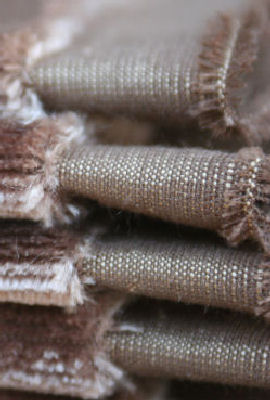
A-Z Glossary or Guide of fabric qualities
A
American Cotton
Cotton of medium fineness and medium staple length.
Alpaca Angora
Natural hair from the alpaca, or animal from which the fibre alpaca is obtained.
Angora
Hair fibre from the angora rabbit.
B
Batiste
Fine, soft,plain weave fabric. Originally linen, now other fibres, eg cotton.
Blend
Combination of two or more different fibres within the same yarn. This can be for cost, properties and/or appearance.
Birds-eye
Colour-and-weave effect where the pattern shows small, uniform spots. The reverse side of a flat jacquard weft knitted fabric where the yarns are arranged to show minimum amounts of each colour in an all-over pattern.
Bouclé yarn
Fancy yarn showing an irregular pattern of curls or loops.
Bourrelet
Non-jacquard double jersey weft knit structure made on an interlock basis showing horizontal ridges on the effect side.
Brocade
Figured woven jacquard fabric, usually multicoloured, much used for furnishings.
Buckram
Plain weave fabric, generally of linen or cotton, which is stiffened during finishing with fillers and starches. Uses include interlinings and bookbinding fabrics.
C
Calico
General term used for plain cotton fabrics heavier than muslin. These are usually left unbleached, area made in a variety of weights, and are often used for making toiles.
Cambric
Lightweight, closely woven, plain weave fabric, usually made from cotton or linen.
Canvas
Strong, firm, relatively heavy and rigid, generally plain woven cloth traditionally made from cotton, linen, hemp or jute.
Cavalry twill
Firm woven fabric with a steep twill showing double twill lines, traditionally used for riding breeches and jodphurs.
Chambray
Lightweight, plain weave cotton cloth with a dyed warp and a white weft.
Cheesecloth
Open, lightweight, plain weave fabric with a slightly crêpey appearance, usually made from carded cotton yarns with higher than average twist.
Chenille yarn
Fancy yarn produced by weaving a leno fabric and cutting into warp-way strips so that each strip forms the yarn, which has a velvety, caterpillar-like appearance.
Chiffon
Originally a very lightweight, sheer, plain weave fabric made from silk. Now can also be used to describe a similar fabric using other fibres.
Chiné yarn
Originally a 2-fold yarn, one black, one white, giving a regular two colour effect. Term now used to describe any 2-fold, two colour yarn.
Chintz
Closely woven, lustrous, plain weave cotton fabric, printed or plain, that has been friction calendered or glazed. Much used for curtainings and upholstery.
Coir
Natural vegetable fruit fibre from the coconut.
Colourway
One of several combinations of colours used for a particular fabric.
Corduroy
Wove, cut weft-pile fabric where the cut pile runs in vertical cords along the length of the fabric. A number of different types are found, ranging from pincord (very fine cords) to elephant cord (very broad cords).
Crepe
Fabric characterised by a crinkled or puckered surface, which can be produced by a number of methods. 1. woven fabric where short, irregular floats in warp and weft are arranged to give an all-over, random pattern within the weave repeat. 2. woven or knitted fabric where the crêpe characteristics are achieved mainly by the use of highly twisted yarns, which in finishing develop the crinkled, puckered appearance of a crêpe. 3. fabric where the crêpe effect is produced in finishing by treatment with embossing rollers, engraved with a crêpe pattern, which impart a crêpe effect onto the fabric through heat and pressure.
Crêpe de chine
Lightweight, plain weave crêpe fabric, made with highly twisted continuous filament yarns in the weft, alternating one S and one Z twist, and with normally twisted filament yarns in the warp. The crêpe effect is relatively unpronounced.
Crepe yarn
Spun or filament yarns that are very highly S or Z twisted used for the production of crepe fabrics.
D
Delaine
Lightweight, printed, all wool plain weave fabric.
Doupion (or Dupion)
Silk-breeding term meaning double cocoon, used to describe the irregular, raw rough silk reeled from double cocoons.
Drill
Woven twill fabric with a similar structure to denim, but usually piece-dyed.
E
Egyptian cotton
Type of cotton characterised by long, fine fibres.
G
Gauze
Lightweight, open-textured fabric made in plain weave a simple leno weave.
Georgette
Fine, lightweight, plain weave, crêpe fabric, usually having two highly twisted S and two highly twisted Z yarns alternately in both warp and weft.
H
Hopsack
Variation on plain weave, where two or more ends and picks weave as one. Sometimes called basket weave.
I
Indian cotton
Type of cotton characterised by relatively short, coarse fibres.
Interlining
Fabric used between the inner and outer layers of a garment to improve shape retention, strength, warmth or bulk. Interlinings may be woven, knitted or nonwoven, and can be produced with fusible adhesive on one surface.
J
Jacquard fabric
A fabric woven on a jacquard loom, where the patterning mechanism allows individual control on any interlacing of up to several hundred warp threads or a rib-based, double jersey weft-knit structure which shows a figure or design in a different colour or texture. Jacquard fabrics are sub-divided into flat-jacquard and blister fabrics.
Jersey
General term used for any knitted fabric.
Jute
Natural vegetable bast fibre, the plant from which the bast jute fibre is obtained.
K
Kemp
Coarse fibres present in varying amounts in wool fleece. Usually white, black or brown and can be used to give decorative effects in some wool fabrics.
Knickerbocker yarn
Fancy yarn characterised by random flecks or spots of differently coloured fibres.
L
Lawn
Fine, plain weave fabric, traditionally of cotton on linen.
Linen
Natural vegetable bast fibre obtained from the flax plant.
Lambswool
Wool from the fleeces of lambs (young sheep up to the age of weaning).
Lamé
A general name for fabrics where metallic threads are a conspicuous feature.
M
Maquisette
Square-hole, warp knitted net.
Merino Wool
Wool from the merino sheep, which produces the shortest and finest wool fibres.
Mohair
Natural animal hair fibre from the angora or mohair goat.
Moiré
Fabric which shows a moiré or wavy watermark pattern. This is produced by calendaring, usually on a fabric showing a rib or cord effect in the weft direction. The moiré effect can be achieved by embossing with a roller engraved with a moiré pattern, or by feeding two layers of fabric face to face through the calendar. the effect may be permanent or temporary depending on the fibres and the chemicals used.
Moquette
Firm, woven warp-pile fabric where the pile yarns are lifted over wires, which may or may not have knives. Withdrawal of the wires will give a cut or an uncut pile. Used for upholstery, particularly on public transport vehicles.
Mousseline
General term for very fine, semi-opaque fabrics, finer than muslins, made of silk, wool or cotton.
Muslin
Lightweight, open, plain or simple leno weave fabric, usually made of cotton.
N
Narrow Fabric
Any fabric that does not exceed 45 cms in width (in the UK). In the USA and Europe, the accepted upper width is 30 cms. Ribbons, tapes, braids and narrow laces are included in this category.
Natural Fibre
A textile fibre occuring in nature, which is animal, vegetable or mineral in origin.
New wool
Fibre from a sheep or lamb that has not previously been used. Alternative name for virgin wool.
Nylon
Man made synthetic polymer fibre. Alternative name for polyamide.
O
Organdie
Lightweight, plain weave transparent fabric, with a permanently stiff finish.
Organza
A sheer, lighweight, plain weave fabric, with a relatively firm drape and handle, traditionally made from the continuous filament of silk yarns. Now often made using other fibres.
P
Polyester
Man made synthetic polymer fibre.
Pure Silk
Silk in which there is no metallic or other weighting of any kind, except that which is an essential part of dyeing.
R
Raw Silk
Continuous filaments containing no twist, drawn off or reeled from cocoons. The filaments are unbleached, undyed and not degummed.
S
Sateen
Woven structure where the maximum amount of weft shows on the face. The smooth effect is enhanced by using filament yarns and/or lustrous fibres.
Satin
Woven structure where the maximum amount of warp shows on the face. The smooth effect is enhanced by using filament yarns and/or lustrous fibres.
Silk
Natural animal protein fibre obtained from the cocoons produced by silkworms.
Silk Noil
Very short silk fibres extracted during silk combing that are too short for producing spun silk. These fibres are usually spun into silk-noil yarns.
Slub yarn
Fancy yarn characterised by areas of thicker, loosely twisted yarn alternating with thinner, harder twisted areas.
Spun silk
Staple fibre silk yarn produced from silk waster which has been largely degummed.
Synthetic
Describes a substance which has been manufactured by building up a complex structure from simpler chemical substances.
T
Taffeta
Plain weave, closely woven, smooth, crisp fabric with a slight weftways rib, originally made from continuous filament silk yarns. Now often made using other fibres.
Terry-Towelling
A woven warp-pile fabric where the loops are formed by applying a high tension to the ground warp and a very low tension to the pile warp. Beating-up does not occur on every pick, so that when a pick is beaten-up it causes the other picks to be moved into the main body of the cloth, at the same time forming the pile loops on the face and back of the cloth.
Thrown Silk
Yarn twisted from continuous filament silk.
V
Velour
Cut pile weft or warp knitted fabric.
Velvet
Cut warp-pile fabric, in which the cut fibrous ends of the yarns from the surface of the fabric. Many effects are possible, e.g. the pile may be left erect, or it may be laid in one direction during finishing to give a very high lustre.
Viscose
Man made natural polymer regenerated cellulose fibre.
Voile
Plain weave, semi-sheer, lightweight fabric made with fine, fairly highly twisted yarns. Originally made from cotton, now other fibres are sometimes used.
W
Wadding
Lofty sheet of fibres used for padding, stuffing or packing.
Wet spun
Describes man made filaments produced by wet spinning, where the dissolved polymer is converted into filaments by extrusion through the spinneret into a coagulating bath of chemicals, causing the filaments to solidify.
Source Credit: R Haworth


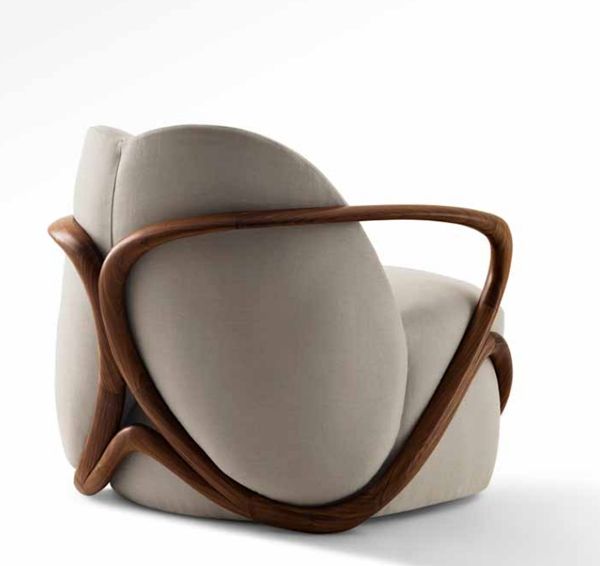

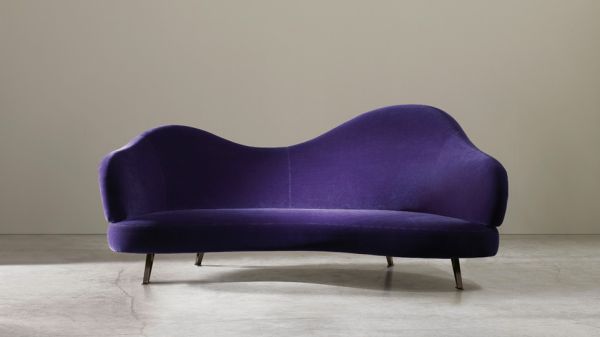 Hotels, Yachts and many public places have strict requirements for fabrics both for fire retardancy and wear, usually measured in the UK by an abrasion test (commonly referred to as Martindale or ‘rub test’). Some of KOTHEA’s Mohair Velvets are highly suitable in such environments with a certified Martindale of 100,000 – which is more than the usual contract requirement of between 20,000 – 30,000.

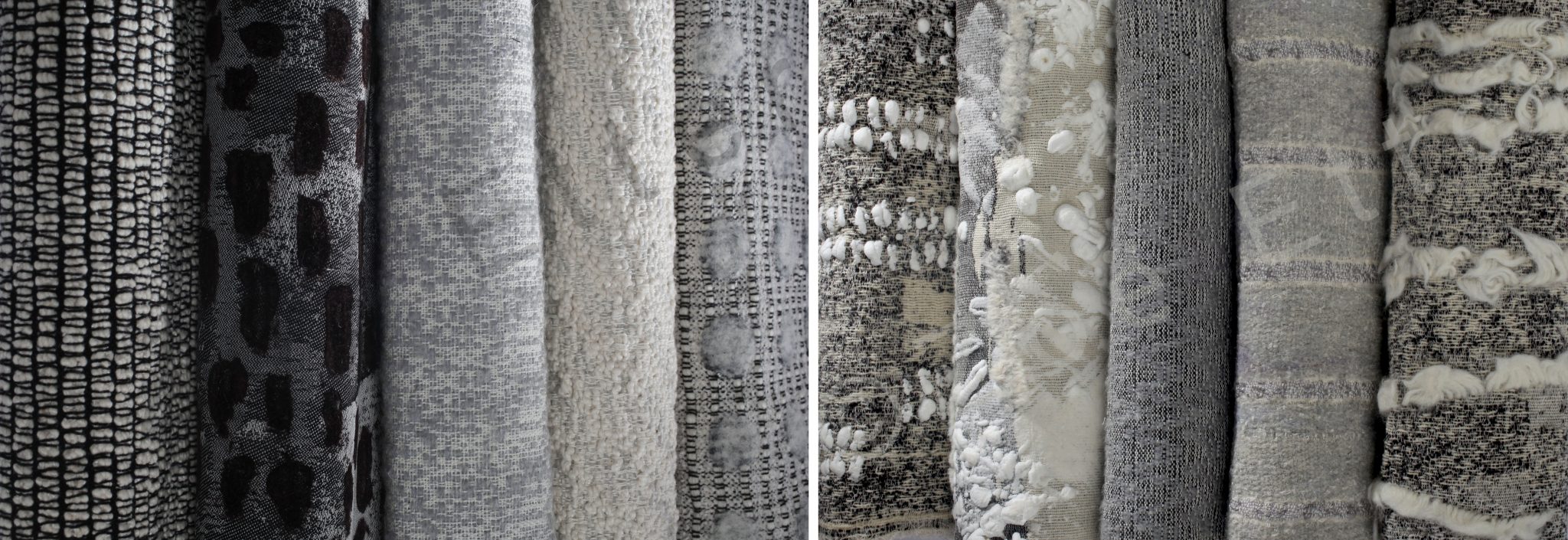 Up-and-coming Fabric Designer,
 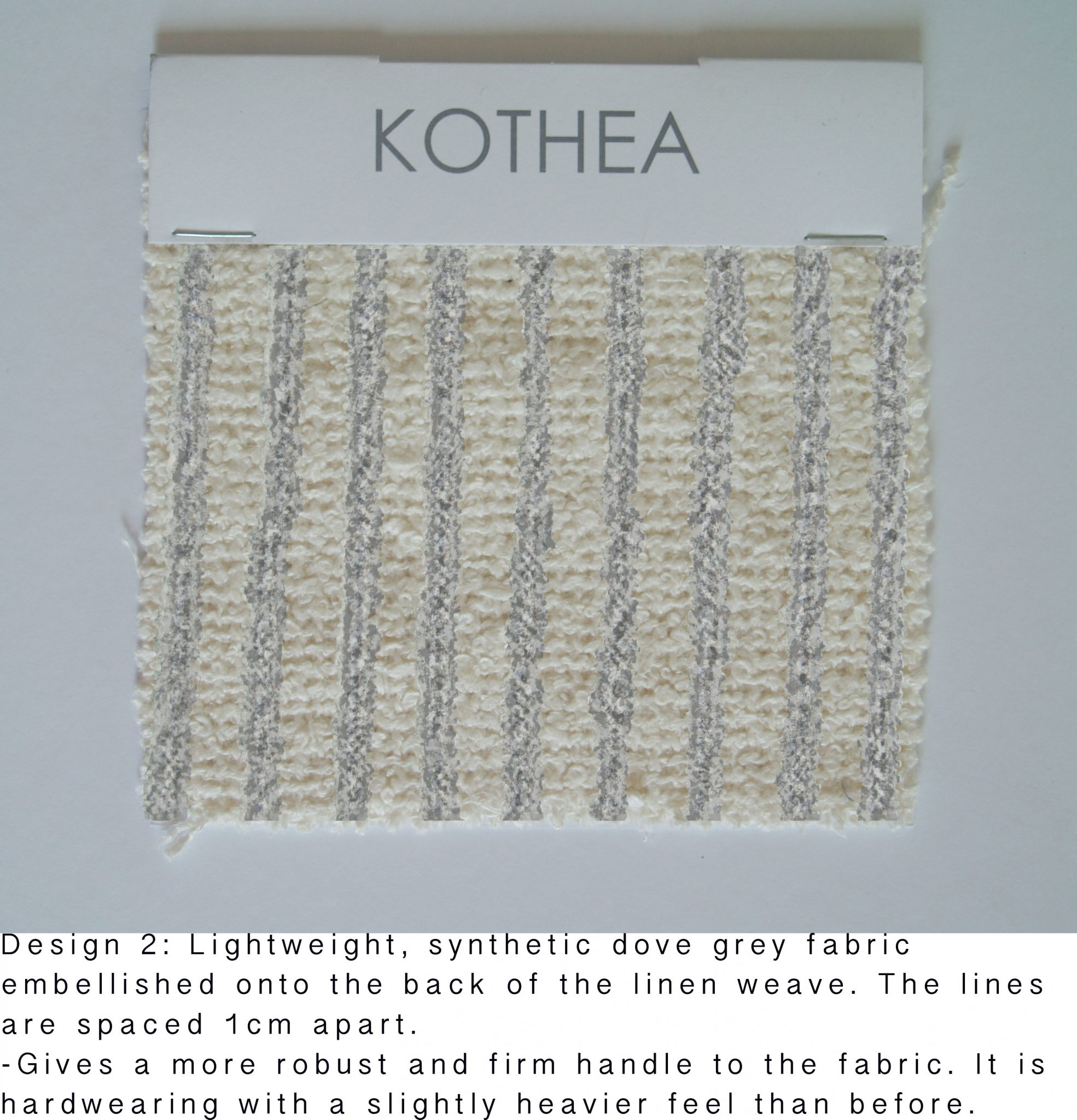 The refined designs are aimed at clients who want a simple, durable style that is visually effective. The soft colourways combined with the rich textures offers flexibility for a statement upholstery that is classic in style with a modern edge. Most suitable for chairs and soft furnishings, the fabrics’ 3D look is inviting, and remains comfortable whilst giving a luxurious feel.
 .
.



 A-Z Glossary or Guide of fabric qualities