

For a complete guide to fabric care symbols and upholstery cleaning codes including what W, S, WS, and X mean for velvet upholstery, see: Fabric Care Symbols and Cleaning Codes: A Guide for Interior Designers and Specifiers.
How to Maintain and Clean Mohair Velvets
Mohair velvet can be difficult to clean. If you are in any doubt, contact a professional cleaner. The following information is provided as a guide only and is not a formal recommendation by KOTHEA.
As with many fabrics, prevention is the best cure. A regularly cleaned velvet will last longer. Routine care should consist of brushing with a firm clothes brush and regular vacuuming. Expert professional cleaning approximately every five years is advisable as part of a longer-term maintenance regime.
Removing Stains
Serious stains should always be removed by a professional. Never attempt to treat them yourself.
Minor stains can sometimes be removed, but always test any cleaning method on a small inconspicuous area first.
For fresh stains that have not dried, use an absorbent, dampened, lint-free cloth. Do not use a coloured cloth as the dye may transfer into the velvet. If water alone does not work, try a diluted upholstery shampoo applied carefully following the manufacturer’s instructions. Rub very gently, finishing in the direction of the pile. Remove all chemical residue afterwards.
Do not use the fabric again until it is thoroughly dry.
Dealing with Wear and Tear
A regular cleaning regime is essential for velvets. Without it, the fabric can show premature wear, most visibly on regularly used areas of sofas and chairs. Frequent movement on velvet pile pushes the pile in different directions, which can eventually cause matting. When pile lies in different directions the shade of the fabric can appear to change. This is a natural property of the fabric and is made worse by excess heat or humidity.
Mohair velvets generally take and hold colour well and typically achieve high Martindale rub test scores, making them among the more durable natural-fibre velvets available for upholstery.
On clean fabric only, the following may help restore the pile: apply a clean, lightly dampened cloth and leave for ten hours, then remove and allow the fabric to dry naturally for ten hours in a well-ventilated room. Use only pure or distilled water. Never wet or soak the cloth or the fabric.
Request Samples
Order cutting samples of any fabric from our current collections. Trade accounts only.
Order CuttingsOur Collections
Mohair Velvet Faux Leather Cashmere Throws Silks Linen Textured Upholstery
Specification Guides
Buying Guide by Purpose Crib 5 Fire Guide Martindale Rub Test BS 5867 Curtains Marine Fabric


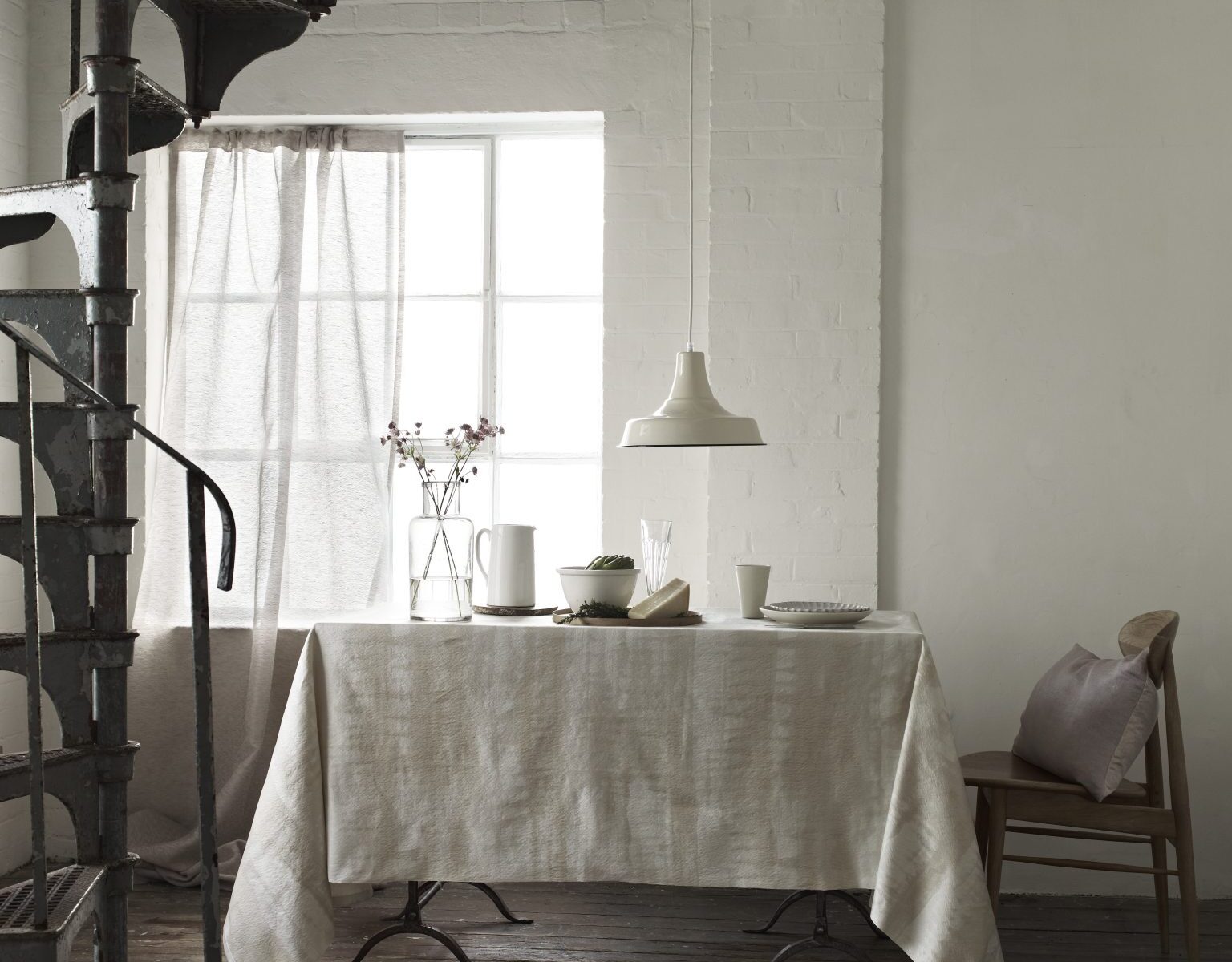




 Until recently the finest linen was made exclusively in Western Europe. Whilst many of those producers still exist, much production has been shifted to the Far East. At KOTHEA, we endeavour to use European linen partly for sentimental reasons as we love the fabrics our mills have continued to deliver to us but also becuase the enviornmental impact of them is good and the quality fantastic.
 Your beautiful cotton shirt or luxurious cotton curtains may hide an environmental time bomb.