When Not to Use Velvet — and What to Specify Instead

Black mohair velvet upholstery on a regal chair

When Not to Use Velvet — and What to Specify Instead

Velvet fails fastest in: High-UV environments, wet or humid conditions, applications requiring water-based cleaning, tight upholstery with sharp frame edges.
The most common misspecification: Cotton or synthetic velvet in a contract environment without Crib 5 certification, or any velvet in an outdoor or semi-outdoor setting.
What this guide covers: The specific applications and conditions where velvet is the wrong choice and what to specify instead for each scenario.

Velvet is one of the most commercially significant upholstery fabrics in the UK interior design market. It also generates more specification failures than almost any other fabric type. The failures are not caused by velvet being an inferior product — at its best, contract mohair velvet is among the most technically capable upholstery fabrics available. They are caused by velvet being specified in conditions for which it is structurally unsuitable. This guide is a frank account of when not to use velvet and what to choose instead.

For comparative performance data of different velvet types, see our velvet types compared guide.


Outdoor and Semi-Outdoor Environments

No natural-fibre velvet — mohair, cotton, linen, silk, cashmere — is suitable for outdoor or semi-outdoor use. The pile structure of velvet traps and retains moisture, which in outdoor conditions accelerates mould and mildew growth within the pile. UV exposure degrades natural fibre dyes at a much faster rate on outdoor velvet because the pile structure increases the surface area exposed to UV radiation relative to the fabric weight.

Semi-outdoor applications — covered terraces, glazed atriums with opening panels, poolside seating under a canopy — are equally problematic. The combination of occasional direct moisture exposure and sustained UV transmission produces conditions that natural-fibre velvet cannot tolerate.

Specify instead: Solution-dyed acrylic, high-specification outdoor polyester, or marine-grade PVC faux leather with UV stabilisers. See our IMO marine standards guide for marine and outdoor fabric guidance.


High-Humidity Environments

Velvet in sustained high-humidity conditions — spa changing rooms, pool surrounds, steam room lobbies — absorbs atmospheric moisture and does not dry quickly due to the density of the pile. Retained moisture in the pile base creates conditions for mould growth and accelerates deterioration of the backing structure.

Specify instead: PVC or silicone faux leather, both of which are non-absorbent and can be wiped dry. See our faux leather types compared guide.


Applications Requiring Regular Water-Based Cleaning

Most velvet carries a cleaning code of S — solvent-based dry cleaning only. Water applied to S-coded velvet causes watermarks and pile distortion that may be permanent. In any environment where the cleaning team applies water-based products to upholstered surfaces as standard — hotel bedrooms on standard cleaning schedules, restaurant seating cleaned between services with damp cloths, healthcare environments requiring wet disinfection — S-coded velvet is incompatible with the operational reality.

This is the most common operational failure with velvet in hospitality environments. The fabric is specified, installed, and cleaned incorrectly within the first week.

Specify instead: Confirm whether the specific velvet range carries a WS code rather than S. If water-based cleaning is unavoidable throughout the scheme, specify PVC faux leather for those positions and use velvet in areas — headboards, decorative cushions, low-use occasional seating — where the cleaning regime can be controlled.


South-Facing Rooms and High-Light Environments

Velvet in pale colourways in south-facing rooms will show fading faster than an equivalent flat-woven fabric. The pile structure presents a larger surface area to light than a flat weave of the same fibre and weight, accelerating photodegradation of the dye. For guidance on light fastness ratings and room orientation, see our light fastness and Blue Wool Scale guide.

Specify instead: Confirm the ISO 105-B02 grade for the specific colourway before ordering. For very high-light conditions, specify dark mohair velvet colourways or move to a flat-woven fabric in a light-fast colourway for the most exposed positions.


Tight Upholstery Over Sharp Frame Edges

Velvet pile is vulnerable at points where the fabric is pulled tightly over sharp frame edges — the corners of seat pads, the edges of dining chair backs. At these points the pile is subjected to sustained localised tension that gradually pulls fibres from the pile base, causing thinning and eventually pile loss. When specifying velvet for an upholstery project, ensure the furniture specification calls for appropriately softened frame edges at all contact points.

Specify instead: For furniture with unavoidably sharp frame edges, specify a flat-woven fabric in a comparable colour and weight. The absence of pile eliminates the pile-loss risk at edges entirely.


Healthcare Environments Requiring Disinfectant Cleaning

Healthcare environments use cleaning products — hypochlorite bleach solutions, quaternary ammonium compounds, alcohol-based disinfectants — that are incompatible with the cleaning codes of most velvet fabrics. The pile structure traps contaminants and cannot be cleaned to clinical standards.

Specify instead: Silicone leather for patient-contact seating in clinical environments. For full guidance, see our fabric for healthcare environments guide.


Budget-Constrained Projects Where Velvet Requires FR Treatment

Cotton, linen, and synthetic velvets that do not carry an inherent Crib 5 certification require FR treatment for contract use. The treatment adds cost, programme time, and introduces dye interaction risks in certain colourways. For a budget-constrained project, the total cost including treatment may exceed the cost of an alternative with inherent certification. See our dye types and FR treatment guide for the specific risks.

Specify instead: Mohair velvet with independently certified Crib 5 achieved without topical treatment eliminates the treatment cost, programme time, and dye risk entirely.


Frequently Asked Questions

Can velvet be used outdoors?

No natural-fibre velvet is suitable for outdoor or semi-outdoor use. The pile structure retains moisture and the fibres degrade rapidly under UV exposure. For outdoor or covered terrace seating, specify solution-dyed acrylic or marine-grade PVC faux leather engineered for outdoor conditions.

Why does velvet watermark?

Water applied to velvet causes individual pile fibres to mat together in the wetted area as surface tension pulls fibres toward the water droplet. When the water evaporates, the fibres dry in this distorted position. The resulting mark is permanent in most natural-fibre velvets once dried. This is why most velvet carries a cleaning code of S.

Is any velvet suitable for areas that need water-based cleaning?

Some synthetic velvets carry a W or WS cleaning code and can be spot-cleaned with water-based products. Confirm the cleaning code on the specific range data sheet before specifying and test compatibility with the specific cleaning product before installation. No natural-fibre velvet should be specified where water-based cleaning will be applied routinely.

When is velvet the right choice despite its limitations?

Velvet is the right choice when its specific combination of properties — tactile quality, depth of colour, inherent Crib 5 for mohair, high Martindale count, and visual character — aligns with the project requirements and the operational environment is compatible with its care requirements. Hotel lobby seating, restaurant banquettes in dry controlled environments, residential sofas, headboards, cushions, and curtains in appropriate light conditions are all applications where correctly specified velvet performs excellently.


For velvet types and comparative performance, see our velvet types compared guide. For hotel velvet specification, see our hotel fabric specification guide. For alternatives in high-cleaning environments, see our faux leather types compared guide.

Request Samples

Order cutting samples of any fabric from our current collections. Trade accounts only.

Order Cuttings

Faux Leather For Flooring

Cream Faux Leather Upholstery
Black Faux Leather Upholstery

KOTHEA was asked if Faux Leather could be used as flooring. We have experience of putting faux leather just about on any surface: in yachts, in hotels, in villas, on doors, on walls, on bars and of course on furniture. But sadly no experience with floors.

Some of the faux leathers/faux skins we sell have a Martindale / Rub test of over 100,000. This is suitable for HEAVY/CONTRACT upholstery. However to extrapolate that to even light use flooring is risky. The rub test mimics more the action of sitting rather than being walked upon. The forces exerted by walking, running and carrying things on faux leather would be much more than in seating areas. This would be further complicated by the adhesive which would have to be both perfectly bonded throughout the entire area in contact with the floor (possible) and the adhesive would have to be strong (possible).

Having said that I have a sneaky feeling that it is possible in reasonably low traffic areas. After all it is possible to buy leather tiles. Perhaps also the covering applied after laying can improve stability and durability. If you would like me to give a more definitive response on this issue please leave a comment.

Knit Back Fabric Backing

Image via Wikipedia

Some fabrics can be too fragile for use as upholstery unless knit backed. Knit backing is a process whereby, for example, a cotton polyester backing is applied to a lighter weight chenille, silk or cotton.

Essentially the fabric‘s life is increased with better durability and resilience. The handling characteristics of the fabric can be improved; and knit backing also helps prevent seam slippage.

The same principle applies for the fabric whether or not it is to be used for either upholstery or wall covering. There will certainly be other requirements for contract usage, say, in hotels and aviation and also other treatments like fire retardancy or stain protection would be required for contract upholstery.

Fabric Treatment Companies – FR Flameproofing

We are often asked to recommend fabric treatment companies for flame retarding in contract installations. Most treatment companies offer other services such as; back coating fabric for walls and stain resistance/repellency. There are several such companies in the UK and at various times we have used all of the following:

Essex Flameproofing,

Textiles FR, and

TEK Treatments

Just click the company name to take you to their web site. Please feel free to add comments to this posting recommending any suppliers you have used but any negative comments about other companies are not permitted on this site. Thank you.

Shimmering Upholstery

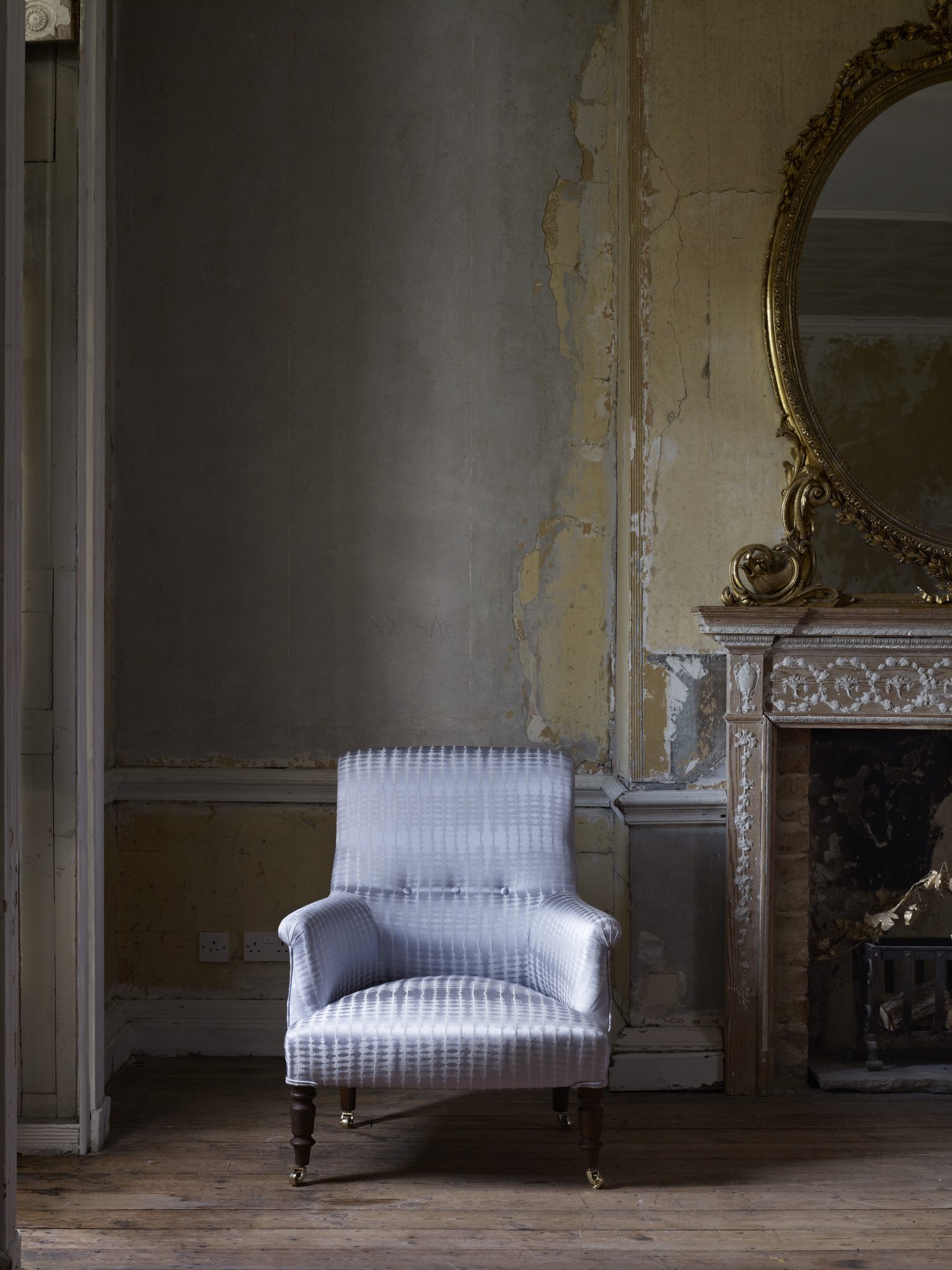
White Textured Upholstery on Contemporary Chair


New for Spring 2015, striking and shimmering design beautifully upholstered on an occasional chair.

Cushions

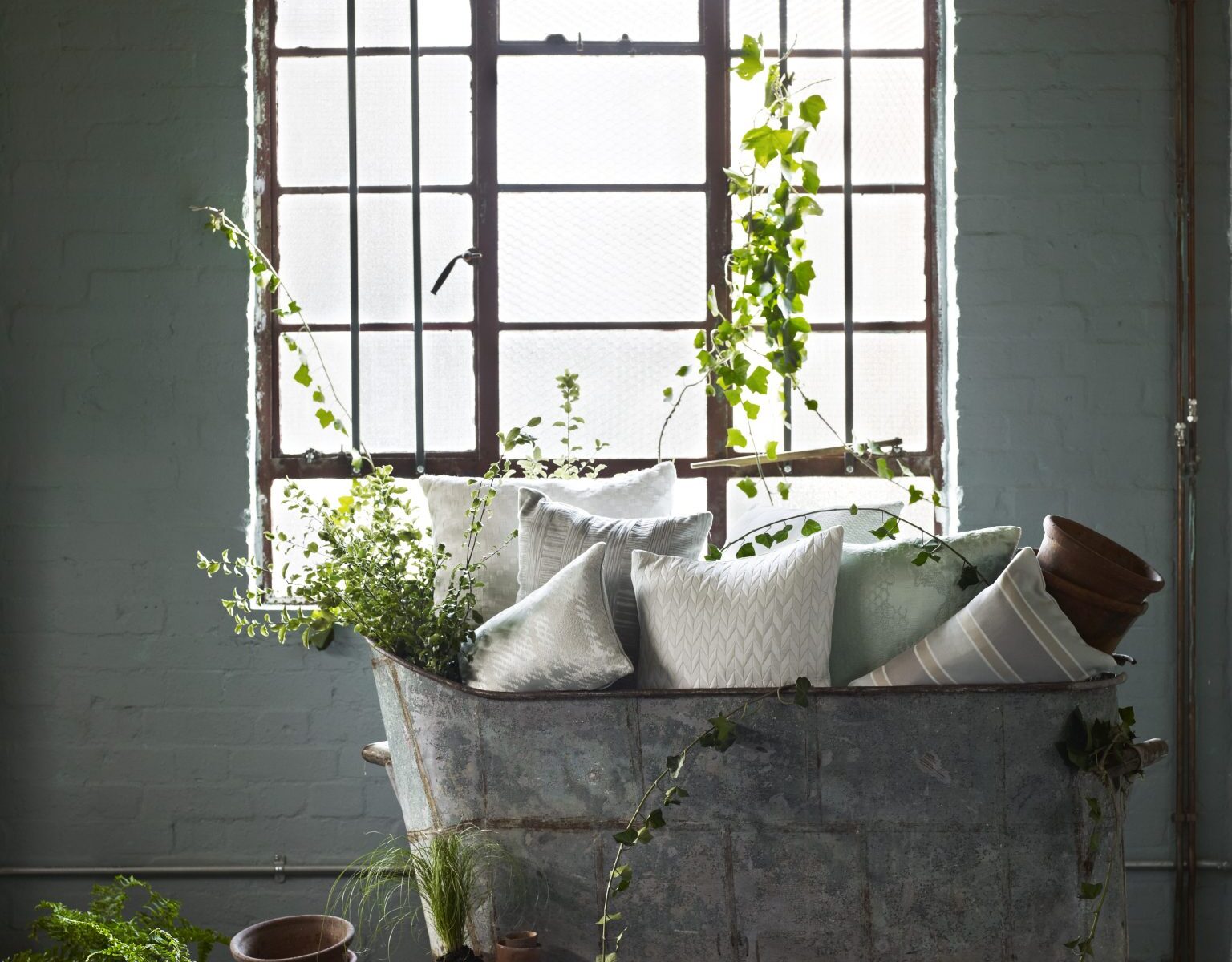
Cushions for textured upholstery sofas

When your sofa is full up the obvious place to put your spare cushions is in that bath tub in the corner of your lounge. We have several new Spring 2015 collections waiting to hit the sewing machines of London.

What is Mohair Velvet?

Mohair Velvet Upholstery

Mohair velvet is a fabric ideally suited for upholstery. The mohair wool from which it is made is 100% natural and is inherently fire retardant, usually to contract (hotel) standards. It is also typically hard-wearing, making it suitable for a busy home, a home cinema, a restaurant, or a hotel.

Mohair wool comes from a goat. Other natural wools from alpaca or sheep have similar properties. Mohair velvet is simply the most widely known for upholstery use. Cotton, linen, and silk are all natural fibres that can be made into velvets. Man-made fibres such as Trevira, viscose, and nylon can also be made into velvets, either alone or mixed with natural fibres.

For full specification data including Martindale rub counts and inherent Crib 5 fire ratings across the Kothea mohair velvet range, see the mohair velvet upholstery page.

Request Samples

Order cutting samples of any fabric from our current collections. Trade accounts only.

Order Cuttings

Textile Pinking Machines

For the emergency fabric samples that we sometimes have to make when we are out of stock of samples we use the GOLDSTAR pinking machine. Here’s a quick youtube video from the manufacturer

And here is another one that looks a bit more industrial strength.