Pilling Resistance in Upholstery Fabric: A Guide for Interior Designers

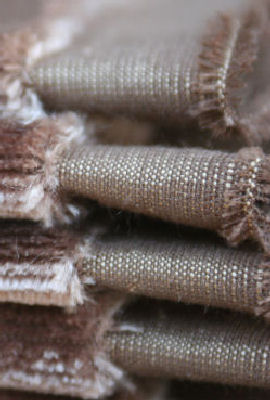
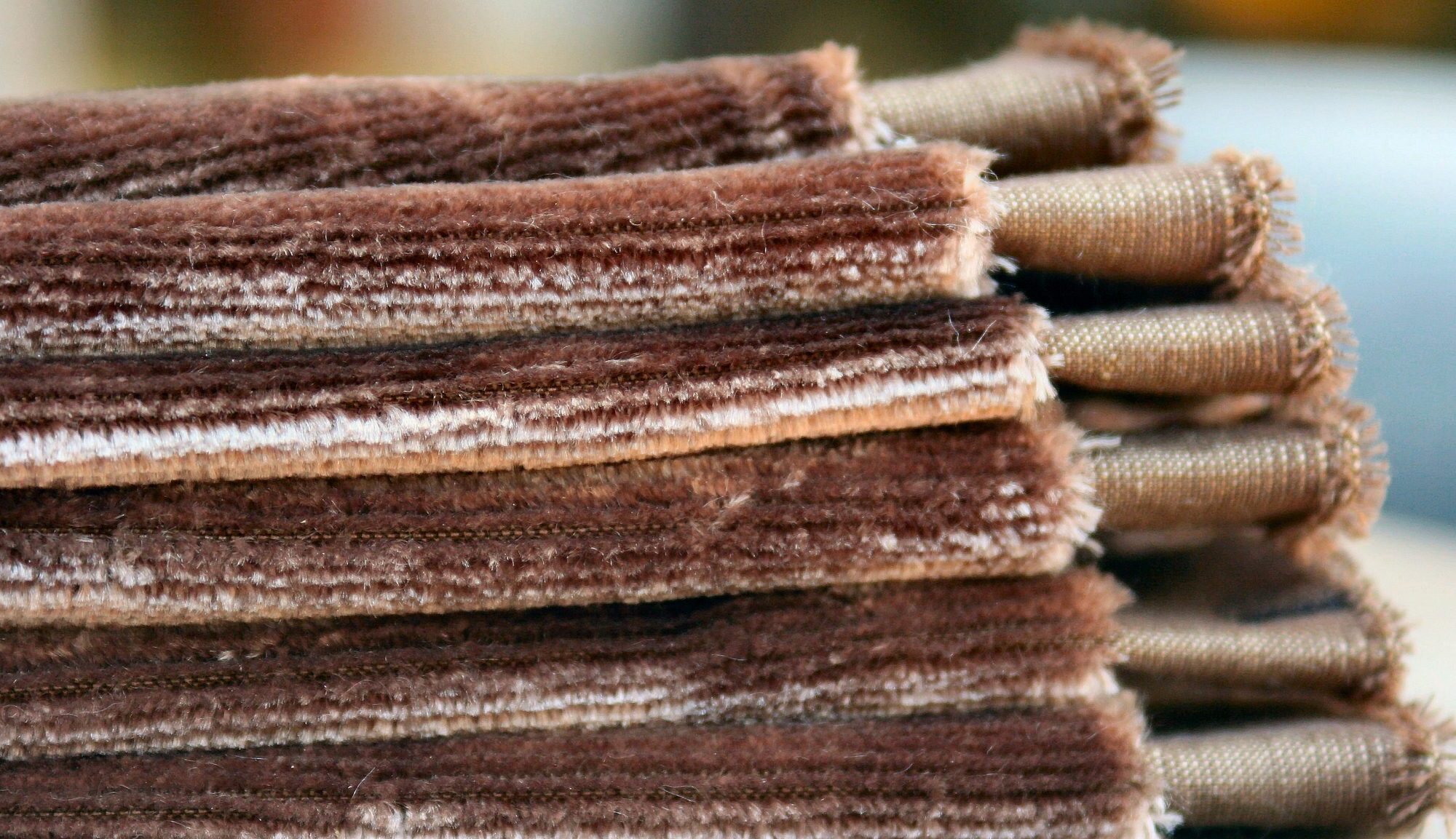
Silk Velvet Upholstery Mohair

Pilling Resistance in Upholstery Fabric: A Guide for Interior Designers

What pilling is: Small balls of tangled fibre that form on the fabric surface through friction and use, altering appearance even when the fabric remains structurally intact.
The test: ISO 12945-2 Martindale pilling test, graded 1 to 5. Grade 5 is no change. Grade 4 is slight surface fuzzing. Grade 3 is moderate pilling. Contract minimum is grade 4.
Highest pilling risk: Short-staple fibre blends, loosely twisted yarns, natural-synthetic blends.
Lowest pilling risk: Long-staple natural fibres, tightly twisted yarns, high-density weaves, mohair velvet.

A fabric can achieve 80,000 Martindale rubs and still pill badly. Abrasion resistance and pilling resistance are distinct properties measured by different tests. A fabric that resists structural wear may nevertheless develop an unsightly surface of small fibre balls within months of use, fundamentally altering its appearance without any yarn breaking. For pile fabrics in particular, pilling can destroy the visual quality of a fabric long before its structural integrity is compromised. This guide explains what causes pilling, how it is tested, which fabrics carry the highest and lowest risk, and what to specify to avoid problems in contract use.

For abrasion resistance and Martindale rub counts, see our Martindale rub test guide. For velvet types and their performance characteristics, see our velvet types compared guide.


What Causes Pilling

Pilling begins when individual fibres work free from the yarn structure through friction and mechanical stress. Loose fibre ends at the surface of the fabric are caught by adjacent surfaces and tangled together into small balls. These balls remain attached to the fabric by the fibres still anchored within the yarn, which is why they do not simply fall off. The ball continues to grow as more loose fibres are captured and incorporated into it.

The size and tenacity of pills varies by fibre type. Natural fibres produce pills that are relatively fragile and may eventually detach from the fabric surface through continued friction. Synthetic fibres produce pills that are anchored by stronger fibres that do not break under continued use. The pills grow, persist, and resist removal. This is why fabrics containing synthetic fibres often pill more visibly and permanently than pure natural-fibre fabrics.

Blended fabrics often pill worst of all. The short, weak natural fibres break loose from the yarn easily, producing the loose ends that form pill nuclei. The stronger synthetic fibres then anchor the pills to the fabric surface, preventing them from detaching. The result is persistent, anchored pills formed from natural fibre content but held in place by synthetic fibre anchors.


The Pilling Test: ISO 12945-2

Pilling resistance is tested to ISO 12945-2 using the Martindale machine with a different abradant. For pilling assessment, the fabric sample is rubbed against itself rather than against a worsted wool abradant. The machine runs for a defined number of cycles and the sample is then assessed visually against reference photographs and graded on a scale of 1 to 5.

Grade 5 indicates no change. Grade 4 indicates slight surface fuzzing or early-stage pilling, barely visible in normal viewing conditions. Grade 3 indicates moderate pilling, noticeable in normal use. Grade 2 indicates distinct pilling. Grade 1 indicates severe, dense pilling across the whole surface.

The test is typically run at 125, 500, 1000, and 2000 cycles. A fabric assessed at 2000 cycles with a grade of 4 or above is considered acceptable for contract upholstery use. The contract minimum is grade 4. A fabric achieving grade 3 at 2000 cycles will show noticeable pilling in use and is not appropriate for contract seating applications regardless of its Martindale abrasion count.


Fibre Types and Pilling Risk

Mohair. Lowest pilling risk of all natural-fibre velvets. The long-staple mohair fibre has fewer free ends per unit length of yarn than short-staple fibres. Fewer free ends means fewer pill nuclei. The smooth surface of the mohair fibre also means that free ends slide rather than tangle, reducing the rate of pill formation. Mohair velvet in contract grades typically achieves grade 4 to 5 at 2000 cycles.

Wool. Low to moderate pilling risk depending on fibre length and yarn construction. Merino wool pills less than coarser short-staple wool. Tightly spun wool yarns pill less than loosely spun yarns of the same fibre.

Cotton. Moderate pilling risk. Short-staple cotton varieties pill more than long-staple varieties such as Egyptian or Pima cotton. Cotton velvet is more susceptible to pilling than mohair velvet because cotton fibres are shorter and the pile construction exposes more free ends per unit area.

Linen. Low pilling risk. Linen is a long-staple bast fibre. The fibre length and relatively smooth surface reduce pill formation compared to cotton.

Polyester. High pilling persistence if it pills at all. Synthetic fibres anchor pills rather than allowing them to detach. When pills do form they are tenacious.

Natural-synthetic blends. Highest pilling risk in practice. Specifying blends for contract upholstery requires specific pilling grade confirmation, not just Martindale abrasion data.


Construction Factors That Affect Pilling

Yarn twist affects pilling directly. A high-twist yarn locks fibres into the yarn structure more firmly, reducing the number of free ends exposed at the surface. A low-twist yarn allows fibres to work free more easily. Two fabrics of the same fibre and weight can have very different pilling grades depending on the yarn construction.

Weave density affects pilling by controlling the movement of yarns at the fabric surface. A tight, dense weave restricts yarn movement and reduces the abrasion between adjacent yarns that generates free fibre ends.

Pile construction in velvet affects pilling through pile height and density. A short, dense pile has fewer exposed free ends per unit area than a long, open pile of the same fibre. Contract-grade velvet is typically specified with a denser, shorter pile than residential velvet partly for this reason.


Pilling in Use: What Clients Experience

Pilling in upholstery is most visible in areas of sustained friction — seat cushions where clothing rubs against the fabric, and armrests. In a hotel or restaurant environment, denim in particular is highly abrasive and accelerates pilling. Pilling is not repairable in the way that surface staining can sometimes be treated. A pilled fabric requires either mechanical depilling — a temporary intervention — or replacement. Brief clients on pilling risk at the point of specification, particularly for natural-fibre pile fabrics in contract environments.


Frequently Asked Questions

What is the difference between pilling and abrasion?

Abrasion is the physical wearing away of yarn structure through friction, measured by Martindale rub count. Pilling is the formation of surface fibre balls through the tangling of loose fibre ends, measured separately by ISO 12945-2. A fabric can have a very high Martindale abrasion count and still pill badly. Both should be confirmed before specifying a fabric for contract use.

What pilling grade should I specify for contract upholstery?

Grade 4 minimum to ISO 12945-2 at 2000 cycles. For high-traffic environments, grade 4 to 5 is a more defensible specification. Always confirm the grade for the specific colourway being ordered, as pilling grades can vary between colourways in the same range.

Does mohair velvet pill?

Mohair velvet has the lowest pilling risk of any natural-fibre velvet due to the long staple length and smooth surface of the mohair fibre. Contract-grade mohair velvet typically achieves grade 4 to 5 at 2000 cycles. It is the most pill-resistant natural-fibre velvet available for contract upholstery.

Why do natural-synthetic blend fabrics pill so badly?

Natural-synthetic blends combine the pill-forming tendency of short natural fibres with the pill-anchoring strength of synthetic fibres. The result is persistent, anchored pills that grow with continued use. Blended fabrics for contract use require specific pilling grade confirmation before specifying.


For abrasion test method differences between Martindale and Wyzenbeek, see our Wyzenbeek vs Martindale guide.

For abrasion resistance, see our Martindale rub test guide. For velvet types and contract suitability, see our velvet types compared guide.

Request Samples

Order cutting samples of any fabric from our current collections. Trade accounts only.

Order Cuttings

Colour Fastness and Crocking: Specifier’s Guide for Interior Designers

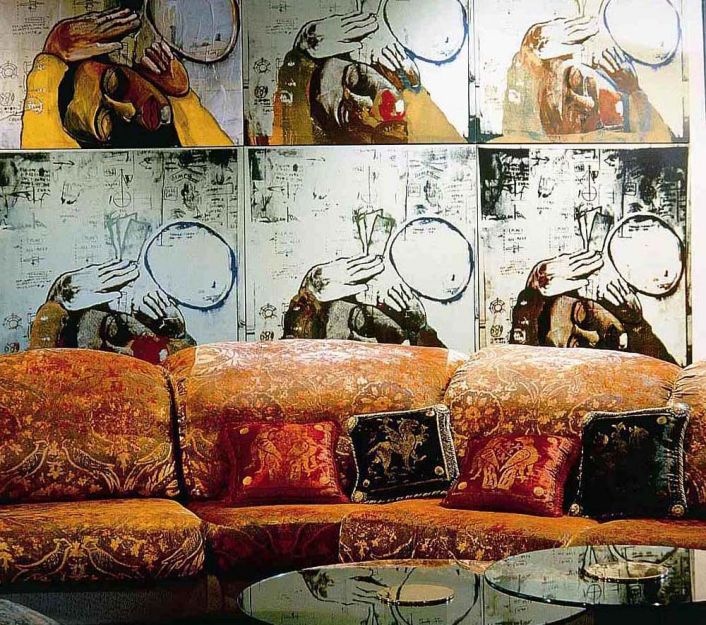
Orange, Black and red colourful velvets

Colour Fastness and Crocking: A Specifier’s Guide for Interior Designers

Crocking grade minimum for contract upholstery: Grade 4 dry / Grade 3 wet (ISO 105-X12 grey scale)
Light fastness minimum for contract interiors: ISO 105-B02 grade 5 — grade 6 for south-facing or high-light environments
Highest crocking risk: Dark colourways, velvet pile fabrics, deeply saturated reds and navies
Reverse crocking risk: New denim, dark throw cushions, and clothing transferring dye onto light upholstery

Colour fastness describes how well a fabric retains its colour when exposed to the agents most likely to cause change: light, rubbing, cleaning, and moisture. Crocking is a specific type of colour fastness failure in which excess dye transfers from one surface to another through friction. Both are routine specification criteria for contract fabric but are consistently underspecified in residential projects, which is where most complaints about colour change and dye transfer originate.

This guide explains the two tests that matter most — ISO 105-B02 for light fastness and ISO 105-X12 for crocking — how to read the grades, which fabrics and colourways carry the highest risk, and what to specify to avoid problems in use. For colour naming, systems, and metamerism — why the same colour looks different in different light — see our colour naming and specification guide. For light fastness guidance specific to room orientation and project environment, see our complete guide to light fastness and the Blue Wool Scale. For dye types and their interaction with FR treatment, see our post on dye types and FR treatment compatibility.


The Two Tests That Matter

Colour fastness is not a single test. It is a family of tests under the ISO 105 series, each measuring resistance to a specific agent. For interior fabric specification, two tests are routinely relevant and should appear on every contract fabric data sheet.

ISO 105-B02: Colour fastness to light. This test measures how resistant a fabric’s colour is to degradation by light. A xenon arc lamp simulates sunlight and the fabric is exposed for a controlled duration. The result is graded against the Blue Wool Scale from 1 to 8, where grade 1 indicates very poor light fastness and grade 8 indicates the highest possible resistance. For a full explanation of this test and the Blue Wool Scale, see our light fastness guide.

ISO 105-X12: Colour fastness to rubbing (crocking). This test measures how much dye transfers from a fabric onto other surfaces through friction. The fabric is rubbed with a standardised white cloth using a crockmeter — a machine that applies controlled pressure and movement — under both dry and wet conditions. The degree of staining on the white cloth is assessed using the grey scale for staining, graded from 1 to 5. Grade 5 indicates no staining. Grade 1 indicates severe staining. Most contract specifications require a minimum of grade 4 for dry rubbing and grade 3 for wet rubbing.


Understanding Crocking

Crocking occurs when dye that has not fully bonded to the fabric fibre transfers onto another surface through friction. Every dyed fabric contains some proportion of unfixed dye after manufacture. The degree of crocking depends on the dye class used, the dyeing process, the fibre type, and whether the fabric has been adequately washed and finished after dyeing to remove surplus dye.

Dry crocking is caused by mechanical abrasion alone. A fabric in good condition and correctly dyed will typically achieve a better dry crocking grade than wet. Wet crocking occurs when moisture is present — from perspiration, cleaning, or humidity — and is almost always worse than dry crocking because water molecules help loosen dye and carry it to the adjacent surface. This is why a fabric that appears stable in dry conditions can transfer colour noticeably on a humid day or after light spillage.

The fabrics most susceptible to crocking are those with rough or open pile surfaces, dark saturated colourways, and fibres that are difficult to dye with strong molecular bonds. Velvet is the most relevant category for interior designers. The pile surface of velvet creates more friction points than a flat-woven fabric and dye at the pile tips is more exposed to contact than dye within the body of a woven yarn. Dark velvet colourways — deep navy, rich red, dark green, charcoal — are dyed with higher concentrations of pigment and carry greater crocking risk than pale or mid-tone colourways of the same fabric.

Denim is the most commonly cited source of reverse crocking onto upholstery. New denim is typically dyed with indigo, which physically lodges within the fibre structure rather than forming a covalent bond. Indigo is easily dislodged by friction and moisture and will transfer readily onto light-coloured upholstery, particularly in warm or humid conditions. In a hotel or hospitality environment this is commercially significant: a guest in new jeans sitting on a pale upholstered chair can leave a visible mark within a single visit.


Crocking Grades: What They Mean in Practice

Grade 5: No staining. No dye transfers to the rubbing cloth. Rarely achieved by dark saturated colourways on pile fabrics.

Grade 4: Slight staining. A small amount of dye transfers but is barely visible. The minimum acceptable grade for dry crocking in most contract specifications.

Grade 3: Moderate staining. Visible dye transfer that would be noticeable in use. The minimum acceptable grade for wet crocking in most contract specifications. Grade 3 dry would indicate elevated crocking risk and should prompt discussion with the supplier before specifying for high-contact applications.

Grade 2: Significant staining. Noticeable colour transfer likely in use. Not acceptable for contract upholstery. May be flagged as acceptable for cushion or decorative applications only.

Grade 1: Severe staining. The fabric will visibly transfer colour in normal use. Not acceptable for any upholstery application.

The accepted industry minimum for contract upholstery fabrics is grade 4 dry and grade 3 wet. For hotel and hospitality environments where guests wear a wide range of clothing and the fabric is cleaned frequently, specifying grade 4 for both dry and wet provides better protection. Always confirm both grades — dry and wet — before specifying, as some suppliers report only the dry grade.


Crocking and Velvet: Specific Considerations

Velvet requires particular attention in crocking specification for two reasons. First, the pile structure creates more contact surface than a flat-woven fabric, increasing the potential for dye transfer in use. Second, velvet in dark colourways is dyed with higher pigment concentrations to achieve the depth of colour that makes dark velvet visually distinctive. The combination of pile structure and high pigment load means that dark velvets consistently achieve lower crocking grades than the same fabric in pale colourways.

This does not mean dark velvet cannot be specified for contract use. Mohair velvet in particular achieves good colour fastness due to the natural receptivity of the mohair fibre to acid dyes and the strong molecular bonds those dyes form with protein fibres. A well-dyed dark mohair velvet will typically achieve grade 3 to 4 dry and grade 3 wet, which is within the acceptable range for contract use. The key is confirming the actual grade for the specific colourway before specifying, not assuming a single grade applies across all colourways in the range.

Pale colourways of any velvet carry the reverse crocking risk: dye transfer from clothing onto the fabric. This is most acute with white, cream, and very pale colourways in environments where guests may be wearing freshly laundered dark clothing or new denim. For hotel seating in these colourways, confirm the crocking grade of the fabric in the context of incoming dye transfer, not just outgoing.

For a full comparison of velvet fibre types and their relevant specification data, see our velvet types compared guide.


Light Fastness and Crocking: How They Relate

Light fastness and crocking are distinct tests measuring different forms of colour stability, but they are both dye-related and a fabric that performs poorly on one will often perform poorly on both if the underlying dye chemistry is weak. A fabric dyed with reactive dyes, for example, will typically show moderate light fastness and may show crocking susceptibility, particularly after FR treatment. A fabric dyed with vat dyes — the most stable dye class — will achieve excellent light fastness and low crocking risk. Understanding the dye type used is therefore useful context when evaluating both grades.

The practical relationship for specifiers is as follows. A fabric that achieves light fastness grade 6 and crocking grade 4 dry is a well-dyed fabric with strong molecular dye-fibre bonds throughout. A fabric that achieves light fastness grade 3 and crocking grade 2 dry has weak dye-fibre bonds and is likely to show visible colour change and dye transfer in use within months. Neither extreme is always obvious from looking at the fabric in a showroom.

Always request both grades from the supplier before specifying for contract use. A supplier who cannot provide both grades — either because the fabric has not been tested or because the grades are not published — is a supplier whose fabric should not be specified for contract without independent testing.


Colour Fastness After FR Treatment

FR treatment can affect colour fastness. Back-coating, the most common method of applying Crib 5 treatment to upholstery fabrics, involves applying a chemical compound to the reverse of the fabric. Provided the treatment is applied correctly and does not penetrate the face of the fabric, it typically has no effect on the colour fastness or crocking grade of the face fabric.

Wet padding, used for certain curtain and lighter-weight fabrics, applies FR chemicals to the fabric in solution. Reactive dyes are known to be sensitive to the mild acidic conditions involved in some FR padding treatments. In some cases, fading can develop in the months following treatment — not immediately after, but progressively as atmospheric pollutants interact with the treated fabric. This is not visible at the time of installation and cannot be detected by standard pre-treatment testing. If specifying a fabric with reactive dyes for FR treatment, confirm with the treatment provider whether fading has been observed with that dye class on similar fabrics, and request sample swatches treated and stored for three to six months before committing to a full order.

For full detail on dye types and FR treatment interactions, see our post on dye types and FR treatment compatibility.


What to Check Before Specifying

Request the ISO 105-X12 crocking grade for both dry and wet conditions, and for the specific colourway you are ordering. Crocking grades can vary significantly between colourways within the same range, particularly between dark and pale colourways. A grade reported for the standard or mid-tone colourway in a range may not reflect the performance of the darkest available colourway.

Request the ISO 105-B02 light fastness grade for the specific colourway. As with crocking, light fastness varies between colourways and a dark colourway may achieve a higher grade than a pale one in the same range.

If the fabric is to be FR treated, confirm the dye class and whether fading problems have been observed with similar fabrics and treatments. Ask the treatment provider directly, not just the fabric supplier.

For hotel and hospitality projects, consider the reverse crocking risk for pale upholstery. The fabric’s own crocking grade tells you how much dye will transfer out. It does not tell you how resistant the fabric surface is to incoming dye transfer from guests’ clothing. Pale, tight-woven, or coated fabrics are more resistant to incoming dye transfer than pale velvet or pale linen.


Frequently Asked Questions

What is crocking in upholstery fabric?

Crocking is the transfer of excess dye from a fabric onto another surface through friction. It occurs when dye has not fully bonded to the fibre during dyeing, leaving surplus pigment on or near the surface that is dislodged by contact. Crocking can be dry, caused by mechanical friction alone, or wet, where moisture helps carry the dye to the adjacent surface. Wet crocking is almost always worse than dry. It is tested to ISO 105-X12 and graded 1 to 5, with grade 5 meaning no transfer and grade 1 meaning severe transfer. The minimum acceptable grades for contract upholstery are grade 4 dry and grade 3 wet.

Which fabrics crock the most?

Dark saturated colourways of pile fabrics — particularly velvet — carry the highest crocking risk. The pile surface creates more friction points than a flat-woven fabric and dark colourways are dyed with higher pigment concentrations. Denim is the most commonly cited source of reverse crocking onto upholstery, particularly onto pale fabrics. New denim dyed with indigo can transfer blue dye onto light-coloured seating on first contact. Cotton velvet in dark colourways has higher crocking risk than mohair velvet in comparable colourways due to the stronger molecular bond formed between acid dyes and protein fibres.

What crocking grade should I specify for hotel upholstery?

For hotel and hospitality upholstery, specify a minimum of grade 4 dry and grade 3 wet to ISO 105-X12. For pale upholstery in environments where guests wear a wide range of clothing, consider the reverse crocking risk from incoming dye transfer and prefer fabrics with tighter weave structures or protective finishes. For dark velvet in high-contact seating, confirm the specific colourway crocking grade with the supplier before ordering, as grades can vary significantly between the darkest and lightest colourways in the same range.

Does FR treatment affect crocking and colour fastness?

Back-coating, the most common method for upholstery, typically does not affect the face colour of the fabric if applied correctly. Wet padding treatments used for curtains and lighter fabrics can affect fabrics dyed with reactive dyes. Reactive dyes are sensitive to mild acidic conditions and can fade progressively in the months following treatment, a problem that is not visible at installation. If specifying a fabric with reactive dyes for FR treatment, confirm with the treatment provider whether this has been observed with similar fabrics.

What is the difference between crocking and light fastness?

Crocking is the transfer of dye to other surfaces through friction, tested to ISO 105-X12. Light fastness is the resistance of a fabric’s colour to degradation by light exposure, tested to ISO 105-B02 and graded on the Blue Wool Scale from 1 to 8. Both reflect the quality of the dye-fibre bond, and a fabric with weak dye chemistry will often perform poorly on both. They are separate tests and a fabric must be tested to both standards to report both grades. A high Martindale rub count does not imply good crocking or light fastness — these are entirely separate properties.

Can new jeans stain my upholstery?

Yes. New denim is typically dyed with indigo, which physically lodges within the cotton fibre rather than forming a chemical bond. Indigo transfers readily onto adjacent surfaces through friction, particularly in warm or humid conditions. The risk is highest with pale upholstery fabrics, particularly those with open or pile surfaces. Tight-woven, solution-dyed, or coated fabrics are more resistant to incoming dye transfer than velvet or linen. In hotel environments with pale seating, this is a practical specification consideration rather than a theoretical one.


For specification data on individual Kothea ranges see the mohair velvet, upholstery linen, and faux leather product pages.

Request Samples

Order cutting samples of any fabric from our current collections. Trade accounts only.

Order Cuttings

Fabric Treatment Companies – FR Flameproofing

We are often asked to recommend fabric treatment companies for flame retarding in contract installations. Most treatment companies offer other services such as; back coating fabric for walls and stain resistance/repellency. There are several such companies in the UK and at various times we have used all of the following:

Essex Flameproofing,

Textiles FR, and

TEK Treatments

Just click the company name to take you to their web site. Please feel free to add comments to this posting recommending any suppliers you have used but any negative comments about other companies are not permitted on this site. Thank you.

Be Bold. Be Brass.

Source: Be Bold. Be Brass.

Very dark perhaps with a bit of brass. Very unusual with the colour scheme but it works.

We love the low lying seating with the off-black upholstery faux leather.

KOTHEA have a wide range of contract and residential fabrics including many types of faux leather

Cushions

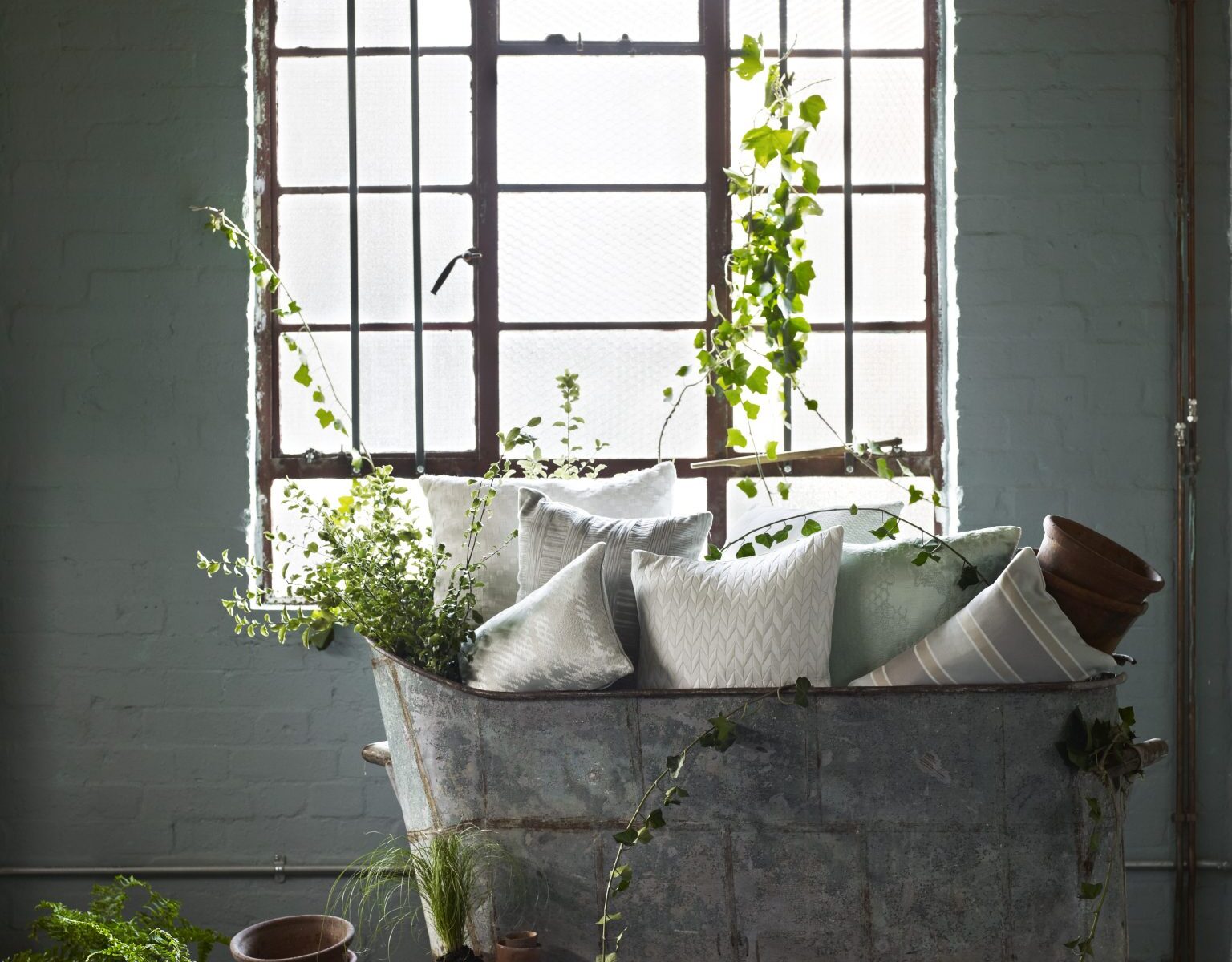
Cushions for textured upholstery sofas

When your sofa is full up the obvious place to put your spare cushions is in that bath tub in the corner of your lounge. We have several new Spring 2015 collections waiting to hit the sewing machines of London.

Anouska Hempel Design

Anouska Hempel Design
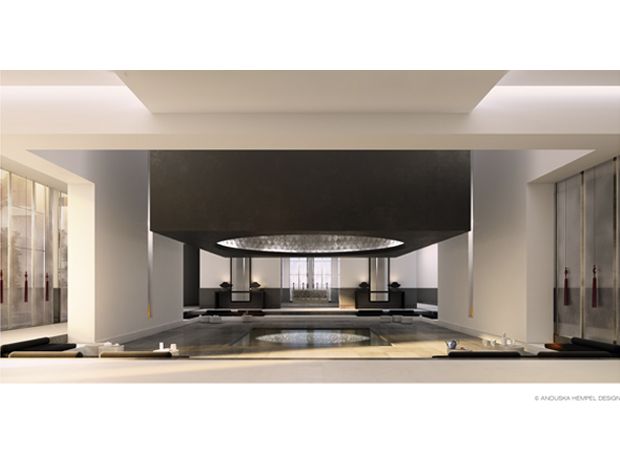
Anouska Hempel Design – hotels

Beautiful open spaces in this Anouska Hempel designed hotel. Anouska Hempel Design are renowned for the simplicity of their work; clean lines and colour schemes that make a great canvas for the architectural- and inter-work that is on display. Perhaps not always the best place for the multitudes of fabric that WE love but still a place for, perhaps, luxury handwoven linens or handwoven linen sheers.

Textured Upholstery Fabric On Sofa

Textured Upholstery Fabric On Sofa

Private Lives Interiors (Annabel Hall) in Surrey have completed many fantastic interiors projects. This sofa looks like it’s part of another.

We love the ribbed, textured upholstery (very similar to KOTHEA Twig design) and the great contrasting colours and textures of the cushions.


A Chat With Verity du Sautoy – Her Thoughts On Winter Fabrics

Luxury Silk velvet From KOTHEA
Truly beautiful Cashmere Silk Velvet by KOTHEA

KOTHEA Fabric Picks For A Chilly Winter’s Day
With Verity du Sautoy of KOTHEA.

We love the seasons. All have their beauties and all have touched our senses in memorable ways over the years. Winter is no exception: lower, more balanced light; quietness and chaos with both the shopping and the weather; festive celebrations; the cuddle of a loved one; the hope and expectation of early spring flowers grasping for rare and tiny glimmers of light; and, perhaps, the welcomed warmth of a beautiful fabric.

Some of my best memories are centred on family: a warm fire; a little baby; or a bouncing toddler. Then an old children’s classic on the iPlayer watched on my Mac as it balances precariously on an elegant coffee table. I stroke my children’s hair with one hand and rest my other hand on my sofa. A generous cushion is warm, encapsulating and a bit of fun for the little ones to hide under. The curtains are not yet fully drawn but they smooth the boundary to the cold outside and give us tantalising glimpses of the world beyond – should we venture too close to the sheers that offer the final, soft protection from the elements.

Dominika B Tana Lawn

I work for a fabric company. I love fabric. I can’t pretend that it (fabric) is a be-all and end-all to life and that somehow it will make your life complete. It can’t. But what it clearly can do is complete the sensory experiences in the parts of life that, if you choose, you have control over…the parts of your home. Memories are not just photo-like snapshots in your brain; they are stored, multi-sensory splashes of emotion.

Here are my Winter picks. They are actual ‘picks’ that I’ve recently purchased or are about to purchase.

Take my sofa as an example. My sofa isn’t Continue reading “A Chat With Verity du Sautoy – Her Thoughts On Winter Fabrics”

Fabric Tips #12: Rolling a velvet

Image via Wikipedia

You’ve just ordered a new velvet and unrolled it to admire your purchase. But how do you re-roll it?

When you roll almost any fabric you should have the face on the inside. With a velvet this is the pile so you have the pile on the inside.

Some, but not all, velvet piles stand straight up others will ‘lay down’. for the former it does not matter which way you then roll the fabric (provided the pile is on the inside). However for typically longer pile which lays down (ie you can brush it flat with your hand in one direction only) then you should roll the fabric down the pile as you return it to its roll.

Hopefully that made sense. Good luck.

Raffia Wallcovering

Tatami Wallcovering And Upholstery Fabric TextileRaffia adds texture as a wallcovering. As a natural product it has many benefits for the interior designer including a degree of thermal insulation and the ability to be adhered directly to wall surfaces or fastened to wall surfaces or ceiling when wrapped around wooden panels.

With Wyzenbeek rubs of 40,000 KOTHEA’s 2011 Raffia (Raphia) are also eminently suitable for a wide range of upholstery uses.

Raffias can usually be fire treated to meet a wide range of contract requirements including hotels and marine installations.

This type of raffia weave has been used for thousands of years perhaps most famously as Japanese Tatami mats. They are of course one of today’s modern day design staples for a clean, modern look.

Links: