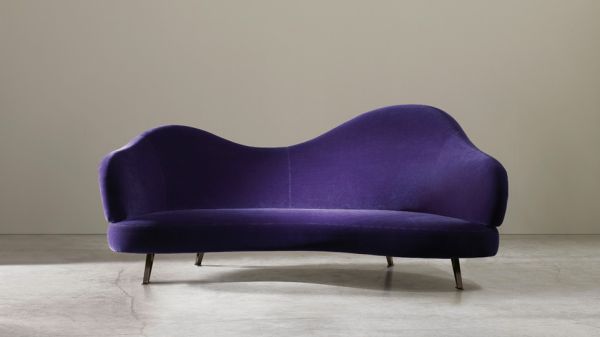
Mohair Thermal Properties: Why It Works in Hotels Year-Round

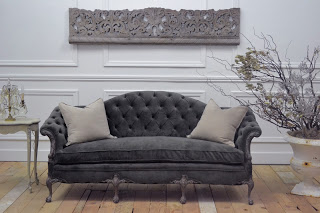
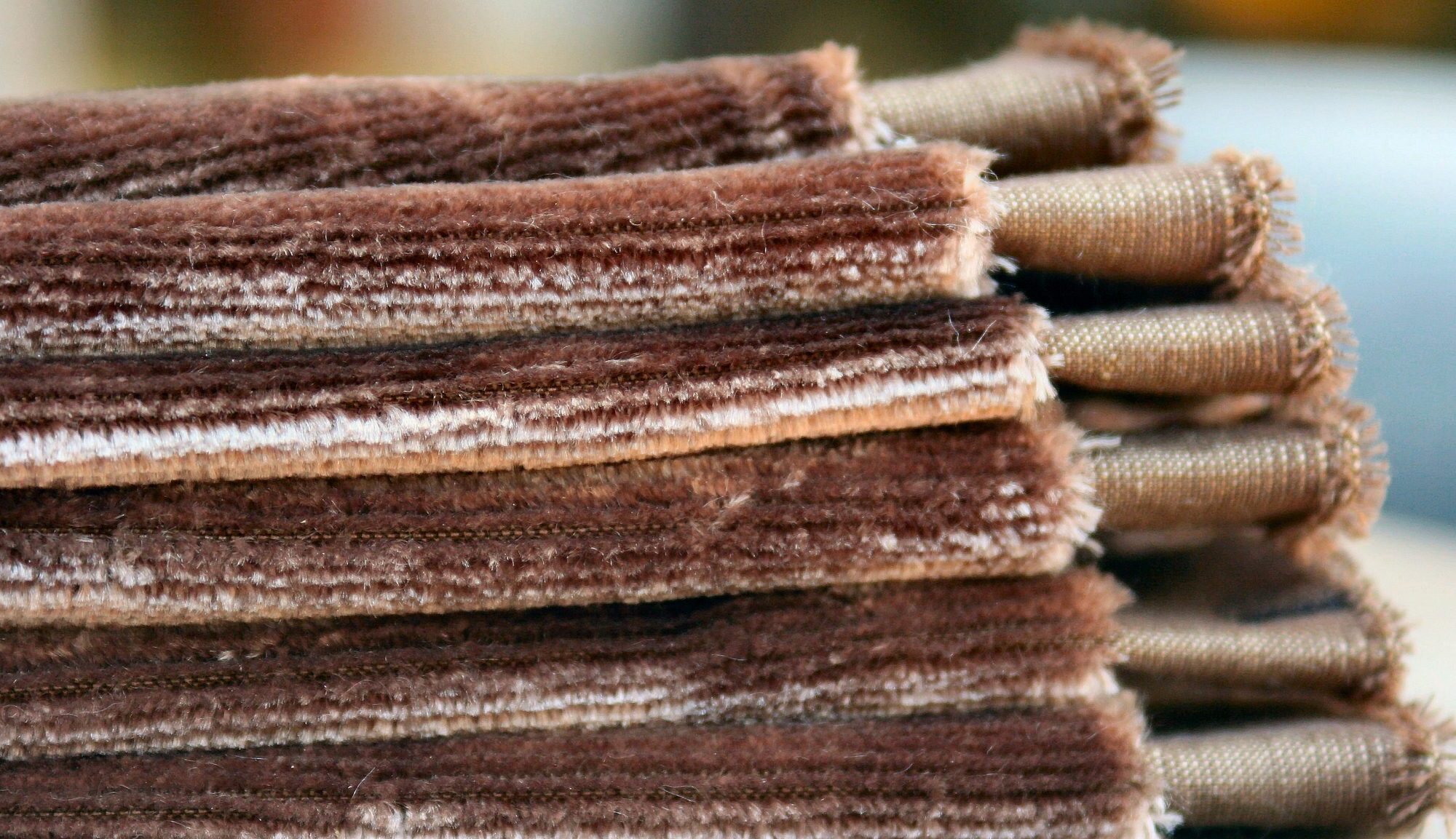
Grey Mohair Velvet Upholstery

Mohair Thermal Properties: Why It Works in Hotels Year-Round

The key property: Mohair fibre is hollow at the microscopic level, trapping air and providing insulation without the bulk associated with wool.
The practical result: Mohair feels warm to the touch but does not cause overheating in sustained use — it regulates temperature rather than simply retaining heat.
Moisture management: Mohair absorbs up to 30% of its weight in moisture vapour before feeling damp, making it comfortable across a wide range of humidity conditions.
Why it works in hospitality: The combination of thermal regulation and moisture management makes mohair velvet comfortable across seasons and climates without the seasonal specification limitations of most upholstery fabrics.

Most upholstery fabric discussions focus on durability, fire rating, and cleaning compatibility. The thermal and moisture management properties of mohair velvet are less frequently discussed but are commercially significant in hospitality environments where guests sit for extended periods across a wide range of ambient temperatures and humidity levels. This guide explains the physical mechanism behind mohair’s thermal performance, how it compares to other upholstery fibres, and why these properties support specification in hotel and hospitality environments year-round.


The Hollow Fibre Structure

Mohair fibre — the hair of the Angora goat — has a medullated structure. The fibre contains a medulla, a cellular core that runs through the centre of the fibre and creates air-filled spaces within the fibre itself. This hollow structure traps air within the fibre rather than just between fibres as in a conventional yarn. Trapped air is an excellent insulator: it reduces the rate at which heat is conducted away from the body.

The result is a fibre that provides warmth without the density and bulk required by other fibres to achieve the same insulating effect. A mohair velvet achieves its thermal character at a lower pile weight than a wool velvet of equivalent warmth performance. This is commercially relevant in upholstery because it means a warmer fabric without the added weight that can make a piece feel heavy or overbuilt.


Temperature Regulation Rather Than Heat Retention

The distinction between a fabric that retains heat and one that regulates temperature matters for extended seating use. A fabric that simply retains heat will feel warm initially but cause discomfort in sustained contact as body heat accumulates at the fabric surface and cannot dissipate. This is the mechanism behind the stickiness associated with non-breathable synthetic upholstery in warm environments.

Mohair velvet regulates rather than simply retains. The hollow fibre structure and the natural protein composition of mohair allow the fibre to respond to changes in body temperature and humidity. When the body produces more heat and moisture, the fabric absorbs moisture vapour from the skin and the warmer air near the body surface can circulate through the pile structure. When conditions cool, the absorbed moisture is released and the fibre’s insulating properties provide warmth.

This active thermal behaviour is described in textile science as hygroscopic regulation — the fibre’s ability to absorb and release moisture in response to environmental conditions moderates the microclimate between the body and the fabric surface. It is the same mechanism that makes wool and cashmere comfortable across a wider temperature range than synthetic fibres of equivalent weight.


Moisture Management

Mohair can absorb up to approximately 30% of its own dry weight in moisture vapour before the surface of the fibre begins to feel damp to the touch. This high moisture absorption capacity means that perspiration from guests sitting for extended periods is absorbed by the fibre and held within the fibre structure rather than remaining at the fabric surface. The fabric surface continues to feel dry even as the fibre absorbs moisture.

The absorbed moisture is subsequently released as the ambient conditions change — when the guest leaves and the seat is unoccupied, or when the ambient temperature drops — restoring the fabric to its dry state without the need for active drying or cleaning. This self-refreshing behaviour is a practical advantage in hospitality environments where upholstery is in continuous use throughout the day and cannot be dried between seatings.

The moisture absorption also generates a small amount of heat — a property known as heat of sorption — which contributes to the warm sensation associated with wool and mohair in cooler conditions.


Comparison with Other Upholstery Fibres

Cotton and linen are cellulosic fibres with good moisture absorption but no hollow fibre structure. They absorb moisture well but do not provide the same insulating warmth as mohair. A cotton velvet feels cooler to first touch than mohair of equivalent pile weight.

Polyester and other synthetic fibres have very low moisture absorption — typically below 1% of their dry weight. Synthetic upholstery fabrics do not absorb perspiration; it remains at the fabric surface and evaporates slowly, producing the clammy sensation associated with synthetic seating in warm environments. In cool conditions, synthetic fabrics feel cold to first touch because they conduct heat away from the body rapidly.

Faux leather — PVC and PU — has negligible breathability or moisture absorption. It is comfortable for short contact periods but in extended seating in warm conditions the lack of moisture management becomes uncomfortable, a practical consideration where guests may sit for two to three hours.


Why This Supports Year-Round Hospitality Specification

A hotel lobby, bar, or restaurant operates across a wide range of seasonal temperatures. In winter, guests arrive from cold outdoor conditions and the ambient temperature is maintained at 20 to 22 degrees Celsius. In summer, the ambient temperature may be similar but guests arrive warm. The thermal and moisture management demands on the upholstery fabric are very different across these conditions.

Mohair velvet performs well in both conditions because its thermal regulation is active rather than passive. The hollow fibre provides insulation in cool conditions. The moisture absorption capacity prevents surface dampness in warm conditions. The pile structure allows some air circulation through the fabric in warm conditions while maintaining pile density and pile recovery in cool conditions. The result is a fabric that does not need to be specified differently for summer and winter.


Frequently Asked Questions

Why does mohair feel warm?

Mohair fibre has a medullated hollow core that traps air within the fibre itself, providing insulation without requiring the bulk of denser fibres. The protein structure of mohair also generates a small amount of heat when it absorbs moisture — a property called heat of sorption — which contributes to the warm sensation on first contact. Unlike synthetic fibres, which conduct heat away from the body rapidly and feel cold to first touch, mohair conducts heat more slowly and feels immediately warm.

Does mohair velvet become uncomfortable in warm weather?

No. Mohair can absorb up to approximately 30% of its weight in moisture vapour before the surface feels damp. In warm conditions, perspiration from guests is absorbed into the fibre and held away from the skin surface, keeping the fabric surface dry. In sustained warm-weather use, mohair remains more comfortable than non-breathable synthetic alternatives.

Is mohair velvet suitable for restaurant seating where guests sit for long periods?

Yes, provided the Martindale rub count and fire certification meet the requirements of the specific environment. The thermal and moisture management properties of mohair are well-suited to extended seating use. For restaurant seating Martindale thresholds, see our hotel fabric specification guide.


For mohair velvet specification data including Martindale rub counts, fire ratings, and colourways, see the mohair velvet upholstery page. For velvet type comparisons, see our velvet types compared guide. For fabric hand and tactile properties, see our fabric hand guide.

Request Samples

Order cutting samples of any fabric from our current collections. Trade accounts only.

Order Cuttings

Pilling Resistance in Upholstery Fabric: A Guide for Interior Designers

Silk Velvet Upholstery Mohair

Pilling Resistance in Upholstery Fabric: A Guide for Interior Designers

What pilling is: Small balls of tangled fibre that form on the fabric surface through friction and use, altering appearance even when the fabric remains structurally intact.
The test: ISO 12945-2 Martindale pilling test, graded 1 to 5. Grade 5 is no change. Grade 4 is slight surface fuzzing. Grade 3 is moderate pilling. Contract minimum is grade 4.
Highest pilling risk: Short-staple fibre blends, loosely twisted yarns, natural-synthetic blends.
Lowest pilling risk: Long-staple natural fibres, tightly twisted yarns, high-density weaves, mohair velvet.

A fabric can achieve 80,000 Martindale rubs and still pill badly. Abrasion resistance and pilling resistance are distinct properties measured by different tests. A fabric that resists structural wear may nevertheless develop an unsightly surface of small fibre balls within months of use, fundamentally altering its appearance without any yarn breaking. For pile fabrics in particular, pilling can destroy the visual quality of a fabric long before its structural integrity is compromised. This guide explains what causes pilling, how it is tested, which fabrics carry the highest and lowest risk, and what to specify to avoid problems in contract use.

For abrasion resistance and Martindale rub counts, see our Martindale rub test guide. For velvet types and their performance characteristics, see our velvet types compared guide.


What Causes Pilling

Pilling begins when individual fibres work free from the yarn structure through friction and mechanical stress. Loose fibre ends at the surface of the fabric are caught by adjacent surfaces and tangled together into small balls. These balls remain attached to the fabric by the fibres still anchored within the yarn, which is why they do not simply fall off. The ball continues to grow as more loose fibres are captured and incorporated into it.

The size and tenacity of pills varies by fibre type. Natural fibres produce pills that are relatively fragile and may eventually detach from the fabric surface through continued friction. Synthetic fibres produce pills that are anchored by stronger fibres that do not break under continued use. The pills grow, persist, and resist removal. This is why fabrics containing synthetic fibres often pill more visibly and permanently than pure natural-fibre fabrics.

Blended fabrics often pill worst of all. The short, weak natural fibres break loose from the yarn easily, producing the loose ends that form pill nuclei. The stronger synthetic fibres then anchor the pills to the fabric surface, preventing them from detaching. The result is persistent, anchored pills formed from natural fibre content but held in place by synthetic fibre anchors.


The Pilling Test: ISO 12945-2

Pilling resistance is tested to ISO 12945-2 using the Martindale machine with a different abradant. For pilling assessment, the fabric sample is rubbed against itself rather than against a worsted wool abradant. The machine runs for a defined number of cycles and the sample is then assessed visually against reference photographs and graded on a scale of 1 to 5.

Grade 5 indicates no change. Grade 4 indicates slight surface fuzzing or early-stage pilling, barely visible in normal viewing conditions. Grade 3 indicates moderate pilling, noticeable in normal use. Grade 2 indicates distinct pilling. Grade 1 indicates severe, dense pilling across the whole surface.

The test is typically run at 125, 500, 1000, and 2000 cycles. A fabric assessed at 2000 cycles with a grade of 4 or above is considered acceptable for contract upholstery use. The contract minimum is grade 4. A fabric achieving grade 3 at 2000 cycles will show noticeable pilling in use and is not appropriate for contract seating applications regardless of its Martindale abrasion count.


Fibre Types and Pilling Risk

Mohair. Lowest pilling risk of all natural-fibre velvets. The long-staple mohair fibre has fewer free ends per unit length of yarn than short-staple fibres. Fewer free ends means fewer pill nuclei. The smooth surface of the mohair fibre also means that free ends slide rather than tangle, reducing the rate of pill formation. Mohair velvet in contract grades typically achieves grade 4 to 5 at 2000 cycles.

Wool. Low to moderate pilling risk depending on fibre length and yarn construction. Merino wool pills less than coarser short-staple wool. Tightly spun wool yarns pill less than loosely spun yarns of the same fibre.

Cotton. Moderate pilling risk. Short-staple cotton varieties pill more than long-staple varieties such as Egyptian or Pima cotton. Cotton velvet is more susceptible to pilling than mohair velvet because cotton fibres are shorter and the pile construction exposes more free ends per unit area.

Linen. Low pilling risk. Linen is a long-staple bast fibre. The fibre length and relatively smooth surface reduce pill formation compared to cotton.

Polyester. High pilling persistence if it pills at all. Synthetic fibres anchor pills rather than allowing them to detach. When pills do form they are tenacious.

Natural-synthetic blends. Highest pilling risk in practice. Specifying blends for contract upholstery requires specific pilling grade confirmation, not just Martindale abrasion data.


Construction Factors That Affect Pilling

Yarn twist affects pilling directly. A high-twist yarn locks fibres into the yarn structure more firmly, reducing the number of free ends exposed at the surface. A low-twist yarn allows fibres to work free more easily. Two fabrics of the same fibre and weight can have very different pilling grades depending on the yarn construction.

Weave density affects pilling by controlling the movement of yarns at the fabric surface. A tight, dense weave restricts yarn movement and reduces the abrasion between adjacent yarns that generates free fibre ends.

Pile construction in velvet affects pilling through pile height and density. A short, dense pile has fewer exposed free ends per unit area than a long, open pile of the same fibre. Contract-grade velvet is typically specified with a denser, shorter pile than residential velvet partly for this reason.


Pilling in Use: What Clients Experience

Pilling in upholstery is most visible in areas of sustained friction — seat cushions where clothing rubs against the fabric, and armrests. In a hotel or restaurant environment, denim in particular is highly abrasive and accelerates pilling. Pilling is not repairable in the way that surface staining can sometimes be treated. A pilled fabric requires either mechanical depilling — a temporary intervention — or replacement. Brief clients on pilling risk at the point of specification, particularly for natural-fibre pile fabrics in contract environments.


Frequently Asked Questions

What is the difference between pilling and abrasion?

Abrasion is the physical wearing away of yarn structure through friction, measured by Martindale rub count. Pilling is the formation of surface fibre balls through the tangling of loose fibre ends, measured separately by ISO 12945-2. A fabric can have a very high Martindale abrasion count and still pill badly. Both should be confirmed before specifying a fabric for contract use.

What pilling grade should I specify for contract upholstery?

Grade 4 minimum to ISO 12945-2 at 2000 cycles. For high-traffic environments, grade 4 to 5 is a more defensible specification. Always confirm the grade for the specific colourway being ordered, as pilling grades can vary between colourways in the same range.

Does mohair velvet pill?

Mohair velvet has the lowest pilling risk of any natural-fibre velvet due to the long staple length and smooth surface of the mohair fibre. Contract-grade mohair velvet typically achieves grade 4 to 5 at 2000 cycles. It is the most pill-resistant natural-fibre velvet available for contract upholstery.

Why do natural-synthetic blend fabrics pill so badly?

Natural-synthetic blends combine the pill-forming tendency of short natural fibres with the pill-anchoring strength of synthetic fibres. The result is persistent, anchored pills that grow with continued use. Blended fabrics for contract use require specific pilling grade confirmation before specifying.


For abrasion test method differences between Martindale and Wyzenbeek, see our Wyzenbeek vs Martindale guide.

For abrasion resistance, see our Martindale rub test guide. For velvet types and contract suitability, see our velvet types compared guide.

Request Samples

Order cutting samples of any fabric from our current collections. Trade accounts only.

Order Cuttings

Velvet Types Compared: Mohair, Cotton, Silk, Linen and Synthetic

Velvet Types Compared: A Complete Specifier’s Guide for Interior Designers and Architects

Most durable natural velvet: Mohair — 80,000 to 100,000 Martindale rubs
Contract fire standard: BS 5852 Crib 5 — inherent in correctly certified mohair; topical treatment required for cotton, linen, and silk
Cleaning code: S (solvent only) for most natural velvets; W or WS for synthetic
Decorative use only: Silk velvet and cashmere velvet — not suitable for upholstery in regular use

Most durable natural velvet: Mohair — 80,000 to 100,000 Martindale rubs
Contract fire standard: BS 5852 Crib 5 — inherent in correctly certified mohair; topical treatment required for cotton, linen, and silk
Cleaning code: S (solvent only) for most natural velvets; W or WS for synthetic
Decorative use only: Silk velvet and cashmere velvet — not suitable for upholstery in regular use

Velvet is a construction method, not a fibre. A velvet fabric is produced by weaving two layers of cloth simultaneously with threads connecting them, then cutting those threads to create an upstanding pile. That pile can be made from almost any fibre, and the fibre is the primary determinant of specification performance — durability, fire rating, cleaning requirements, light fastness, and cost — alongside construction, pile density, and backing. Choosing between velvet types on aesthetic grounds alone is the most common specification error in interior design.

This guide compares the principal velvet types available to specifiers in the UK market across every dimension relevant to a professional specification. For background on the testing standards referenced throughout this guide, see our posts on the Martindale rub test, BS 5852 Crib 5 fire certification, light fastness and the Blue Wool Scale, and fabric care symbols and cleaning codes.


How Velvet Is Made

Understanding the construction helps explain why fibre choice matters so much in velvet. In warp pile velvet, the pile yarns run along the length of the fabric and are woven over wires or rods. When the rods are withdrawn and the loops cut, a cut pile is formed. In double-cloth velvet, two fabrics are woven face to face simultaneously, joined by pile threads that are then cut to separate them and create pile on both faces. The resulting fabric has a distinct face and back, with the pile standing perpendicular to the base cloth.

The density and height of the pile, the twist of the pile yarn, and the weight and construction of the base cloth all affect performance. But the most fundamental variable is the fibre from which the pile is made.


Mohair Velvet

Fibre origin: Hair of the Angora goat, primarily from South Africa and Turkey. South Africa produces more than half of the world’s mohair supply and is the global benchmark for quality. A long-staple, smooth, lustrous fibre with exceptional tensile strength. For background on South African mohair production and the Responsible Mohair Standard, see Mohair South Africa.

Martindale rub count: 80,000 to 100,000 and above, depending on construction and pile density. Mohair velvet achieves the highest rub counts of any natural-fibre velvet and is the most reliably suitable natural-fibre velvet for heavy contract use. Kothea’s mohair velvet ranges are independently tested and achieve between 80,000 and 100,000 Martindale rubs across the active collections.

Fire rating: Mohair fibre, like wool, has natural flame-resistant properties arising from its high protein content. A correctly woven and constructed mohair velvet can achieve a BS 5852 Crib 5 pass without topical chemical treatment, depending on construction and backing. This is not universal across all mohair velvets and must be confirmed by an independent test certificate for the specific range. Kothea’s active mohair velvet ranges carry independently certified Crib 5 passes without topical treatment. Where this is confirmed, the certification does not depend on chemical coatings, is unaffected by cleaning, and does not alter the handle or appearance of the fabric. This is the single most commercially significant advantage of a correctly certified mohair velvet over other natural-fibre velvets.

Cleaning code: S. Dry-cleaning solvent only. Water applied to mohair velvet can cause watermarks and pile matting. For minor fresh stains, a barely dampened lint-free cloth worked in the direction of the pile is acceptable as a first response. For full cleaning guidance see our post on cleaning and maintaining mohair velvet.

Light fastness: ISO 105-B02 grade 4 to 5 in light colourways and grade 5 to 6 in dark colourways. Suitable for most residential environments. For south-facing rooms, specify dark colourways or confirm the specific colourway grade with the supplier.

Pile appearance: High lustre with a characteristic directional sheen. The pile reflects light differently depending on viewing angle and pile direction, producing the depth of colour associated with luxury upholstery velvet. The sheen is a natural property of the mohair fibre and cannot be replicated by cotton or synthetic alternatives.

Suitable applications: Heavy contract upholstery including hotel seating, restaurant banquettes, theatre and hospitality seating, residential sofas and chairs, headboards, cushions, and curtains. The combination of inherent Crib 5 and high Martindale makes it the standard against which all other upholstery velvets are measured in the UK contract market.

Not recommended for: High-light environments without confirming the colourway grade. Outdoor or semi-outdoor use. Applications requiring machine washing.

Cost position: Premium. The Angora goat produces a limited annual clip, and the fibre must be woven to a high pile density to achieve the rub counts associated with contract performance. The cost is justified by the specification advantage of inherent Crib 5 and the durability of the fabric in use.


Cotton Velvet

Fibre origin: Cotton plant. A short-staple natural cellulose fibre, widely grown and relatively inexpensive.

Martindale rub count: 20,000 to 60,000 depending on construction, pile density, and backing. Cotton velvet varies enormously in quality. A well-constructed heavyweight cotton velvet can achieve sufficient durability for general domestic and light contract use. A thin, loosely woven cotton velvet intended for curtains or cushions may achieve 10,000 rubs or fewer. Always confirm the specific Martindale figure for the range you are specifying.

Fire rating: Topical treatment required. Cotton fibre does not pass BS 5852 Crib 5 inherently. A back-coating of flame-retardant chemicals must be applied before use in contract environments. The treatment process can affect the appearance and handle of the pile if not applied correctly, and specialist treatment houses experienced with velvet pile should be used. The Crib 5 certification achieved through topical treatment is subject to degradation through repeated cleaning. See our complete guide to Crib 5 for detail on inherent versus topical certification. For the risk of dye colour change after FR treatment, particularly on cotton with reactive dyes, see our dye types and FR treatment guide.

Cleaning code: S or WS depending on the specific range. Confirm the cleaning code on the fabric data sheet before specifying. Cotton velvet treated with a back-coating for Crib 5 may require solvent-only cleaning to avoid degrading the treatment.

Light fastness: Grade 4 to 5 typically with standard reactive dyes. Broadly comparable to mohair at equivalent price points. Cotton velvet takes dye well and can achieve good colour depth.

Pile appearance: Matte to semi-matte. Cotton pile lacks the lustre of mohair and does not produce the same directional sheen. The aesthetic is warmer and less formal than mohair, which suits some residential briefs.

Suitable applications: Domestic upholstery, cushions, curtains, and headboards. Suitable for general domestic and light contract use when correctly specified and treated. Not the first choice for heavy contract environments where the additional cost and complexity of topical treatment, re-treatment requirements, and lower Martindale thresholds make mohair velvet a more defensible specification.

Not recommended for: Heavy contract use without FR treatment and independent testing. High-humidity environments. Applications where the FR certification must survive repeated cleaning without re-treatment.

Cost position: Mid-range. Cotton velvet is typically less expensive than mohair at equivalent pile weights but requires the additional cost of FR treatment for contract use, which narrows the price difference in contract projects.


Silk Velvet

Fibre origin: Cocoon of the silkworm Bombyx mori. Silk is a continuous filament natural protein fibre of exceptional fineness and lustre.

Martindale rub count: Below 15,000 in most cases. Natural silk is the weakest of the natural-fibre velvets in abrasion terms. The fineness of the filament that produces silk’s extraordinary lustre is also the source of its vulnerability to mechanical wear. Silk velvet is decorative fabric, not upholstery fabric in the contract sense of the word.

Fire rating: Topical treatment is possible for domestic standards but silk velvet cannot reliably achieve a full Crib 5 pass for contract use. The coating process can damage the silk pile irreversibly. Silk velvet should not be specified for contract environments requiring BS 5852 Crib 5 certification unless the specific range has been independently tested and certified.

Cleaning code: S. Dry-clean only. Silk is highly water-sensitive. Water will cause permanent watermarking and potentially alter the pile structure.

Light fastness: Grade 2 to 4 typically. Silk is the most photosensitive of the natural upholstery fibres. The dyes used on silk are chemically susceptible to UV degradation. Silk velvet should not be used in rooms with significant natural light exposure and should not be used on curtains where direct sunlight will fall on the fabric face. See our light fastness guide for full context.

Pile appearance: The most lustrous of all velvet pile types. Silk produces an extraordinary depth of sheen that no other fibre can replicate. The visual effect is incomparable when correctly lit in a low-light residential interior.

Suitable applications: Decorative cushions, occasional chairs in low-use residential rooms, curtains in low-light environments, bed throws. Silk velvet is the choice where aesthetic impact is the sole requirement and durability, fire rating, and light fastness are secondary.

Not recommended for: Any contract application. South-facing rooms. Any room with significant footfall or regular seating use. Headboards where regular contact with hair products will degrade the pile.

Cost position: High to very high. Silk is the most expensive natural fibre and the pile density required for velvet construction multiplies the material cost significantly. Quality varies considerably between suppliers.


Linen Velvet

Fibre origin: Flax plant. Linen is a bast fibre extracted from the stalk of the flax plant. It is a strong, textural natural cellulose fibre with a characteristic irregularity of surface.

Martindale rub count: 15,000 to 25,000 typically for linen velvet, though construction varies. Kothea’s Linen Velvet achieves 20,000 Martindale rubs with a SI 1324 cigarette test pass. Linen velvet occupies the domestic to light contract range.

Fire rating: Not inherently Crib 5. Linen is a natural fibre with moderate fire resistance but does not pass BS 5852 Crib 5 without treatment or interliner. For contract use, FR treatment or a Schedule 3 interliner is required. Fabrics containing at least 75% natural fibres by weight may use a Schedule 3 interliner as an alternative to chemical treatment for some standards. Confirm the specific requirement with the relevant authority for the project environment.

Cleaning code: S or WS. Confirm on the data sheet. Linen is water-sensitive in pile form and wet cleaning can cause shrinkage and pile distortion.

Light fastness: Grade 4 to 5 with standard reactive dyes. Comparable to cotton velvet.

Pile appearance: Matte. Linen velvet has a distinctly textural, natural surface character very different from the smooth reflective pile of mohair or silk. The pile is less uniform than mohair or cotton and the fibre’s natural irregularity is visible in the surface of the cloth. This quality is valued in certain residential briefs where a craft or natural aesthetic is sought.

Suitable applications: Domestic upholstery, curtains, cushions, decorative headboards. A strong choice for residential briefs requiring a natural, relaxed aesthetic with moderate durability.

Not recommended for: Heavy contract use. High-humidity environments. Applications where uniformity of pile surface is required.

Cost position: Mid-range. Linen velvet is typically comparable in price to cotton velvet at equivalent construction weights.


Cashmere and Cashmere-Silk Velvet

Fibre origin: Undercoat of the Himalayan Cashmere goat. Cashmere is one of the finest natural fibres available, characterised by exceptional softness and warmth retention.

Martindale rub count: Low. Cashmere fibre is too fine and too short-staple to produce velvet with meaningful abrasion resistance for upholstery use. Cashmere velvet, and cashmere-silk velvet blends, are decorative fabrics. Kothea’s Cashmere Silk Velvet is specified for curtains only.

Fire rating: Topical treatment is technically possible but the handle and appearance of cashmere velvet are typically altered by the coating process. Cashmere velvet cannot be reliably specified for contract upholstery environments requiring Crib 5 certification.

Cleaning code: S. Dry-clean only.

Light fastness: Moderate. Cashmere is a protein fibre and susceptible to UV degradation. Not recommended for high-light environments.

Pile appearance: Extraordinarily soft handle with a subtle, fine lustre. The pile texture is unlike any other velvet and is immediately identifiable by touch. Cashmere-silk blends add luminosity to the characteristic cashmere warmth.

Suitable applications: Curtains, decorative cushions, bed throws, accent pieces in low-use residential rooms. Cashmere velvet is the choice where tactile experience is the primary specification criterion.

Not recommended for: Upholstery of any kind in regular use. Contract environments. Any application where durability or fire certification is required.

Cost position: Very high. Cashmere velvet is among the most expensive interior fabrics available.


Synthetic Velvet: Trevira CS and Polyester

Fibre origin: Petrochemical derivatives. Trevira CS is a branded inherently fire-retardant polyester fibre manufactured in Germany. Standard polyester velvet uses conventional polyester yarn.

Martindale rub count: High. Synthetic velvet typically achieves 50,000 to 150,000 Martindale rubs depending on construction. Synthetic fibres are inherently more resistant to mechanical abrasion than natural fibres of equivalent weight.

Fire rating: Trevira CS is inherently flame-retardant. The flame retardancy is a permanent property of the polyester polymer and survives cleaning. Standard polyester velvet requires topical treatment and may or may not achieve a full Crib 5 pass depending on construction. Always confirm the specific test result and certification for any synthetic velvet before specifying for contract use.

Cleaning code: W or WS typically. Synthetic fibres are more tolerant of water-based cleaning than natural fibres. Many synthetic velvets can be spot-cleaned with water-based upholstery cleaners.

Light fastness: Grade 6 to 7 typically. Synthetic fibres are inherently more UV-resistant than natural fibres. Solution-dyed synthetic velvet, where the colour is incorporated into the fibre during extrusion, achieves the highest light fastness ratings available in velvet form.

Pile appearance: Varies considerably by construction. High-quality synthetic velvet can closely approximate the appearance of natural velvet. Lower-quality synthetic velvet has a flatter, more uniform pile with less depth. The distinguishing quality of natural-fibre velvets, particularly mohair, is visible to an experienced eye in showroom conditions.

Suitable applications: Contract upholstery where fire certification and durability are the primary requirements. Healthcare environments. Transport seating. Applications where machine cleanability or high-frequency cleaning is required.

Not recommended for: Ultra-luxury residential briefs where natural fibre handle and appearance are client requirements. Marine environments without confirming IMO compliance separately.

Cost position: Lower to mid-range. Synthetic velvet is less expensive than mohair at equivalent construction weights, though high-specification Trevira CS velvet from major European mills approaches mohair pricing.


Alpaca Velvet

Fibre origin: Fleece of the South American alpaca. Alpaca is a protein fibre closely related to wool, with a finer and softer handle than most sheep’s wool and a moderate natural lustre.

Martindale rub count: 20,000 to 40,000 typically, depending on construction. Alpaca velvet performs similarly to a well-constructed wool velvet. It is suitable for domestic and light contract use but does not approach the rub counts achievable with mohair.

Fire rating: Alpaca is a natural protein fibre and, like wool and mohair, has moderate inherent fire resistance. However, alpaca velvet cannot be assumed to pass BS 5852 Crib 5 inherently without specific independent testing. Do not specify alpaca velvet for contract use on the basis of fibre type alone. Request the test certificate from the supplier.

Cleaning code: S typically. Confirm with the supplier.

Light fastness: Grade 4 to 5 with standard acid dyes. Comparable to mohair.

Pile appearance: Soft and slightly matte with a gentle natural lustre. Less directional sheen than mohair. The pile has a warmth of character distinct from both mohair and cotton.

Suitable applications: Luxury residential upholstery, cushions, and occasional seating. Alpaca velvet is a niche choice for residential briefs where natural fibre and unusual character are valued over contract performance.

Not recommended for: Heavy contract use. Applications where inherent Crib 5 certification is required.

Cost position: High. Alpaca fibre is less widely produced than mohair or cotton and carries a premium.


Specification Summary by Application

For heavy contract upholstery in hotels, restaurants, bars, and hospitality environments, mohair velvet with an independently certified Crib 5 pass achieved without topical treatment, and a rub count of 80,000 or above, is the most reliable natural-fibre specification. Synthetic Trevira CS velvet is the alternative where budget or client preference for machine-cleanable fabric applies.

For residential upholstery in moderate-use rooms, cotton velvet at 25,000 to 40,000 Martindale rubs is a sound mid-range specification. Linen velvet at 20,000 rubs suits briefs requiring a natural textural aesthetic.

For decorative applications, cushions, and occasional chairs in low-use rooms, silk velvet, cashmere velvet, or alpaca velvet are appropriate where budget allows and the client accepts the care requirements.

For south-facing rooms or high-light environments, confirm the specific ISO 105-B02 grade before specifying any velvet. Mohair in dark colourways, synthetic velvet, and solution-dyed fabrics offer the most reliable light fastness performance.


Frequently Asked Questions

What is the most durable velvet for contract upholstery?

Mohair velvet is the most durable natural-fibre velvet for contract upholstery, achieving Martindale rub counts of 80,000 to 100,000 depending on construction. It also carries an inherent BS 5852 Crib 5 fire rating without topical treatment, making it the only natural-fibre velvet that meets both the durability and fire certification requirements of most UK contract environments without additional cost or treatment. High-specification synthetic velvet using Trevira CS fibre can achieve comparable or higher rub counts and also carries inherent fire resistance, at a lower cost but with a different aesthetic.

What is the difference between mohair velvet and cotton velvet?

Mohair velvet is made from the hair of the Angora goat and achieves Martindale rub counts of 80,000 to 100,000 with an inherent Crib 5 fire rating. Cotton velvet is made from cotton fibre and typically achieves 20,000 to 60,000 Martindale rubs depending on construction, with no inherent Crib 5 rating. Cotton velvet requires topical FR treatment for contract use. Mohair velvet has a characteristic directional sheen and depth of colour that cotton velvet does not replicate. Cotton velvet is less expensive but requires additional investment in fire treatment for contract projects, narrowing the price advantage in practice.

Can silk velvet be used for upholstery?

Silk velvet is not suitable for upholstery in regular use. It typically achieves fewer than 15,000 Martindale rubs, which places it in the decorative category unsuitable for seating. Silk is also highly photosensitive, with a light fastness grade of 2 to 4, meaning it will fade in rooms with natural light exposure. Silk velvet cannot reliably achieve a BS 5852 Crib 5 certification for contract use. It is appropriate for decorative cushions, curtains in low-light environments, and occasional chairs in rooms with very limited use.

Does mohair velvet have an inherent Crib 5 fire rating?

Mohair fibre has natural flame-resistant properties and a correctly woven mohair velvet can achieve a BS 5852 Crib 5 pass without topical chemical treatment, depending on construction and backing. This is not guaranteed for all mohair velvets by fibre type alone and must be confirmed by an independent test certificate for the specific range. Kothea’s active mohair velvet ranges carry independently certified Crib 5 passes without topical treatment. Where this is confirmed, the certification does not depend on chemical coatings, is unaffected by cleaning, and does not alter the handle or appearance of the fabric. This distinguishes correctly certified mohair velvet from cotton, linen, and silk velvets, all of which require topical treatment to achieve Crib 5. Always request the independent test certificate from the supplier before specifying for contract use.

What velvet is best for south-facing rooms?

For south-facing rooms, specify velvet with an ISO 105-B02 light fastness grade of at least 6. Mohair velvet in dark colourways achieves grade 5 to 6. Synthetic velvet and solution-dyed fabrics typically achieve grade 6 to 7. Silk velvet and cashmere velvet should not be specified for south-facing rooms. Cotton and linen velvet achieve grade 4 to 5, which is borderline for sustained south-facing exposure. Always confirm the specific grade with the supplier for the colourway being ordered, as light fastness varies between colourways within the same range.

What is the difference between cut pile velvet and uncut pile velvet?

In cut pile velvet the pile loops are cut during production, producing upstanding individual fibres that create the characteristic dense, soft surface. In uncut pile or loop pile velvet the loops remain intact, producing a harder, more textural surface. Most upholstery velvet is cut pile. Some decorative velvets combine cut and uncut areas to create pattern, known as ciselé or voided velvet. For upholstery specification, cut pile velvet is the standard choice. Uncut or loop pile velvet may be specified where a more durable surface texture is required as the intact loops resist abrasion more effectively than cut pile.

How do I clean velvet upholstery without damaging the pile?

The cleaning method depends on the cleaning code assigned to the specific fabric. Most velvet upholstery is coded S, meaning solvent-based dry-cleaning agents only. Water applied to an S-coded velvet can cause watermarks and permanent pile distortion. Always work in the direction of the pile when applying any cleaning agent or brushing. For minor fresh stains on mohair velvet, a barely dampened lint-free cloth worked in the direction of the pile is acceptable as a first response. Serious staining should always be referred to a specialist dry cleaner experienced with velvet upholstery.

Is linen velvet suitable for contract upholstery?

Linen velvet is suitable for light contract use, subject to FR treatment and confirmation of the Martindale rub count for the specific range. A well-constructed linen velvet at 20,000 Martindale rubs meets the minimum threshold for general contract use. However, linen velvet does not pass BS 5852 Crib 5 inherently and requires topical treatment or an appropriate interliner for contract environments. For heavy contract use requiring 40,000 rubs or above and full Crib 5 certification, mohair velvet or synthetic velvet are more appropriate specifications.


For the tactile properties of each velvet type and how hand differs between fibres, see our fabric hand and tactile properties guide.

For velvet specification in hotel and hospitality projects, see our hotel fabric specification guide. For velvet on walls and headboards, see our wall panels and headboards guide.

Kothea offers mohair velvet, linen velvet, and cashmere silk velvet from its active range. To For when velvet is the wrong choice for a project, see our when not to use velvet guide. For pilling resistance by velvet type, see our pilling resistance guide. For mohair thermal properties in hospitality, see our mohair thermal properties guide.

For full specification data including Martindale rub counts, fire ratings, and light fastness grades by range, see the mohair velvet upholstery page and the silks page.

For guidance on using velvet as an acoustic treatment in home studios and music rooms, see our fabric for home studio acoustics guide.

Request Samples

Order cutting samples of any fabric from our current collections. Trade accounts only.

Order Cuttings

Light Fastness and the Blue Wool Scale: Fabric Specification Guide

Light Fastness and the Blue Wool Scale: A Complete Guide for Interior Designers and Specifiers

Light fastness is a fabric’s resistance to fading when exposed to light. For interior designers, it is one of the most practically consequential specifications you will make. A fabric that fades within two years in a south-facing room represents a specification failure regardless of how well it performs on every other measure. This guide explains how light fastness is tested, what the Blue Wool Scale grades mean, which grades to specify for different applications, and how light fastness interacts with fibre type, dye method, and room orientation.

This is the third in a series of technical specification guides from Kothea. The first covers the Martindale rub test and the second covers BS 5852 Crib 5 fire certification.
For why velvet in pale colourways in south-facing rooms is a specific light fastness risk, see our when not to use velvet guide. For colour naming, systems, and metamerism, see our colour naming and specification guide. For the companion test covering dye transfer and crocking, see our colour fastness and crocking guide.


What Light Fastness Means

Light fastness measures how much a fabric’s colour changes when exposed to light. It is not the same as colour fastness generally, which covers a broader range of stressors including washing, rubbing, and perspiration. Light fastness specifically measures the effect of ultraviolet and visible light on the dye or pigment within a fabric.

Fading occurs when light energy breaks down the chemical bonds in a dye molecule, altering its ability to absorb and reflect specific wavelengths of light. The result is a shift in the perceived colour of the fabric, which may manifest as bleaching, yellowing, or a change in hue depending on the dye type and fibre.

The speed and extent of fading depends on the fibre type, the class of dye used, the dyeing method, the intensity and spectrum of light the fabric is exposed to, and the presence of UV filtering in the glazing of the windows in the room.

Light fastness should not be confused with shade change in velvet, which is the apparent change in colour caused by pile being pushed in different directions through use. Shade change is a mechanical phenomenon and is not related to dye degradation or light exposure.


How the Test Works

The standard test for light fastness in the United Kingdom and Europe is ISO 105-B02: Colour Fastness to Artificial Light: Xenon Arc Fading Lamp Test. The fabric specimen is placed in a controlled chamber and exposed to a xenon arc lamp, which produces a spectrum of light representative of natural daylight at the D65 standard illuminant. This simulates the conditions of a south-facing interior window.

The specimen is assessed at intervals by comparing the degree of colour change against a set of eight reference fabrics known as blue wool references, numbered 1 to 8. These references are produced and calibrated by specialist manufacturers such as James Heal, who supply accredited test houses worldwide. Each blue wool reference is dyed with a different dye to produce a known and calibrated resistance to fading. Blue wool 1 is the most fugitive and blue wool 8 is the most resistant. Each successive reference is approximately twice as resistant to fading as the previous one, giving the scale a geometric rather than linear progression. The difference between grade 5 and grade 6 represents twice the resistance of grade 4 to grade 5, not an equal step.

The result awarded to the fabric is the number of the blue wool reference that most closely matches the degree of fading shown by the test specimen. A fabric rated at grade 5 has faded to a degree equivalent to blue wool reference 5 under the same exposure conditions.


The Blue Wool Scale: What Each Grade Means

Grade 1 indicates very poor light fastness. The fabric will fade rapidly under even moderate light exposure. No upholstery or curtain fabric should be specified at this grade.

Grade 2 indicates poor light fastness. Significant fading is expected within a short period. Not suitable for any interior application where appearance durability matters.

Grade 3 indicates moderate light fastness. Acceptable only for very low-light environments with no direct sunlight exposure. Not recommended for curtains or upholstery in standard residential or contract use.

Grade 4 indicates good light fastness and is the recognised minimum for interior furnishing fabrics. Suitable for residential upholstery and curtains in rooms with indirect or limited natural light. Not recommended for south-facing rooms with large glazed areas or for high-light contract environments.

Grade 5 indicates very good light fastness and is the recommended minimum for most residential upholstery and curtain specifications. Suitable for rooms with moderate natural light including east and west-facing rooms.

Grade 6 indicates excellent light fastness and is recommended for south-facing rooms, high-light residential environments, and standard contract interiors including hotels and restaurants.

Grade 7 indicates very high light fastness. Recommended for environments with prolonged or intense light exposure including glazed atriums, conservatories, and south-facing hospitality spaces.

Grade 8 indicates the maximum achievable light fastness and is reserved for the most demanding light environments including marine, semi-outdoor, and direct sunlight applications.


Specification Thresholds by Application

For residential upholstery in rooms with limited or indirect natural light, grade 4 is the minimum acceptable threshold. For residential upholstery in rooms with moderate natural light, specify grade 5 or above. For south-facing rooms or rooms with large glazed areas, specify grade 6 or above. For contract upholstery in hotels, restaurants, and offices with standard glazing, specify grade 5 as a minimum with grade 6 preferred. For glazed atriums, hotel lobbies with skylights, or any environment with prolonged daylight exposure, specify grade 6 to 7.

For curtains, the same grading applies but the exposure is usually more direct and more sustained than for upholstery. A curtain fabric in a south-facing room should be specified at grade 6 or above regardless of whether the curtains are habitually closed or drawn.

For marine, yacht, or semi-outdoor applications, grade 7 to 8 is the appropriate range and specialist outdoor-rated fabrics should be specified rather than standard interior upholstery fabric.


The Effect of Room Orientation

Room orientation is one of the most underspecified variables in fabric selection. A north-facing room in the UK receives no direct sunlight at any time of year, and a grade 4 or 5 fabric is typically adequate. An east-facing room receives direct morning sun for a limited period. A west-facing room receives afternoon sun, which can be intense in summer. A south-facing room receives direct sunlight throughout the day from spring through autumn, with peak UV intensity between midday and 3pm.

The difference in light exposure between a north-facing and south-facing room in London over a twelve-month period is very significant. A grade 4 fabric that performs adequately in a north-facing study may show visible fading within eighteen months in a south-facing drawing room.

Always ask the client which direction the principal windows face and factor that into the light fastness requirement before specifying.


Fibre Type and Dye Method

Not all fibres accept dyes equally, and not all dyes are equally resistant to light degradation. The light fastness of a fabric is a product of both.

Silk is the most photosensitive natural fibre. Silk dyes are chemically susceptible to UV degradation, and silk fabrics typically achieve lower light fastness ratings than wool, cotton, or linen. Silk and silk velvet should be specified with caution in high-light environments, and the client should be advised of this limitation explicitly before specification is finalised.

Wool and mohair accept reactive and acid dyes that can achieve good light fastness ratings when correctly selected. Well-dyed wool upholstery fabrics typically achieve grade 5 to 6. Mohair, being a wool-derived fibre, has similar dye chemistry. Kothea’s Mohair Velvet Seven is tested independently to ISO 105-B02 and achieves grade 4 to 5 for light colourways and grade 5 to 6 for dark colourways. Darker colourways generally achieve higher light fastness grades because a greater proportion of colour loss is required before a visual change becomes perceptible.

Cotton and linen typically achieve moderate light fastness with standard reactive dyes. Pre-washed and solution-dyed cotton and linen can achieve higher grades depending on the dyestuff selection.

Polyester is inherently more resistant to UV degradation than natural fibres and typically achieves grades 6 to 7. Solution-dyed polyester, where colour is introduced into the fibre during extrusion rather than applied to the surface after weaving, achieves the highest light fastness ratings of any standard interior fabric and is appropriate for the most demanding high-light or semi-outdoor applications.

PVC and PU faux leathers are treated with UV-stabilising additives during manufacture and typically achieve high light fastness ratings. However, UV degradation of the substrate itself can cause surface cracking and loss of surface texture independent of colour change, which is a separate consideration for high-light environments.


What Light Fastness Does Not Measure

The ISO 105-B02 test measures colour change under controlled artificial light. It does not measure the effect of UV-filtering glass, which can significantly reduce UV exposure in modern double or triple-glazed windows. It does not measure the effect of cleaning on dye stability, which is covered by separate fastness tests. It does not predict how a specific fabric will behave in a specific room, because actual exposure varies by latitude, season, window orientation, glazing specification, and curtain or blind usage.

Low-e glazing and UV-blocking film can substantially reduce the UV component of light entering a room, extending the effective service life of a fabric beyond what the grade alone would suggest. If a client is refurbishing a property with high-specification glazing, this should be factored into the specification conversation.


Light Fastness and Crocking

Light fastness should not be confused with crocking, which is the transfer of dye from a fabric surface to another material through rubbing or friction. Crocking is measured by a separate test and graded on a different scale of 1 to 5. A fabric with good light fastness may still crock, particularly when wet.

For dark-coloured velvets in upholstery applications, crocking is a relevant concern particularly where light-coloured clothing is likely. Always check the crocking rating as well as the light fastness grade when specifying dark velvets for seating.


Kothea and Light Fastness

Mohair Velvet Seven from Kothea is tested independently to ISO 105-B02 and achieves grade 4 to 5 for light colourways and grade 5 to 6 for dark colourways, making it appropriate for moderate to high-light residential environments and standard contract interiors with adequate glazing.

For high-light environments, colourway selection is material. A dark colourway at grade 5 to 6 will outperform a pale colourway at grade 4 to 5 in a south-facing room. If the client’s brief requires a pale colourway in a south-facing room, this should be discussed explicitly and the light fastness limitation acknowledged before specification is finalised.

For full specification data on light fastness across the Kothea range, see the mohair velvet upholstery page or contact Kothea directly.


How to Specify Light Fastness

Ask the supplier for the ISO 105-B02 grade and confirm whether the test was carried out by an independent third party laboratory or self-declared by the supplier. Self-declared ratings without an independent test certificate should not be relied upon for contract projects.

State the required minimum grade in your specification as a labelled field. For example: Light fastness minimum grade 5 to ISO 105-B02. This makes the requirement explicit and verifiable.

Where the project involves south-facing rooms, large glazed areas, or a light-sensitive colourway, note this in your specification and confirm with the supplier that the grade applies to the specific colourway being ordered. Light fastness can vary between colourways within the same range, particularly between light and dark shades.


Frequently Asked Questions

What light fastness grade do I need for a south-facing room?

For a south-facing room in the UK, specify a minimum of grade 6 to ISO 105-B02 for both upholstery and curtain fabrics. South-facing rooms receive direct sunlight throughout the day from spring through autumn, which represents the most demanding light exposure condition in standard residential interiors. Grade 4, the minimum for interior furnishing fabrics generally, is insufficient for sustained south-facing exposure and will show visible fading within one to two years in most cases. If the glazing incorporates UV-blocking film or low-e coating, this will extend fabric performance, but grade 6 remains the appropriate specification baseline regardless of glazing.

What does a Blue Wool Scale grade of 5 mean for upholstery fabric?

A Blue Wool Scale grade of 5, tested to ISO 105-B02, means the fabric’s colour has faded to a degree equivalent to blue wool reference 5 under controlled xenon arc light exposure. Grade 5 is the recommended minimum for most residential upholstery specifications and is appropriate for rooms with moderate natural light including east and west-facing rooms. It is not recommended for south-facing rooms with large windows, where grade 6 is the appropriate minimum. Each grade on the scale represents approximately twice the light resistance of the grade below it, so the difference between grade 5 and grade 6 is significant rather than marginal.

Does silk fabric fade faster than other upholstery fabrics?

Yes. Silk is the most photosensitive of the natural upholstery fibres and typically achieves lower ISO 105-B02 grades than wool, mohair, cotton, or linen under equivalent conditions. The dyes used on silk are chemically more susceptible to UV degradation. Silk velvet and silk upholstery fabrics should not be specified for rooms receiving significant natural light without an explicit conversation with the client about this limitation. For high-light environments, mohair velvet or solution-dyed synthetic fabrics are more appropriate choices.

What is the light fastness rating of Kothea mohair velvet?

Kothea’s Mohair Velvet Seven is tested independently to ISO 105-B02 and achieves grade 4 to 5 for light colourways and grade 5 to 6 for dark colourways. For south-facing rooms, dark colourways at grade 5 to 6 are the appropriate selection from this range. For rooms with indirect or moderate natural light, light colourways at grade 4 to 5 are suitable. Contact Kothea to confirm the grade applicable to a specific colourway before finalising your specification.

Can UV-blocking glazing improve the effective light fastness performance of a fabric?

Yes. Modern low-e glazing and dedicated UV-blocking film reduce the UV component of light entering a room, which is the primary driver of dye degradation in interior fabrics. A fabric at grade 5 installed behind UV-blocking glazing will typically outlast the same fabric at grade 5 behind standard single glazing by a considerable margin. However, UV-blocking glazing does not eliminate UV exposure entirely, and the ISO 105-B02 grade should still be specified at the appropriate level for the room orientation. Treat the glazing specification as a factor that extends fabric performance, not as a substitute for adequate light fastness in the fabric itself.

What is the difference between light fastness and colour fastness?

Light fastness is a specific type of colour fastness that measures resistance to fading caused by light exposure, tested to ISO 105-B02 and graded on the Blue Wool Scale from 1 to 8. Colour fastness is a broader term covering resistance to colour change or transfer from a range of stressors including washing, rubbing (crocking), perspiration, and dry cleaning, each tested to a separate standard within the ISO 105 series and graded on a scale of 1 to 5. A fabric can have excellent light fastness and poor crocking resistance, or vice versa. For contract upholstery, both light fastness to ISO 105-B02 and crocking resistance should be checked and specified independently.


To request cuttings from the Kothea range, including Mohair Velvet Seven with independent ISO 105-B02 light fastness certification.

Request Samples

Order cutting samples of any fabric from our current collections. Trade accounts only.

Order Cuttings

Mohair Velvet for Upholstery

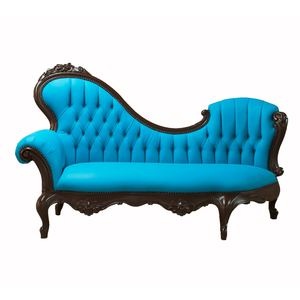
Blue Velvet Chaise
Black mohair velvet upholstery on a regal chair

Mohair velvet is a fabric much sought after by interior designers. It is sold in a wide range of qualities and is sometimes used as a generic term for velvets when, in fact, there are very many differing and sometimes superior compositions available than just those made with ‘mohair’.

Velvet is a type of tufted fabric woven with a warp pile. It has a short dense pile of 3mm or less (‘plush’ has a pile longer than 3mm) and a distinctive feel. During production wires lift the yarn creating small loops which are either cut or left depending on the desired finish. Velvets tend to take colour very well and also tend to be hard-wearing with a high degree of suitability for varied uses; they were typically hard to clean but that problem is mostly solved with modern dry-cleaning.

What’s in a velvet?

Kashmir was probably the birth-place of velvet in the early 1300s but by the 16th Century Bruges had become the leading source of what at the time was a definitive luxury item. Luxury velvets are still made in Europe as well as in Asia.

The original velvets were typically silk velvet. With the passing of time and increasing technical sophistication it has become easily possible to make velvets from many natural and synthetic yarns. At KOTHEA we have velvets at the top end of the quality range made from fine yarns including Linen Velvet, Cashmere-Silk Velvet, Linen Velvet, Cotton Velvet, Wool Velvet and of course Mohair Velvet. Other velvets available in the market have compositions that include polyester, nylon, viscose, acetate or mixtures. Sometimes small amounts of lycra are included to give the fabric stretch.

Mohair & Cashmere Silk Velvet: Testing

Chic-sofaHotels, Yachts and many public places have strict requirements for fabrics both for fire retardancy and wear, usually measured in the UK by an abrasion test (commonly referred to as Martindale or ‘rub test’).  Some of KOTHEA’s Mohair Velvets are highly suitable in such environments with a certified Martindale of 100,000 – which is more than the usual contract requirement of between 20,000 – 30,000.
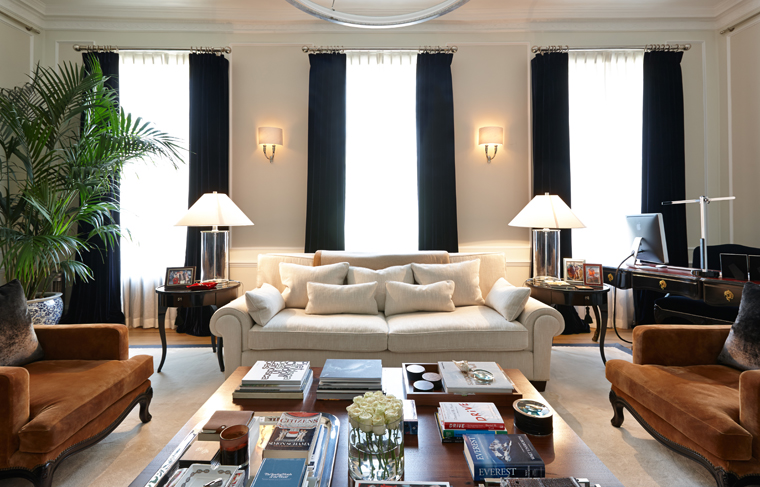
We have many velvets of differing compositions (Silk Velvets, Cotton Velvets, Linen Velvets, etc.) and we were interested to see how one of the velvets, at the very highest end of our range, would perform. So we used SGS to test one of our Cashmere Silk Velvets (75% Cashmere 25% Silk).

The tests were undertaken in accordance with BSEN14455 (based on BSENISO12947) and a result of 13,000 rubs was obtained, which considering the perceived delicacy of the product was fantastic. 13,000 rubs make the product suitable for light usage such as residential.


Directory Listings Of Top Market Fabric Suppliers In The UK

555722790393613763_3d6571c7061dClick the fabric company name for their web site:

Abbot and Boyd 020 7351 9985
Altfield 020 7351 5893
Alton Brooke 020 7376 7008
Borderline 020 7823 3567
Brian Yates 01524 35035
Brunswig 020 7351 5797
Bruno Triplet 020 7823 9990
Chase Erwin 020 8875 7441
Colefax 020 7244 7427
Colony Fabrics 020 7351 3232
Donghia 020 7823 3456
Gainsborough Silk 01787 372081
Henry Bertrand 020 7349 1477
Jab 020 7349 9323
Jane Churchill 020 7244 7427
Jrobertscott 020 7376 4705
KOTHEA 020 8943 4904
Kravet 020 7795 0110
Lee Jofa 020 7823 3455
Lelievre 020 7352 4798
Manuel Canovas 020 8877 6400
Nobilis 020 7351 7878
Pierre Frey 0207 376 55 99
Robert Allen 01494 474741
Sacho Hesslein 020 7352 6168
Silk Gallery 020 7351 1790
Turnell and Gigon 020 7259 7280
Watts Westminster 020 7376 4486
Zimmer and Rhode 020 7351 7115
Zoffany 08708 300 350

Many of these fabric companies sell a wide range of products including: chenille, contract fabric, faux / fake leather, mohair velvet, linen velvet, cotton velvet, wool,  hand woven products, natural silk, cashmere and damask for upholstery, curtains and cushions.