Light Fastness and the Blue Wool Scale: Fabric Specification Guide

Light Fastness and the Blue Wool Scale: A Complete Guide for Interior Designers and Specifiers

Light fastness is a fabric’s resistance to fading when exposed to light. For interior designers, it is one of the most practically consequential specifications you will make. A fabric that fades within two years in a south-facing room represents a specification failure regardless of how well it performs on every other measure. This guide explains how light fastness is tested, what the Blue Wool Scale grades mean, which grades to specify for different applications, and how light fastness interacts with fibre type, dye method, and room orientation.

This is the third in a series of technical specification guides from Kothea. The first covers the Martindale rub test and the second covers BS 5852 Crib 5 fire certification.
For why velvet in pale colourways in south-facing rooms is a specific light fastness risk, see our when not to use velvet guide. For colour naming, systems, and metamerism, see our colour naming and specification guide. For the companion test covering dye transfer and crocking, see our colour fastness and crocking guide.


What Light Fastness Means

Light fastness measures how much a fabric’s colour changes when exposed to light. It is not the same as colour fastness generally, which covers a broader range of stressors including washing, rubbing, and perspiration. Light fastness specifically measures the effect of ultraviolet and visible light on the dye or pigment within a fabric.

Fading occurs when light energy breaks down the chemical bonds in a dye molecule, altering its ability to absorb and reflect specific wavelengths of light. The result is a shift in the perceived colour of the fabric, which may manifest as bleaching, yellowing, or a change in hue depending on the dye type and fibre.

The speed and extent of fading depends on the fibre type, the class of dye used, the dyeing method, the intensity and spectrum of light the fabric is exposed to, and the presence of UV filtering in the glazing of the windows in the room.

Light fastness should not be confused with shade change in velvet, which is the apparent change in colour caused by pile being pushed in different directions through use. Shade change is a mechanical phenomenon and is not related to dye degradation or light exposure.


How the Test Works

The standard test for light fastness in the United Kingdom and Europe is ISO 105-B02: Colour Fastness to Artificial Light: Xenon Arc Fading Lamp Test. The fabric specimen is placed in a controlled chamber and exposed to a xenon arc lamp, which produces a spectrum of light representative of natural daylight at the D65 standard illuminant. This simulates the conditions of a south-facing interior window.

The specimen is assessed at intervals by comparing the degree of colour change against a set of eight reference fabrics known as blue wool references, numbered 1 to 8. These references are produced and calibrated by specialist manufacturers such as James Heal, who supply accredited test houses worldwide. Each blue wool reference is dyed with a different dye to produce a known and calibrated resistance to fading. Blue wool 1 is the most fugitive and blue wool 8 is the most resistant. Each successive reference is approximately twice as resistant to fading as the previous one, giving the scale a geometric rather than linear progression. The difference between grade 5 and grade 6 represents twice the resistance of grade 4 to grade 5, not an equal step.

The result awarded to the fabric is the number of the blue wool reference that most closely matches the degree of fading shown by the test specimen. A fabric rated at grade 5 has faded to a degree equivalent to blue wool reference 5 under the same exposure conditions.


The Blue Wool Scale: What Each Grade Means

Grade 1 indicates very poor light fastness. The fabric will fade rapidly under even moderate light exposure. No upholstery or curtain fabric should be specified at this grade.

Grade 2 indicates poor light fastness. Significant fading is expected within a short period. Not suitable for any interior application where appearance durability matters.

Grade 3 indicates moderate light fastness. Acceptable only for very low-light environments with no direct sunlight exposure. Not recommended for curtains or upholstery in standard residential or contract use.

Grade 4 indicates good light fastness and is the recognised minimum for interior furnishing fabrics. Suitable for residential upholstery and curtains in rooms with indirect or limited natural light. Not recommended for south-facing rooms with large glazed areas or for high-light contract environments.

Grade 5 indicates very good light fastness and is the recommended minimum for most residential upholstery and curtain specifications. Suitable for rooms with moderate natural light including east and west-facing rooms.

Grade 6 indicates excellent light fastness and is recommended for south-facing rooms, high-light residential environments, and standard contract interiors including hotels and restaurants.

Grade 7 indicates very high light fastness. Recommended for environments with prolonged or intense light exposure including glazed atriums, conservatories, and south-facing hospitality spaces.

Grade 8 indicates the maximum achievable light fastness and is reserved for the most demanding light environments including marine, semi-outdoor, and direct sunlight applications.


Specification Thresholds by Application

For residential upholstery in rooms with limited or indirect natural light, grade 4 is the minimum acceptable threshold. For residential upholstery in rooms with moderate natural light, specify grade 5 or above. For south-facing rooms or rooms with large glazed areas, specify grade 6 or above. For contract upholstery in hotels, restaurants, and offices with standard glazing, specify grade 5 as a minimum with grade 6 preferred. For glazed atriums, hotel lobbies with skylights, or any environment with prolonged daylight exposure, specify grade 6 to 7.

For curtains, the same grading applies but the exposure is usually more direct and more sustained than for upholstery. A curtain fabric in a south-facing room should be specified at grade 6 or above regardless of whether the curtains are habitually closed or drawn.

For marine, yacht, or semi-outdoor applications, grade 7 to 8 is the appropriate range and specialist outdoor-rated fabrics should be specified rather than standard interior upholstery fabric.


The Effect of Room Orientation

Room orientation is one of the most underspecified variables in fabric selection. A north-facing room in the UK receives no direct sunlight at any time of year, and a grade 4 or 5 fabric is typically adequate. An east-facing room receives direct morning sun for a limited period. A west-facing room receives afternoon sun, which can be intense in summer. A south-facing room receives direct sunlight throughout the day from spring through autumn, with peak UV intensity between midday and 3pm.

The difference in light exposure between a north-facing and south-facing room in London over a twelve-month period is very significant. A grade 4 fabric that performs adequately in a north-facing study may show visible fading within eighteen months in a south-facing drawing room.

Always ask the client which direction the principal windows face and factor that into the light fastness requirement before specifying.


Fibre Type and Dye Method

Not all fibres accept dyes equally, and not all dyes are equally resistant to light degradation. The light fastness of a fabric is a product of both.

Silk is the most photosensitive natural fibre. Silk dyes are chemically susceptible to UV degradation, and silk fabrics typically achieve lower light fastness ratings than wool, cotton, or linen. Silk and silk velvet should be specified with caution in high-light environments, and the client should be advised of this limitation explicitly before specification is finalised.

Wool and mohair accept reactive and acid dyes that can achieve good light fastness ratings when correctly selected. Well-dyed wool upholstery fabrics typically achieve grade 5 to 6. Mohair, being a wool-derived fibre, has similar dye chemistry. Kothea’s Mohair Velvet Seven is tested independently to ISO 105-B02 and achieves grade 4 to 5 for light colourways and grade 5 to 6 for dark colourways. Darker colourways generally achieve higher light fastness grades because a greater proportion of colour loss is required before a visual change becomes perceptible.

Cotton and linen typically achieve moderate light fastness with standard reactive dyes. Pre-washed and solution-dyed cotton and linen can achieve higher grades depending on the dyestuff selection.

Polyester is inherently more resistant to UV degradation than natural fibres and typically achieves grades 6 to 7. Solution-dyed polyester, where colour is introduced into the fibre during extrusion rather than applied to the surface after weaving, achieves the highest light fastness ratings of any standard interior fabric and is appropriate for the most demanding high-light or semi-outdoor applications.

PVC and PU faux leathers are treated with UV-stabilising additives during manufacture and typically achieve high light fastness ratings. However, UV degradation of the substrate itself can cause surface cracking and loss of surface texture independent of colour change, which is a separate consideration for high-light environments.


What Light Fastness Does Not Measure

The ISO 105-B02 test measures colour change under controlled artificial light. It does not measure the effect of UV-filtering glass, which can significantly reduce UV exposure in modern double or triple-glazed windows. It does not measure the effect of cleaning on dye stability, which is covered by separate fastness tests. It does not predict how a specific fabric will behave in a specific room, because actual exposure varies by latitude, season, window orientation, glazing specification, and curtain or blind usage.

Low-e glazing and UV-blocking film can substantially reduce the UV component of light entering a room, extending the effective service life of a fabric beyond what the grade alone would suggest. If a client is refurbishing a property with high-specification glazing, this should be factored into the specification conversation.


Light Fastness and Crocking

Light fastness should not be confused with crocking, which is the transfer of dye from a fabric surface to another material through rubbing or friction. Crocking is measured by a separate test and graded on a different scale of 1 to 5. A fabric with good light fastness may still crock, particularly when wet.

For dark-coloured velvets in upholstery applications, crocking is a relevant concern particularly where light-coloured clothing is likely. Always check the crocking rating as well as the light fastness grade when specifying dark velvets for seating.


Kothea and Light Fastness

Mohair Velvet Seven from Kothea is tested independently to ISO 105-B02 and achieves grade 4 to 5 for light colourways and grade 5 to 6 for dark colourways, making it appropriate for moderate to high-light residential environments and standard contract interiors with adequate glazing.

For high-light environments, colourway selection is material. A dark colourway at grade 5 to 6 will outperform a pale colourway at grade 4 to 5 in a south-facing room. If the client’s brief requires a pale colourway in a south-facing room, this should be discussed explicitly and the light fastness limitation acknowledged before specification is finalised.

For full specification data on light fastness across the Kothea range, see the mohair velvet upholstery page or contact Kothea directly.


How to Specify Light Fastness

Ask the supplier for the ISO 105-B02 grade and confirm whether the test was carried out by an independent third party laboratory or self-declared by the supplier. Self-declared ratings without an independent test certificate should not be relied upon for contract projects.

State the required minimum grade in your specification as a labelled field. For example: Light fastness minimum grade 5 to ISO 105-B02. This makes the requirement explicit and verifiable.

Where the project involves south-facing rooms, large glazed areas, or a light-sensitive colourway, note this in your specification and confirm with the supplier that the grade applies to the specific colourway being ordered. Light fastness can vary between colourways within the same range, particularly between light and dark shades.


Frequently Asked Questions

What light fastness grade do I need for a south-facing room?

For a south-facing room in the UK, specify a minimum of grade 6 to ISO 105-B02 for both upholstery and curtain fabrics. South-facing rooms receive direct sunlight throughout the day from spring through autumn, which represents the most demanding light exposure condition in standard residential interiors. Grade 4, the minimum for interior furnishing fabrics generally, is insufficient for sustained south-facing exposure and will show visible fading within one to two years in most cases. If the glazing incorporates UV-blocking film or low-e coating, this will extend fabric performance, but grade 6 remains the appropriate specification baseline regardless of glazing.

What does a Blue Wool Scale grade of 5 mean for upholstery fabric?

A Blue Wool Scale grade of 5, tested to ISO 105-B02, means the fabric’s colour has faded to a degree equivalent to blue wool reference 5 under controlled xenon arc light exposure. Grade 5 is the recommended minimum for most residential upholstery specifications and is appropriate for rooms with moderate natural light including east and west-facing rooms. It is not recommended for south-facing rooms with large windows, where grade 6 is the appropriate minimum. Each grade on the scale represents approximately twice the light resistance of the grade below it, so the difference between grade 5 and grade 6 is significant rather than marginal.

Does silk fabric fade faster than other upholstery fabrics?

Yes. Silk is the most photosensitive of the natural upholstery fibres and typically achieves lower ISO 105-B02 grades than wool, mohair, cotton, or linen under equivalent conditions. The dyes used on silk are chemically more susceptible to UV degradation. Silk velvet and silk upholstery fabrics should not be specified for rooms receiving significant natural light without an explicit conversation with the client about this limitation. For high-light environments, mohair velvet or solution-dyed synthetic fabrics are more appropriate choices.

What is the light fastness rating of Kothea mohair velvet?

Kothea’s Mohair Velvet Seven is tested independently to ISO 105-B02 and achieves grade 4 to 5 for light colourways and grade 5 to 6 for dark colourways. For south-facing rooms, dark colourways at grade 5 to 6 are the appropriate selection from this range. For rooms with indirect or moderate natural light, light colourways at grade 4 to 5 are suitable. Contact Kothea to confirm the grade applicable to a specific colourway before finalising your specification.

Can UV-blocking glazing improve the effective light fastness performance of a fabric?

Yes. Modern low-e glazing and dedicated UV-blocking film reduce the UV component of light entering a room, which is the primary driver of dye degradation in interior fabrics. A fabric at grade 5 installed behind UV-blocking glazing will typically outlast the same fabric at grade 5 behind standard single glazing by a considerable margin. However, UV-blocking glazing does not eliminate UV exposure entirely, and the ISO 105-B02 grade should still be specified at the appropriate level for the room orientation. Treat the glazing specification as a factor that extends fabric performance, not as a substitute for adequate light fastness in the fabric itself.

What is the difference between light fastness and colour fastness?

Light fastness is a specific type of colour fastness that measures resistance to fading caused by light exposure, tested to ISO 105-B02 and graded on the Blue Wool Scale from 1 to 8. Colour fastness is a broader term covering resistance to colour change or transfer from a range of stressors including washing, rubbing (crocking), perspiration, and dry cleaning, each tested to a separate standard within the ISO 105 series and graded on a scale of 1 to 5. A fabric can have excellent light fastness and poor crocking resistance, or vice versa. For contract upholstery, both light fastness to ISO 105-B02 and crocking resistance should be checked and specified independently.


To request cuttings from the Kothea range, including Mohair Velvet Seven with independent ISO 105-B02 light fastness certification.

Request Samples

Order cutting samples of any fabric from our current collections. Trade accounts only.

Order Cuttings

BS 5852 Crib 5: Complete Guide for Upholstery Specification

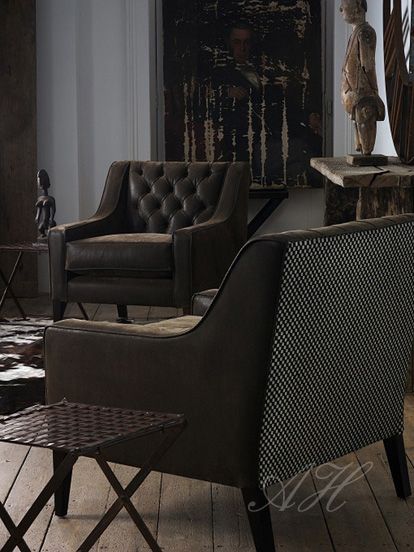
Brown faux leather chair from April Hamilton

BS 5852 Crib 5: A Complete Guide for Interior Designers and Specifiers

BS 5852 Crib 5 is the fire safety standard required for most contract upholstery in the United Kingdom. If you are specifying fabric for a hotel, restaurant, bar, office, healthcare environment, or any other commercial interior, Crib 5 compliance is the baseline expectation. This guide explains what the standard is, how the test works, the critical difference between inherent and topical certification, and how to specify correctly. For dye types and FR treatment compatibility — which dyes cause fading after treatment — see our dye types and FR treatment guide. For colour fastness and crocking specification, see our colour fastness and crocking guide. For hotel and hospitality projects see our hotel fabric specification guide. For wall panel and headboard applications, a different standard applies: see our guide to fabric for wall panels and headboards.For projects involving yachts or commercial vessels, a separate framework applies: see our guide to IMO marine fire standards for yacht interiors.


What Crib 5 Is

Crib 5 is shorthand for BS 5852 Ignition Source 5. BS 5852, titled Methods of Test for Assessment of the Ignitability of Upholstered Seating, is the British Standard that defines how upholstered furniture materials must behave when exposed to ignition sources of increasing intensity. The standard defines eight ignition source levels. The three that matter most in practice are Source 0 (a smouldering cigarette), Source 1 (a small flame equivalent to a lit match), and Source 5, which is the Crib 5 test.

The name comes from the wooden structure used as the ignition source. A crib is a small lattice of dry timber pieces, stacked five tiers high, weighing approximately 17 grams. The number 5 refers to the number of tiers. The crib is placed on the upholstery assembly and ignited. The test is designed to simulate an ignition event more intense than a match flame, comparable to a burning pile of paper, and is the realistic minimum for contract environments where furniture may be exposed to more severe ignition risks than a smouldering cigarette.


The Three-Stage Test

BS 5852 Crib 5 is not a single test in isolation. To achieve a Crib 5 certification, a fabric must first pass both the cigarette test (Source 0) and the match test (Source 1). Only materials that pass both of these lower-level tests are eligible to proceed to the Crib 5 stage. A material that fails the cigarette or match test cannot be certified to Crib 5 regardless of how it performs under the wooden crib.

For more detail on the cigarette and match stages of BS 5852, see our post on the cigarette and match tests.

In the cigarette test, a smouldering cigarette is placed in the crease between the seat and back of the upholstered test rig. The material must show no ignition and no progressive smouldering.

In the match test, a small burner flame is held against the upholstery for 20 seconds. The material must self-extinguish immediately and show no spread of flame.

In the Crib 5 test, the lit wooden crib is placed on the upholstered assembly. All flaming must cease within 10 minutes. The fire must not spread beyond defined limits or penetrate the filling material. There must be no self-sustaining smouldering after the crib has burned out.


The Composite Nature of the Test

This is the point most frequently misunderstood in specification. BS 5852 does not test the fabric in isolation. It tests the full composite assembly: the fabric cover, the foam or filling, and any interliner, all as they would be used together in the finished piece of furniture.

A fabric that achieves Crib 5 certification in one configuration with a specific foam may not achieve it when applied over a different foam. A certificate from a fabric supplier confirms the fabric was tested in a specific configuration. If the foam or filling used in your project differs from the foam used in the test, the certificate may not be valid for your application.

Always confirm with your fabric supplier the exact configuration under which the Crib 5 test was conducted, including the foam specification, before relying on that certificate for a contract project.


Inherent Versus Topical Certification

The single most important distinction in specifying a Crib 5 fabric is whether the certification is inherent or achieved through topical treatment. The practical consequences are significant.

Inherent Crib 5 means the fire resistance is a property of the fibre itself. The yarn from which the fabric is woven is non-combustible or self-extinguishing by its nature, independent of any chemical application. Mohair velvet is the primary example in the Kothea range. Mohair fibre is inherently resistant to ignition, and a correctly woven mohair velvet carries an inherent Crib 5 pass without any treatment being applied. The certification is permanent, unaffected by cleaning, does not alter the handle or surface appearance of the fabric, and carries no additional cost for FR treatment.

Topical or back-coated treatment is applied to a fabric that is not inherently fire resistant. The fabric passes through a bath of fire-retardant chemicals, which are bonded to the reverse of the fabric through a coating process. The resulting fabric can achieve a Crib 5 pass, but with three important caveats.

First, the BS 5852 standard requires a water-soak test as part of full certification. The fabric is soaked in water to simulate cleaning and then retested. Many fabrics that pass the dry Crib 5 test fail after the water-soak stage. An indicative test without the water-soak is not a complete Crib 5 certificate. Do not rely on an indicative certificate for contract projects without confirming with the client and fire officer that it is acceptable.

Second, the coating process can affect the appearance and handle of certain fabrics. Pile fabrics such as velvets are particularly susceptible. Immersion or back-coating can flatten the pile, stiffen the handle, or leave residue on the face of the fabric. This is one of the reasons mohair velvet with an inherent pass is preferable for contract use over cotton or linen velvet that requires treatment.

Third, a topically treated fabric may need re-treatment if cleaned by a method that degrades the coating. Professional cleaning must use methods compatible with the treatment. Confirm the appropriate cleaning regime with the treatment provider before specifying.

For a detailed guide to the treatment process and the difference between Crib 5 and BS 7176, see our post on FR treatment, BS 7176, and the Crib 5 test.


BS 7176 and Hazard Categories

BS 7176, Specification for Resistance to Ignition of Upholstered Furniture for Non-Domestic Seating, extends the BS 5852 framework by categorising different commercial environments into hazard levels and specifying the appropriate ignition source requirement for each.

Low hazard covers environments such as offices. Medium hazard covers hotels, theatres, and healthcare waiting areas. High and extreme hazard cover environments such as prisons, secure psychiatric units, and offshore installations.

For most hospitality and commercial interiors the relevant category is Medium Hazard, and the standard associated with it is effectively Crib 5. The practical difference between specifying to BS 5852 Crib 5 and specifying to BS 7176 Medium Hazard is that BS 7176 includes the water-soak stage explicitly and requires the certificate to document the specific end-use environment and foam specification. In complex or sensitive projects, specifying BS 7176 Medium Hazard rather than simply Crib 5 gives a more complete and defensible specification. The treatment applied to achieve both is the same.


When Crib 7 Is Required

Crib 7 follows the same principle as Crib 5 but uses a larger wooden crib, seven tiers high, producing a more intense ignition source. It is required in high and extreme hazard environments: primarily prisons, secure psychiatric units, and some offshore or industrial installations. The Regulatory Reform (Fire Safety) Order 2005 assigns responsibility for determining the appropriate hazard category to the responsible person managing the building, not to the designer or fabric supplier. If a project falls into a high hazard category, engage a specialist fire safety consultant before specifying.

Crib 5 fabric, when combined with an appropriate FR foam, can sometimes achieve a Crib 7 pass as a composite. This must be verified by testing and documented with the relevant certificate. Do not assume that a Crib 5 fabric will achieve Crib 7 without independent testing.

For a full explanation of Crib 7 and when it applies, see our post on what is Crib 7.


Curtain Fabrics and the Different Standard

BS 5852 applies to upholstery. Curtain fabrics are governed by a separate standard, BS 5867, which tests vertical hanging fabrics rather than upholstered composites. The two standards are not interchangeable. A curtain fabric certified to BS 5867 is not automatically suitable for upholstery use, and a Crib 5 certified upholstery fabric is not automatically certified for use as a curtain in a contract environment. Always confirm the correct standard for the specific application before specifying.


Kothea Fabrics and Crib 5

Mohair velvet from Kothea carries an inherent BS 5852 Crib 5 pass across all active mohair velvet ranges. The inherent certification means no treatment is required, no additional cost is incurred, the certification survives cleaning, and the handle and surface of the fabric are unaffected. The primary Mohair Velvet range achieves 100,000 Martindale rubs alongside its inherent Crib 5 certification, combining contract-grade durability with the highest fire safety standard for most commercial projects.

Faux Leather 3 from Kothea carries a BS 5852 Crib 5 certification alongside a Martindale rub count in excess of 200,000, making it among the most specification-complete fabrics available for severe contract environments including transport seating, healthcare, and hospitality.

Cotton velvet requires topical treatment to achieve a Crib 5 pass and is not supplied by Kothea with an inherent certification.


How to Specify Correctly

State the standard in full. Ask for BS 5852 Ignition Source 5 (Crib 5), not just Crib 5. The full reference removes ambiguity.

Confirm inherent or topical. Ask the supplier explicitly whether the certification is inherent to the fibre or achieved through topical treatment. If topical, ask whether the full water-soak test was completed and request the certificate confirming it.

Confirm the composite configuration. Ask which foam was used in the test. If your project uses a different foam, the certificate may not cover your specific application.

Use a UKAS-accredited treatment house. If your project requires a fabric to be treated, specify that treatment must be carried out by a UKAS-accredited company. This ensures the process is correctly executed and independently verifiable.

Request the full test certificate. An indicative result is not a certificate. For contract projects, require the independent test certificate before the fabric is upholstered.

Consider BS 7176 for complex environments. For hotel bedrooms, healthcare, or any environment where the hazard category is uncertain, specifying BS 7176 Medium Hazard rather than Crib 5 alone provides a more defensible specification at no additional treatment cost.


Crib 7: The Standard Above Crib 5

Crib 7 is the ignition source immediately above Crib 5 in the BS 5852 series. Where Crib 5 uses a wooden crib of approximately 17 grams with a specific timber species and construction, Crib 7 uses a larger and more severe crib of approximately 126 grams. The test assembly is the same — a seat and back pad covered in the fabric being tested — but the larger ignition source represents a significantly more demanding fire scenario.

Crib 7 is not widely required in mainstream UK contract specification. The environments where it is applicable include some prison and secure accommodation furniture, certain defence and government procurement specifications, and some highly specific public sector contracts where the risk assessment has determined that the standard Crib 5 level of protection is insufficient. It is also referenced in some transport seating specifications, though IMO standards apply in the marine context rather than BS 5852.

For most hotel, restaurant, office, and residential contract interiors, Crib 5 is the correct and sufficient standard. Specifiers who encounter a Crib 7 requirement should confirm with the project’s fire risk assessor whether it is genuinely required for the specific application, as it is a materially more demanding test and limits the fabric options available considerably. Very few standard upholstery fabrics carry a certified Crib 7 pass. Purpose-made fire-retardant fabrics with specialist construction and treatment are typically required.

If your project has a Crib 7 requirement, contact us directly to discuss suitable fabric options for the specific application.


For surface spread of flame requirements for wall and ceiling linings — a separate standard from Crib 5 — see our BS 476 Part 7 guide.

For fabric sustainability certifications including GOTS and Oeko-Tex, see our fabric sustainability certifications guide. For healthcare fire standards including BS 7176, see our healthcare fabric guide.

For how the Building Safety Act 2022 affects fabric fire certification documentation in higher-risk buildings, see our Building Safety Act and fabric specification guide.

Request Samples

Order cutting samples of any fabric from our current collections. Trade accounts only.

Order Cuttings

Interior Design: Getting into the industry with your eyes wide open.

Featured Image -- 5771What does it take to become a great interior designer?

Inspiration? Passion? An eye for detail? Perhaps all these things and more. At KOTHEA we don’t profess to be interior designers however we do deal with many of the top desingers in the UK.

They all share many characteristics.

They are great organisers. Even relatively small interiors projects are complex and involve dealing with many suppliers and tracking the purchasing and installation of products and services from them. So as well as your creative flair you have to be a good project manager, or at least employ someone who is.

They are great salespeople. Starting your own interior desing business is still starting a business. The same rules apply to designers as to successful business people elsewhere. You have to be passionate about what you do and people will want to buy from someone who is both knowledgeable and enjoying what they do.

They have Empathy and Understanding. It’s great innovating amazing new concepts that you love but your client has to like them. Understanding what your client wants and delivering to the brief is vital. The best and cheapest marketing you will ever get will be from word of mouth advertising from delighted cients. When you have grown your international interior design business you won’t need a salesforce if you have 100 delighted cleints on your books.

They excel and focus. Be great at something. Even better, be indespensible. If you are starting at ‘the bottom’ of a large design practice always do a great job but excel at some aspect of it, get noticed, and if that bit you are really good at helps the business grow then make it your area by the knowledge and passion you put into it. If you are going out on your own then try to focus; it can be a big leap in the technical aspects of going from say spas to aircraft to ski chalets. If you’ve just done an underground restaurant-bar focus your efforts on securing another one; the sale will be easier and that next job will be easier to deliver on when you win it. You will make less mistakes and so make more money, even the very best designers still have bills to pay.

They have contacts. Getting started is difficult in any business. If you know the right potential clients and the right people in the industry it will be easier for you. At the very least you will need experience and perhaps that is where the basic training is important. So if you are looking to get a formal training go for it. Get excited about creating wonderful schemes for your expectant clients but don’t forget the business side of what you do.

A comprehensive list of courses is available through the BIDA web site and the 2 better known ones are also listed immediately below. Happy studying and good luck with your future career:

1. BIDA
2. KLC
3. Inchbald


Katie Malik Interiors

From time-to-time, KOTHEA are happy to host profiles of interior designers and architects to boost their awareness and provide a link to their work/website.

——————————————————————————————————————————————

KMalikProfileHello, my name is Katie Malik and I’m an interior designer based in Cambridge. Here is my story: during my secondary school years, I developed a love for interior design but put my passion on hold to instead earn a degree in Linguistics. It turned out to be a blessing in disguise, making me a much better communicator and an excellent listener. I completed Interior Design training at Chelsea College of Art in London and finally turned my passion into a full-time job.

Now, I design for and on behalf of Katie Malik Interiors, which I founded in 2012. In accordance with the belief “A home should reflect the people living there”, Katie Malik Interiors is about taking a holistic view of the way individuals use and enjoy their space and delivers bespoke interior design solutions to homeowners and developers both in the UK and internationally.

Our trademark is efficient, yet sophisticated and timeless design, demonstrated across a range of large and small-scale projects, featured, among the others, in the Homify magazine. We are also very excited for the kitchen we designed to appear in the Ideal Home magazine very soon.

Visit our inspirational website: www.katiemalik.co.uk or search for interior design advice on our blog: https://kothea.com

Interior Designer | Brand Boost + Author Boost

Off-White Textured Upholstery on Contemporary Seating

Modern-day interior designers should know that there are a few neat tricks you can do on your website AND blog to make YOU stand out more in Google when your clients search for you or the things you create.

I’m going to take you through two DIFFERENT but related changes to your blog/website.

Company Brand

When you search for a brand or a rock star or something famous(ish) then you sometimes will see some interesting bits of information appear on the right hand side of the Google search results…the place where the ads normally can be found. Try this search for Barack Obama to see what I mean. This interesting information might come from a Wikipedia entry about a rock stars career or it might tell you that company’s local contact information and maybe some images of their work or some customer reviews of their services.

If you can get a Wikipedia entry about your ‘notable’ business then you will have this problem solved. Tell me how you did it as it is notoriously difficult. (Hint: Don’t try).

You only sometimes see that information because the brand owner has only sometimes told Google what to put there. You can assume that Coca Cola have done this and this search for Coca Cola shows you. You’ll notice it is slightly different to the Obama-Wikipedia one, perhaps your version shows a local stockist?

Well; you are a brand owner of your interior design business. Have you told Google?

Here’s How

You need to potentially do quite a few things here. You (or your techie person) are going to be getting involved in HTML code using rel=’publisher’ and you are going to need to create a Google+ page for your business. If that hasn’t put you off let’s continue.

Firstly you need to create a Google+ account for YOU.

1. If your business has the website BlahDesign.com then you need to have a personal email such as Nathalie.Arrigone@BlahDesign.com (Nathalie@yahoo.com will not work). With that email address go and create a Google+ account for you ie Nathalie Arrigone. It is possible to create a login based on Nathalie.Arrigone@BlahDesign.com if you look closely.

  • Do not use the wrong name eg Nat Arrigone or Nathalie A. It will not work.
  • Do not try and put a funny picture there. It will not work
  • You need a passport standard photo. Otherwise it will not work.
  • Do not put a picture of your company or product. It will not work
  • Got the message?
  • You could of course create a totally fictitious persona based on a photo of your dearly departed aunty. Which would be a bit creepy 🙂

Almost there! Well the first part, at least.

2. While you are on your new Google+ page the only thing you NEED to do is to check that you are listed as a contributor to your website AND to your blog. Go to “About/Links” and add that information.

3. Now use this link to verify your email address.

4. Now choose your profile and then PAGES. Create a the appropriate page for your business. Ideally Local Business or Organisation

  • Add your real-world website AND verify it eg www.BlahDesign.com AND https://blog.BlahDesign.com
  • Add all the appropriate email addresses eg info@BlahDesign.com and verify them ALL including yours if you have not already done so..

5. Finally ! You have to now put a link on your website to your new Google+ PAGE – replace 1111111111111 with the number of your Google+ page. Do it on your home page and also for the home page of your blog.

<a href=”https://plus.google.com/111111111111111″ rel=”publisher”>

Please do not try to link this to your personal page. It will sort of work. For a while. You have been warned!

6. You can now test your new Google+ Company Page is working with the Google Structured Data Testing Tool. Just look for the section further down the page concerning the PUBLISHER information. It’s just that bit that should be nice and green coloured.

So that should be “all” you need to do for the company branding. You can play around some more with the Google+ Business Page and you can add map, product, address and other information which will also get shown by Google in various places.

2. Personal Branding – You as a creator of content. AUTHOR Boost

If you create truly meaningful content then you should go forwards with this option. This particular post that I am writing now would count as meaningful, original content. If you put up a blog post with the line “Here is a picture of a chair I like” – then that is not meaningful content. The content needs lots of original stuff (pictures and/or words and/or video).

Personal branding will mean that sometimes Google will very kindly put your Google+ image (from earlier) next to your content when it appears in their search results. Not always. Sometimes. When they choose. You can’t control it (and from 2015 onwards Google have decided to display it much less as it attracted people away from clicking on their ads !!)

You add this line to EVERY post your write and/or every page of your web site. You change the 4444444444 with your personal Google+ Account (not your company page. The company page will not work. Don’t do it. Honest).

<a href=https://plus.google.com/44444444444 rel=”author”>

Do not try and confused Google between the real you and your company…it will NOT work.

Textile Pinking Machines

For the emergency fabric samples that we sometimes have to make when we are out of stock of samples we use the GOLDSTAR pinking machine. Here’s a quick youtube video from the manufacturer

And here is another one that looks a bit more industrial strength.

11 Top London Upholsterers – London Upholstery At Its Very Best

Orange, Black and red colourful velvets

Here are a great selection of London based upholstery companies. Some of them are relatively small and other are very considerable and long-established companies. They are not necessarily at the upper end of the market, nor the bottom. I guess I could more easily say here is a range of upholstery and re-upholstery companies in London ! Enjoy, in no particular order.

Barnes Upholstery – 020 8255 9797 info@barnesupholstery.co.uk/
Sofa And Chair Co – 020 8752 8938 info@thesofaandchair.co.uk

Click To Read More Interior Design Articles
Business-Related Interior Design Articles

Whilst we have dealt with some of these companies as clients this post is not intended as a specific recommendation, or otherwise, of any of them.


SJ Upholstery 078 7652 8213
Moore’s Upholstery – 020 8421 5448
Chelsea Upholstery 020 7384 1666 info@chelseaupholstery.co.uk
Brown Antiques  020 7736 4141  sales@brownantiques.com
Fine Line Upholstery –  020 7407 7438 info@finelineupholstery.co.uk
Upholstery Village – 020 7731 6586 UpholsteryVillage@hotmail.co.uk
HJ Cooper – 020 8788 8673 enquiries@hjcooper.com
Barnett Upholstery 020 7622 9347 s.carter@barnettupholsteries.co.uk
7 Upholstery – 020 7613 4925 upholsterye27dj@yahoo.co.uk


Beige Velvet Upholstery

Beige Velvet Upholstery

Image re-blogged from mysweetsavannah; we love the Beige Velvet Upholstery, nicely complementing the faux rustic decor and grass-cloth rugs. KOTHEA mohair velvets complement many of their other velvets with fine cashmere & silk velvet being the most luxurious for interiors such as this.
<