
Fabric hand: The complete tactile character of a fabric — softness, smoothness, warmth, weight, resilience, and drape — assessed by touch and handling.
Why it matters for specification: Hand determines client satisfaction in use more than any other property. A fabric with outstanding technical credentials that feels wrong will generate complaints regardless of its Martindale count or fire rating.
Why it changes: Hand is not fixed. It changes with use, cleaning, humidity, and age — often in ways the specifier did not anticipate.
The communication problem: Hand is subjective and vocabulary-dependent. What one designer calls soft another calls flimsy. Physical samples under agreed conditions are the only reliable basis for client approval.
Every fabric specification involves a tactile decision. A designer handling a sample in a showroom is simultaneously assessing Martindale performance, fire behaviour, cleaning compatibility, and light fastness — but the hand of the fabric is what drives the immediate emotional response and, ultimately, the client’s satisfaction in the finished room. This guide explains the components of fabric hand, the technical factors that produce them, how they differ between the upholstery fabrics most relevant to interior designers, and how hand changes over time in contract use.
The Components of Fabric Hand
Fabric hand is not a single sensation. It is a composite of several distinct tactile properties that combine to produce the overall character a designer or client experiences when handling a fabric. The Kawabata Evaluation System, developed by Japanese researcher Sueo Kawabata in the 1970s and still used in textile research, identifies the primary measurable components of hand as tensile and shear properties, bending stiffness, compression, and surface friction and roughness. For interior designers, these translate into the following practical descriptors.
Softness. The sensation of yielding under gentle pressure. Softness in upholstery fabric is primarily determined by fibre fineness, yarn twist, and pile height or density. Cashmere and fine mohair are the reference points for extreme softness at the top of the market. The softness of a fabric sample held in a showroom is not the same as the softness experienced by a person sitting on upholstered furniture — the filling and construction beneath the fabric significantly affects the perceived softness of the finished piece.
Smoothness. The absence of surface irregularity perceived by a finger drawn across the cloth. A high-lustre mohair velvet in the direction of the pile is extremely smooth — the pile fibres present a continuous, low-friction surface. Against the pile, the same fabric reads as rough because the finger is working against the fibre tips. This directional character of velvet pile is one of the most distinctive tactile experiences in upholstery and the source of the characteristic shading that makes velvet visually responsive to touch and movement.
Warmth. The thermal sensation when the fabric is first touched. Natural protein fibres — wool, mohair, cashmere — feel warm because they are poor thermal conductors; they do not draw heat away from the skin rapidly. Linen and cotton feel cooler to first touch because they conduct heat more readily. Synthetic fibres typically feel neither particularly warm nor particularly cool. This thermal character affects how a fabric is perceived in a room — a pale linen velvet reads visually warm but feels distinctly cooler to the touch than a pale mohair velvet of similar colour.
Weight. The sense of substance when the fabric is lifted or handled. Weight is a function of fibre density, pile height, and the construction of the backing. A heavy fabric suggests durability and permanence. A very light fabric in upholstery can feel insubstantial regardless of its actual Martindale count. Clients frequently conflate weight with quality, which is not always correct but is a consistent perception.
Resilience and recovery. How quickly a fabric returns to its original state after deformation — whether from sitting, pressure, or creasing. Wool and mohair have excellent resilience due to the natural crimp structure of the fibre. When compressed, the crimped fibre springs back. Cotton and linen have lower resilience and are more prone to retaining the impression of pressure over time. This is the difference between a velvet that springs back from a hand impression and one that retains it.
Drape. How a fabric falls and hangs under its own weight when not under tension. Drape is distinct from hand in the technical sense — hand is assessed by touch, drape is observed visually — but the two are closely related. A fabric with low bending stiffness and good weight distribution drapes fluidly. A stiff or heavily backed fabric drapes rigidly. Drape matters most for curtains, where the fall of the fabric in pleats or folds is a primary aesthetic criterion, and for loose upholstery covers where the fabric must conform to curves without puckering.
How Fibre Type Determines Hand
Mohair. The most distinctive hand of any upholstery velvet. The long, smooth, lustrous fibre of the Angora goat produces a pile that is simultaneously slippery and warm — a combination that is immediately identifiable and unlike any other fibre. Running a hand across mohair velvet in the direction of the pile produces almost no friction. Against the pile, the sensation changes to a gentle resistance as the finger lifts the pile tips. The warmth is a protein fibre characteristic. The lustre — visible as directional sheen — is a function of the fibre’s smooth surface, which reflects light rather than scattering it. Mohair velvet is also highly resilient: the pile recovers from pressure quickly, which is why marks from cushions or hands disappear more readily than on cotton velvet.
Cotton velvet. Warmer in appearance than in touch — cotton is a cellulosic fibre and feels slightly cooler than mohair at first contact. The pile is less smooth than mohair because cotton fibres have a more irregular surface than the smooth mohair filament. The drape of cotton velvet is slightly heavier and less fluid than mohair of equivalent pile height. Recovery from pressure is slower and less complete than mohair, meaning crush marks and sitting impressions are more persistent. The handle is soft and pleasant but lacks the distinctly slippery warmth of mohair.
Linen velvet. The most textural of the natural-fibre velvets. Linen fibre has a natural irregularity — the slight variation in diameter along the fibre length — that gives linen velvet a subtly uneven, natural surface unlike the smooth pile of mohair or cotton. The handle is pleasantly dry and cool, which reads as fresh and natural in residential contexts. Linen velvet is less forgiving of pressure marks than mohair and has less resilience. The textural quality is its aesthetic strength: no other velvet has quite this character.
Silk velvet. The most luminous pile of any velvet, with a surface that produces an almost liquid quality of light and shadow. The handle is extremely fine and light — silk velvet feels almost insubstantial compared to mohair or cotton of similar pile height because the fibre itself is much finer. The drape is exceptional: silk velvet falls in deep, fluid folds. The surface is cool to the touch. The fragility of silk velvet — its low abrasion resistance and light fastness — means these tactile qualities are experienced in a context of care and limited use rather than everyday handling.
Cashmere. The reference point for extraordinary softness. The fineness of the cashmere fibre produces a sensation of enveloping warmth and cloud-like softness that no other fibre replicates at the same fineness level. Cashmere velvet — or cashmere-silk velvet blends — is soft to a degree that reads as almost ineffably luxurious. The hand is the primary reason for specifying cashmere; the durability, fire rating, and light fastness are secondary considerations because cashmere fabrics are used where tactile experience is the specification criterion.
Faux leather (PVC). A distinctive hand that communicates durability and cleanability but not warmth or softness. High-specification PVC faux leather has a smooth, slightly firm surface with very low friction. It does not breathe and retains warmth in sustained contact, which is perceived positively in cool environments and negatively in warm ones. The absence of pile or weave texture means there is no directional quality — the hand is the same in all orientations. Clients who have not handled high-quality PVC faux leather before may be surprised by how closely it approximates real leather in surface quality while feeling quite different in temperature and breathability.
Linen (flat-woven). A characteristic cool, slightly dry, slightly rough hand that is immediately identifiable. The natural fibre irregularity is more apparent in flat-woven linen than in linen velvet because the warp and weft structure exposes the fibre surface directly. Linen softens noticeably with use and washing — a new linen upholstery fabric has a crisper, slightly papery quality that relaxes into a softer, more lived-in character over months of use. This evolution of hand is a feature of linen that distinguishes it from synthetic fabrics whose hand is essentially fixed at manufacture.
How Construction Affects Hand
The fibre type is the primary determinant of hand but the construction amplifies or modifies it significantly. Two mohair velvet fabrics from the same fibre can have notably different hands depending on pile height, pile density, backing construction, and finishing.
Pile height affects softness and depth of hand. A longer pile produces a deeper, more enveloping sensation on contact but is more susceptible to crushing and directional disturbance. A shorter, denser pile has a firmer, more controlled surface feel and better resilience to pressure marks. Contract mohair velvets are typically specified with a pile height that balances tactile quality against durability in use.
Yarn twist affects surface smoothness and resilience. Higher-twist yarns produce a firmer, less soft surface but better resilience and reduced pilling tendency. Lower-twist yarns produce a softer, more open pile but may pill more readily and show pressure marks more easily.
Backing construction affects drape and weight. A woven cotton backing gives mohair velvet a firmness and body that supports upholstery construction. A knitted backing produces a more fluid drape. The weight of the backing influences how the fabric behaves when draped over a furniture frame before upholstering — a heavier backing is easier to work with but reduces drape.
Finishing processes — steaming, brushing, and setting — affect the final pile character. A well-finished mohair velvet has a uniform pile direction and a consistent sheen. A poorly finished velvet may show irregular pile direction and uneven surface character even before use.
How Hand Changes Over Time
The hand of an upholstery fabric changes through use in ways that are often not communicated to clients at the point of specification.
Velvet pile flattens in areas of sustained pressure and friction. This is an inherent characteristic of all pile fabrics and is not a fault. In upholstery, the seat area and armrests experience the most pile compression. Mohair velvet recovers well between uses because of the fibre’s natural resilience. Cotton velvet recovers less completely and may show a permanent difference in pile character between heavily and lightly used areas over time. This flattening changes both the tactile and visual character of the fabric — a compressed pile has a different sheen and a different feel from the undisturbed pile on the sides and back of the same piece.
Linen softens with use. A flat-woven linen upholstery fabric has a firmer, slightly papery quality when new that relaxes progressively as the fibres are worn in by use and by the natural absorption and release of atmospheric moisture. This softening is a feature of linen, not a failure. Clients who specify linen upholstery should be informed of this evolution so they are not surprised by the difference between a new piece and a two-year-old piece in the same fabric.
Synthetic fabrics maintain their hand more consistently over time than natural fibres because the polymer structure does not change with use or moisture in the same way. This consistency is an advantage in contract environments where uniformity across a large installation is commercially significant — a hotel that replaces chairs over time needs the new chairs to match the existing ones.
Cleaning affects hand. Dry-cleaned velvet that is cleaned correctly retains its pile character. Velvet that has been wet-cleaned incorrectly may show permanent pile distortion. Faux leather cleaned with incompatible products may show surface dulling or tackiness. When specifying any fabric where hand quality is commercially significant, ensure the recommended cleaning method is part of the client briefing.
Communicating Hand to Clients
Hand is the most subjective dimension of fabric specification and the one most prone to miscommunication between designer and client. A designer who describes a fabric as soft may mean something entirely different from what the client hears. The only reliable communication tool is a physical sample handled by the client under realistic conditions.
Show samples in the context of the finished room wherever possible. A fabric sample held in isolation in a showroom is assessed against the client’s existing mental reference points. The same sample in a furnished room, against the paint colour and flooring of the actual project, reads completely differently — and the hand perceived in that context is closer to the experience of the finished piece.
Describe hand in terms of comparison rather than absolute descriptors. Saying a fabric is softer than cotton velvet but firmer than cashmere gives a client with no prior experience of mohair a reference they can use. Saying it is soft is not useful because soft means different things to different people.
Brief clients on how hand will evolve. A client who buys a linen sofa expecting it to maintain its slightly crisp, fresh character over ten years will be disappointed. A client who is told in advance that linen softens and relaxes with use and develops a more lived-in character will find that evolution satisfying rather than alarming.
Quick answers
What is fabric hand?
Fabric hand is the complete tactile character of a fabric assessed by touch and handling. It encompasses softness, smoothness, warmth, weight, resilience, and drape. In upholstery specification, hand is commercially significant because it determines how a client experiences the finished piece in daily use — and client satisfaction or dissatisfaction with hand is one of the most common sources of post-installation complaint in interior design projects.
What is the difference between fabric hand and drape?
Hand is assessed by touch — it is the tactile sensation produced when a fabric is handled. Drape is assessed visually — it describes how a fabric falls and hangs under its own weight. The two are closely related because both are determined by similar fabric properties: bending stiffness, weight, and structure. A fabric with a fluid, soft hand will typically drape well. A stiff, heavily backed fabric will have a more rigid hand and more structured drape. For upholstery, hand is the primary consideration. For curtains, drape assumes equal or greater importance.
Why does mohair velvet feel different in different directions?
Mohair velvet pile lies in a consistent direction, set during finishing. Running a hand in the direction of the pile produces almost no friction because the smooth fibre tips present a continuous surface. Running a hand against the pile lifts the pile tips and produces a gentle resistance. This directional quality also produces the characteristic shading of velvet — the same fabric appears lighter when viewed with the pile and darker when viewed against it. It is this directionality that gives velvet its depth and visual responsiveness and that makes pile direction a significant consideration in upholstery cutting and making-up.
Will velvet pile flatten with use?
Yes. All pile fabrics flatten in areas of sustained pressure and friction. This is an inherent characteristic and not a fault. Mohair velvet recovers well between uses because of the fibre’s natural resilience. Cotton velvet recovers less completely. The degree of flattening and recovery depends on pile density, pile height, and the intensity of use. In contract upholstery, a denser, shorter pile will show less permanent flattening than a longer, more open pile of the same fibre. Clients should be informed at the point of specification that pile compression in areas of heavy use is a characteristic of the material rather than a product failure.
How does faux leather handle compare to real leather?
High-specification PVC faux leather closely approximates the surface smoothness and firmness of real leather but differs in three important ways. It does not breathe, so it retains heat in sustained contact more than real leather. It has a uniform surface without the natural grain variation and pore irregularity of real leather — the surface is consistent across the entire width of the fabric. And it does not develop patina with age in the way that full-grain real leather does. Real leather softens, moulds slightly to use, and develops a surface character over years that PVC cannot replicate. For most contract upholstery applications these differences are outweighed by the practical advantages of faux leather: consistent colour, no hide-size limitations, and easier maintenance.
How should I present fabric samples to clients?
Show physical samples, not digital images or descriptions. Present samples in the context of the project — against the paint colour, flooring, and other materials being specified — rather than in isolation. Ask the client to handle the sample rather than simply looking at it. Describe hand in comparative terms: softer than X, firmer than Y, warmer than Z. Brief clients on how the hand will evolve with use, particularly for linen and velvet fabrics where the change is significant. For major fabric decisions, leave samples with the client for a week so they can assess them under different light conditions and revisit their response after the initial impression has settled.
For pilling resistance — closely related to fabric hand and surface quality — see our pilling resistance guide. For the specific environments where velvet hand is incompatible with operational requirements, see our when not to use velvet guide.
For fabric type comparisons including hand feel by fibre, see our velvet types compared guide and our faux leather types compared guide. .
Request Samples
Order cutting samples of any fabric from our current collections. Trade accounts only.
Order CuttingsOr call +44 (0)20 8943 4904 or email info@kothea.com
Our Collections
Mohair Velvet Faux Leather Cashmere Throws Silks Linen Textured Upholstery
Specification Guides
Buying Guide by Purpose Crib 5 Fire Guide Martindale Rub Test BS 5867 Curtains Marine Fabric


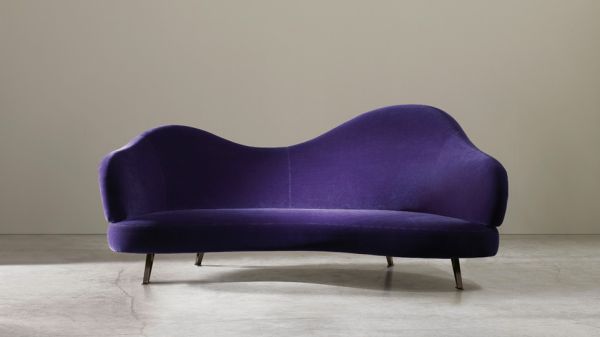 Hotels, Yachts and many public places have strict requirements for fabrics both for fire retardancy and wear, usually measured in the UK by an abrasion test (commonly referred to as Martindale or ‘rub test’). Some of KOTHEA’s Mohair Velvets are highly suitable in such environments with a certified Martindale of 100,000 – which is more than the usual contract requirement of between 20,000 – 30,000.