The Building Safety Act 2022 and Fabric Specification: What Interior Designers Need to Know

The Building Safety Act 2022 and Fabric Specification: What Interior Designers Need to Know

What the Act introduced: A Principal Designer role with legal duties to ensure all design work — including material specification — complies with Building Regulations. Operative from 1 October 2023 for all projects requiring building control approval.
Higher-risk buildings: Residential buildings 18 metres or more in height, or seven or more storeys. Additional, more stringent duties apply to all design work on these buildings.
What this means for fabric specification: Any designer specifying materials in a higher-risk building must be able to demonstrate competence in fire safety compliance. Every fabric specification decision that affects fire safety must be documented and retained as part of the building’s safety case.
Who this applies to: Interior designers, architects, and design-and-build contractors involved in any project requiring building control approval in England.

The Building Safety Act 2022 is the most significant change to the regulation of building design and construction in England since the 1980s. It was enacted in response to the Grenfell Tower disaster and introduced a comprehensive new duty-holder framework, new competence requirements, and a new regulatory body — the Building Safety Regulator (BSR) — with powers to scrutinise and approve higher-risk building work. Interior designers and fabric specifiers are affected by the Act in ways that are not always clearly communicated. This guide explains what the Act requires, what it means for fabric specification decisions, and how to document compliance.


What the Building Safety Act 2022 Does

The Act creates a new regulatory regime for all building work requiring building control approval in England, with additional and more stringent requirements for higher-risk buildings. It does three things relevant to interior designers and fabric specifiers.

First, it introduces a mandatory Principal Designer role for any project with more than one contractor, operative from 1 October 2023. The Principal Designer is responsible for planning, managing, monitoring, and coordinating the design work to ensure compliance with Building Regulations — including fire safety. This is a distinct role from the Principal Designer under CDM Regulations 2015, although the same person or organisation may hold both roles if competent to do so.

Second, it places a duty of competence on anyone carrying out design work. Section 35 of the Act defines competence as having the necessary skills, knowledge, experience, and behaviours. A designer who specifies materials — including fabrics and soft furnishings — in a building subject to the Act must be able to demonstrate that their specification decisions comply with the applicable Building Regulations fire safety requirements.

Third, it introduces a golden thread of information — a continuous, maintained record of design decisions relating to fire safety and structural integrity — that must be created during the design phase, updated through construction, and retained for the life of the building. For higher-risk buildings this is a formal legal requirement. For other buildings the principle of maintaining clear documentation of safety-related design decisions is strongly recommended and increasingly expected by the insurance market.


Higher-Risk Buildings: What They Are and Why They Matter

A higher-risk building (HRB) is defined under the Act as a building of at least 18 metres in height or at least seven storeys, containing at least two residential units. Most tall residential apartment buildings in England meet this definition. Many hotel developments, residential care buildings, and mixed-use developments with residential components also qualify.

For HRB projects, the Building Safety Regulator must approve the design before construction begins at Gateway 2. The Principal Designer must submit a detailed compliance statement demonstrating that the design meets Building Regulations requirements. All duty holders — including designers — must operate a mandatory occurrence reporting system and report any safety occurrence to the BSR.

A safety occurrence is defined as any aspect of the design relating to the structural integrity or fire safety of a higher-risk building that, if built, would present a significant risk of death or serious injury. A fabric specification that does not meet the applicable fire standard — or that uses a topical FR treatment that has degraded without replacement — could in principle constitute a safety occurrence in an HRB context. This is not a theoretical risk. It is the kind of documentation failure that the golden thread requirement is specifically designed to prevent.


What This Means for Fabric Specification

For most interior design projects, the Building Safety Act’s practical impact on fabric specification is not a change in the fire standards that apply — Crib 5, BS 7176, BS 5867 were the applicable standards before the Act and remain so — but a change in the documentation and accountability requirements around compliance with those standards.

Before the Act, a designer who specified a Crib 5-certified fabric for a hotel project was meeting the applicable fire standard. After the Act, that same designer must also be able to demonstrate: that they understood the applicable standard and specified correctly against it; that they obtained a valid test certificate from a UKAS-accredited laboratory; that they documented the specification decision and retained the certificate; and, if the project involves an HRB, that the fabric specification was included in the golden thread information provided to the Principal Designer and ultimately to the building owner.

The practical implication is that fabric specification documentation must be more systematic than it often has been. A verbal instruction to the upholsterer or a purchase order without fire certification reference is no longer adequate for projects subject to the Act. The fire test certificate must be obtained before installation, referenced in the specification document, and retained as part of the project file.

For full guidance on obtaining fire test certificates and what they must cover, see our Crib 5 guide, our hotel fabric specification guide, and our FR treatment guide.


The Principal Designer Role and Interior Design Services

The RIBA/BIID professional services contracts — updated in their 2024 amendments — include an expanded schedule of services that now explicitly references the Principal Designer role under Part 2A of the Building Regulations. An interior designer or architect carrying interior design services within their scope on a qualifying project may be asked to act as, or contribute to the duties of, the Principal Designer.

The 2024 amendment to the RIBA/BIID contracts draws specific attention to the requirement for the designer to assess their competency to undertake the Principal Designer role before accepting it. Interior designers whose practice includes projects in higher-risk buildings should assess whether their competence in fire safety, structural safety, and the golden thread documentation requirements meets the standard required by PAS 8671, the publicly available specification setting out the minimum competence requirements for Principal Designers.


The Golden Thread and Fabric Documentation

The golden thread is a digitally maintained record of design decisions relating to fire safety and structural integrity. For fabric specification in a higher-risk building, it should contain the following for each fire-safety-relevant fabric decision. The fabric description — supplier, range name, colourway, width, and fibre composition. The fire standard the fabric is certified against — BS 7176 Medium or High Hazard, BS 5867 Part 2 Type B or C, or equivalent. The test certificate reference number and the name of the UKAS-accredited laboratory that issued it. The filling and interliner specified with the fabric, as the certificate covers the assembly rather than the face fabric alone. The date of installation and the location within the building. Any re-treatment or re-certification requirement and the recommended review date.

Building this documentation into the fabric specification process at Stage 3 of the RIBA Plan of Work — when specific fabrics are selected and technical data sheets are obtained — adds minimal time and significantly strengthens both legal compliance and the designer’s professional liability position. For guidance on fabric decisions at each RIBA stage, see our RIBA Plan of Work fabric guide.


Liability and the 30-Year Limitation Period

A 2025 Supreme Court ruling in URS Corporation Ltd v BDW Trading Ltd interpreted section 135(3) of the Building Safety Act to extend the limitation period for negligence claims relating to building safety from six to thirty years, including retrospective claims. This means that design decisions made today — including fabric specification decisions that affect fire safety in higher-risk buildings — could be subject to legal challenge for up to thirty years.

The practical implication for fabric specifiers is that the documentation of fire compliance at the time of specification — the fire test certificate, the specification schedule, the installation record — is evidence of due diligence that may need to be relied upon many years after practical completion. Maintaining systematic records of fire certification for all higher-risk building fabric specification decisions is strongly advisable.


What Interior Designers Should Do

Review your specification documentation process and confirm that it captures fire test certificate references, UKAS-accredited laboratory names, and filling and interliner details for every fabric specified in a fire-safety-relevant position. This applies to all contract projects, not only those classified as higher-risk buildings.

For any project that may involve an HRB — a residential building of seven or more storeys or 18 metres or more in height — seek advice from the Principal Designer appointed on the project about what fabric documentation is required as part of the golden thread. If you are the party being asked to act as Principal Designer, assess your competence against PAS 8671 before accepting the role.

Ensure your professional indemnity insurance covers the scope of design services you are providing on BSA-affected projects. The Act has introduced new and more extensive liabilities for designers, and cover that was adequate before 1 October 2023 may need to be reviewed.

When specifying fabric for fire-safety-relevant positions in higher-risk buildings, prefer inherently fire-resistant fabrics over those requiring topical FR treatment. Inherent fire resistance does not degrade with cleaning or over time and does not require re-certification during the building’s life. See our FR treatment and fibre compatibility guide for guidance on which fabrics carry inherent certification.


Frequently Asked Questions

Does the Building Safety Act apply to all interior design projects?

The duty-holder framework applies to all projects requiring building control approval in England where there is more than one contractor, from 1 October 2023. The additional and most stringent requirements apply to higher-risk buildings — residential buildings of at least 18 metres in height or at least seven storeys containing two or more residential units. Most interior refurbishment projects of individual apartments do not require building control approval and are not directly caught by the Act. Commercial fit-outs, whole-building refurbishments, and new build projects with residential use at seven or more storeys are more likely to be affected.

What fire standards apply to fabric in higher-risk buildings?

The Building Safety Act does not introduce new fire standards for fabrics. The applicable standards remain BS 7176 for upholstered seating, BS 5867 for curtains, and the Regulatory Reform (Fire Safety) Order 2005 for the responsible person’s ongoing fire safety obligations. What the Act changes is the documentation and accountability requirements around compliance with those standards — specifically the requirement to maintain a golden thread of fire safety design decisions for higher-risk buildings.

What is the golden thread and what fabric information does it need to contain?

The golden thread is a digitally maintained record of design decisions relating to fire safety and structural integrity. For fabric specification in a higher-risk building, it should contain the fabric description, the fire certification standard and certificate reference, the UKAS-accredited laboratory name, the filling and interliner details, the date and location of installation, and any re-treatment requirements. This information must be maintained for the life of the building.

Can an interior designer be the Principal Designer under the Building Safety Act?

Yes, if they have the necessary competence as defined by PAS 8671. An interior designer appointed as lead designer on a project with more than one contractor must assess whether their competence in fire safety, structural safety, and documentation management meets the standard required. For HRB projects, the competence requirements are more demanding and formal competence assessment against PAS 8671 is advisable before accepting the appointment.


For fire certification standards and test certificates, see our Crib 5 guide. For fabric documentation at each RIBA Plan of Work stage, see our RIBA Plan of Work fabric guide. For FR treatment and inherent fire resistance, see our FR treatment and fibre compatibility guide.

Request Samples

Order cutting samples of any fabric from our current collections. Trade accounts only.

Order Cuttings

Fabric Specification for Healthcare Environments: A Guide for Interior Designers

Anouska Hempel Design

Fabric Specification for Healthcare Environments: A Guide for Interior Designers

The overriding requirement: Every fabric in a healthcare environment must withstand the cleaning regime used in that facility. Confirm the specific products and frequencies with the estates or facilities team before specifying.
Fire standard: BS 7176 Medium or High Hazard depending on the building type and risk assessment. Not Crib 5 alone.
Martindale minimum: 100,000 rubs for patient seating and waiting areas. 60,000 rubs for lower-contact positions.
Fabrics to avoid: Any pile fabric, any fabric with a cleaning code of S, any fabric with a topical FR treatment that degrades with disinfectant cleaning.

Healthcare environments impose more demanding and more specific requirements on interior fabrics than almost any other building type. The combination of clinical cleaning regimes, continuous use, infection control obligations, fire safety requirements, and the extended periods for which patients and visitors are seated creates a specification challenge where a fabric that performs well in a hotel environment may fail completely within months of installation in a hospital or care home. This guide explains the specific requirements, the fabrics that meet them, and the fabrics to avoid.


Infection Control and Cleaning Compatibility

The single most important requirement for fabric in a healthcare environment is compatibility with the cleaning products and regimes used in that facility. Healthcare facilities use cleaning agents significantly more aggressive than those used in hospitality or commercial office environments. Common healthcare cleaning products include sodium hypochlorite solutions at concentrations of 1,000 ppm or above for high-risk areas, quaternary ammonium compounds, hydrogen peroxide solutions, and alcohol-based disinfectants at 70% or above.

Many of these products are incompatible with standard upholstery fabrics. Bleach solutions will strip topical FR treatments, cause colour fade, and degrade most natural fibre fabrics within weeks of regular application. Alcohol-based disinfectants can cause surface breakdown in some PVC faux leathers if the plasticiser formulation is not alcohol-resistant.

Before specifying any fabric for a healthcare project, obtain the specific cleaning products and frequencies used in each area from the estates or facilities management team. Present these to the fabric supplier and request written confirmation of compatibility. Do not rely on general claims of healthcare suitability — obtain confirmation for the specific products used in the specific facility.


Fire Standards for Healthcare

Healthcare buildings are subject to specific fire safety requirements under HTM 05-03 and BS 7176, which specifies fire performance requirements for non-domestic upholstered seating. The applicable BS 7176 hazard category depends on the risk assessment for the specific area.

Medium Hazard under BS 7176 is the minimum for most patient seating, waiting areas, and staff areas in standard healthcare buildings. High Hazard applies to areas where sleeping accommodation is provided — residential care facilities, hospital wards, overnight facilities. Very High Hazard applies to areas where residents have limited mobility or require assistance to evacuate.

BS 7176 includes BS 5852 Crib 5 as its core test for upholstered seating and additionally requires cigarette and match tests. A fabric that simply holds a Crib 5 certificate is not automatically compliant with BS 7176 Medium Hazard. The complete assembly — fabric, interliner, and filling — must be certified to the applicable BS 7176 standard. For guidance on these standards, see our Crib 5 guide and hotel fabric specification guide.

For curtains and cubicle curtains in healthcare environments, BS 5867 Part 2 Type B is the standard requirement. Cubicle curtains used in clinical areas typically require Type C, which includes a launderability pre-conditioning stage confirming that the fire performance survives repeated laundering at 71 degrees Celsius.


Martindale Requirements

Patient seating and waiting area seating in healthcare environments is subject to continuous use throughout the operating hours of the facility. Chairs in an outpatient waiting area may be occupied for sixteen hours a day, seven days a week. The Martindale rub count requirement for this level of use is 100,000 rubs minimum. Seating in lower-contact positions — staff areas, offices, lower-traffic corridors — may be specified at 60,000 rubs minimum, but confirm the use pattern for each position before reducing the specification below 100,000.


Suitable Fabrics for Healthcare

Silicone leather. The strongest all-round specification for patient-contact seating in clinical healthcare environments. Silicone leather is inherently flame resistant without topical treatment, which means its fire performance is not affected by aggressive cleaning. It is compatible with hospital-grade disinfectants including hypochlorite solutions and alcohol-based disinfectants, is non-porous and does not support microbial growth, achieves very high Martindale counts, and is easy to wipe clean to clinical standards.

High-specification PVC faux leather. Compatible with most healthcare cleaning regimes provided the specific formulation has been confirmed as alcohol-resistant and hypochlorite-stable. Healthcare-grade PVC faux leather with welded seams — which eliminates the crevice at the seam line where microorganisms can harbour — is appropriate for patient seating and waiting areas. Confirm that the specific product holds a healthcare suitability certification from the manufacturer. Standard commercial PVC faux leather is not automatically suitable for clinical use. See our faux leather types compared guide for detail.

Coated performance fabrics. Some woven fabrics with a polyurethane or acrylic coating achieve the combination of breathability and cleanability required for patient seating in rehabilitation and residential care environments where patient comfort over extended periods is a higher priority than clinical cleanliness. Confirm cleaning compatibility and confirm that the coating does not crack or peel under the specific cleaning regime used.

Healthcare-specific contract wovens. Some specialist fabric manufacturers produce woven fabrics designed specifically for healthcare use, with inherent antimicrobial properties, high Martindale counts, and confirmed compatibility with healthcare cleaning products. These are appropriate for lower-risk healthcare areas — staff rooms, reception desks, family waiting areas — where the clinical cleaning regime is less aggressive.


Fabrics to Avoid in Healthcare

Any pile fabric — velvet of any fibre type — is unsuitable for patient-contact seating in healthcare environments. The pile structure traps particulate matter, bodily fluids, and microorganisms and cannot be cleaned to clinical standards with the products used in healthcare facilities. For full guidance on velvet specification limitations, see our when not to use velvet guide.

Any fabric with a cleaning code of S is unsuitable for healthcare environments where water-based disinfectant cleaning is routine. Any fabric with a topical FR treatment that degrades with disinfectant cleaning is unsuitable for areas where fire performance must be maintained across the full service life. Standard wool, mohair, linen, and cotton upholstery fabrics are unsuitable for clinical patient-contact areas.


Specific Area Guidance

Patient rooms in acute hospitals require the most stringent specification: silicone leather or healthcare-grade PVC faux leather for any patient-contact upholstery, BS 7176 High Hazard fire certification for all seating, and confirmed compatibility with the full cleaning and disinfection protocol.

Outpatient and waiting areas permit a slightly broader specification. Healthcare-grade PVC faux leather or high-specification coated fabrics are appropriate for seating. The aesthetic can be warmer and less clinical than patient room specification. Fire standard remains BS 7176 Medium Hazard minimum. Martindale minimum 100,000 rubs.

Residential care homes occupy an intermediate position between acute healthcare and hospitality. The fire standard is typically BS 7176 High Hazard for sleeping accommodation areas. The cleaning regime is typically less aggressive than acute healthcare. High-specification contract wovens with confirmed cleaning compatibility may be appropriate for lounge and dining areas.


Frequently Asked Questions

Can velvet be used anywhere in a healthcare building?

Velvet is unsuitable for any patient-contact seating in clinical or quasi-clinical environments. In low-clinical-risk areas of private healthcare — executive offices, family suites, reception areas with low patient contact — velvet may be appropriate if the cleaning regime is compatible and fire certification is confirmed. Confirm the specific cleaning products and the risk category of the area with the facilities team before specifying.

What fire standard applies to hospital waiting areas?

BS 7176 Medium Hazard is the minimum applicable standard for most hospital waiting areas and outpatient seating. The complete assembly — fabric, interliner, and filling — must be certified, not only the fabric. For areas providing sleeping accommodation, BS 7176 High Hazard applies.

How do I confirm a fabric is suitable for healthcare cleaning?

Obtain the specific cleaning products and concentrations used in the area being specified from the facility’s estates or facilities management team. Present these to the fabric supplier and request written confirmation of compatibility. Where possible, request a sample and test it with the actual cleaning product before finalising the specification.

What is the difference between BS 5867 Type B and Type C for healthcare curtains?

BS 5867 Part 2 Type B requires fire performance before laundering. Type C requires fire performance to be maintained after laundering pre-conditioning at 71 degrees Celsius for a defined number of cycles. For cubicle curtains in clinical areas that are regularly laundered, Type C is the appropriate standard.


For Building Safety Act 2022 requirements — many hospital buildings qualify as higher-risk buildings — see our Building Safety Act and fabric specification guide.

For fire certification standards, see our Crib 5 guide and hotel fabric specification guide. For faux leather types suitable for healthcare, see our faux leather types compared guide.

Request Samples

Order cutting samples of any fabric from our current collections. Trade accounts only.

Order Cuttings

BS 5852 Crib 5: Complete Guide for Upholstery Specification

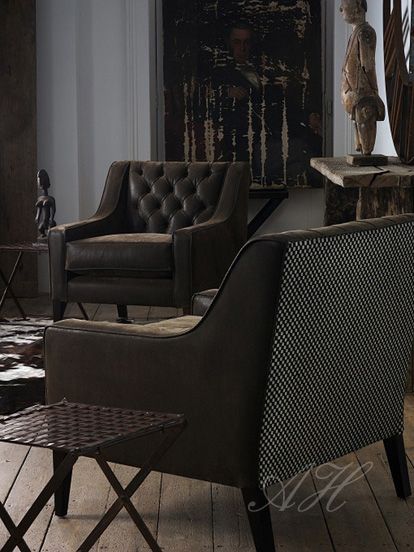
Brown faux leather chair from April Hamilton

BS 5852 Crib 5: A Complete Guide for Interior Designers and Specifiers

BS 5852 Crib 5 is the fire safety standard required for most contract upholstery in the United Kingdom. If you are specifying fabric for a hotel, restaurant, bar, office, healthcare environment, or any other commercial interior, Crib 5 compliance is the baseline expectation. This guide explains what the standard is, how the test works, the critical difference between inherent and topical certification, and how to specify correctly. For dye types and FR treatment compatibility — which dyes cause fading after treatment — see our dye types and FR treatment guide. For colour fastness and crocking specification, see our colour fastness and crocking guide. For hotel and hospitality projects see our hotel fabric specification guide. For wall panel and headboard applications, a different standard applies: see our guide to fabric for wall panels and headboards.For projects involving yachts or commercial vessels, a separate framework applies: see our guide to IMO marine fire standards for yacht interiors.


What Crib 5 Is

Crib 5 is shorthand for BS 5852 Ignition Source 5. BS 5852, titled Methods of Test for Assessment of the Ignitability of Upholstered Seating, is the British Standard that defines how upholstered furniture materials must behave when exposed to ignition sources of increasing intensity. The standard defines eight ignition source levels. The three that matter most in practice are Source 0 (a smouldering cigarette), Source 1 (a small flame equivalent to a lit match), and Source 5, which is the Crib 5 test.

The name comes from the wooden structure used as the ignition source. A crib is a small lattice of dry timber pieces, stacked five tiers high, weighing approximately 17 grams. The number 5 refers to the number of tiers. The crib is placed on the upholstery assembly and ignited. The test is designed to simulate an ignition event more intense than a match flame, comparable to a burning pile of paper, and is the realistic minimum for contract environments where furniture may be exposed to more severe ignition risks than a smouldering cigarette.


The Three-Stage Test

BS 5852 Crib 5 is not a single test in isolation. To achieve a Crib 5 certification, a fabric must first pass both the cigarette test (Source 0) and the match test (Source 1). Only materials that pass both of these lower-level tests are eligible to proceed to the Crib 5 stage. A material that fails the cigarette or match test cannot be certified to Crib 5 regardless of how it performs under the wooden crib.

For more detail on the cigarette and match stages of BS 5852, see our post on the cigarette and match tests.

In the cigarette test, a smouldering cigarette is placed in the crease between the seat and back of the upholstered test rig. The material must show no ignition and no progressive smouldering.

In the match test, a small burner flame is held against the upholstery for 20 seconds. The material must self-extinguish immediately and show no spread of flame.

In the Crib 5 test, the lit wooden crib is placed on the upholstered assembly. All flaming must cease within 10 minutes. The fire must not spread beyond defined limits or penetrate the filling material. There must be no self-sustaining smouldering after the crib has burned out.


The Composite Nature of the Test

This is the point most frequently misunderstood in specification. BS 5852 does not test the fabric in isolation. It tests the full composite assembly: the fabric cover, the foam or filling, and any interliner, all as they would be used together in the finished piece of furniture.

A fabric that achieves Crib 5 certification in one configuration with a specific foam may not achieve it when applied over a different foam. A certificate from a fabric supplier confirms the fabric was tested in a specific configuration. If the foam or filling used in your project differs from the foam used in the test, the certificate may not be valid for your application.

Always confirm with your fabric supplier the exact configuration under which the Crib 5 test was conducted, including the foam specification, before relying on that certificate for a contract project.


Inherent Versus Topical Certification

The single most important distinction in specifying a Crib 5 fabric is whether the certification is inherent or achieved through topical treatment. The practical consequences are significant.

Inherent Crib 5 means the fire resistance is a property of the fibre itself. The yarn from which the fabric is woven is non-combustible or self-extinguishing by its nature, independent of any chemical application. Mohair velvet is the primary example in the Kothea range. Mohair fibre is inherently resistant to ignition, and a correctly woven mohair velvet carries an inherent Crib 5 pass without any treatment being applied. The certification is permanent, unaffected by cleaning, does not alter the handle or surface appearance of the fabric, and carries no additional cost for FR treatment.

Topical or back-coated treatment is applied to a fabric that is not inherently fire resistant. The fabric passes through a bath of fire-retardant chemicals, which are bonded to the reverse of the fabric through a coating process. The resulting fabric can achieve a Crib 5 pass, but with three important caveats.

First, the BS 5852 standard requires a water-soak test as part of full certification. The fabric is soaked in water to simulate cleaning and then retested. Many fabrics that pass the dry Crib 5 test fail after the water-soak stage. An indicative test without the water-soak is not a complete Crib 5 certificate. Do not rely on an indicative certificate for contract projects without confirming with the client and fire officer that it is acceptable.

Second, the coating process can affect the appearance and handle of certain fabrics. Pile fabrics such as velvets are particularly susceptible. Immersion or back-coating can flatten the pile, stiffen the handle, or leave residue on the face of the fabric. This is one of the reasons mohair velvet with an inherent pass is preferable for contract use over cotton or linen velvet that requires treatment.

Third, a topically treated fabric may need re-treatment if cleaned by a method that degrades the coating. Professional cleaning must use methods compatible with the treatment. Confirm the appropriate cleaning regime with the treatment provider before specifying.

For a detailed guide to the treatment process and the difference between Crib 5 and BS 7176, see our post on FR treatment, BS 7176, and the Crib 5 test.


BS 7176 and Hazard Categories

BS 7176, Specification for Resistance to Ignition of Upholstered Furniture for Non-Domestic Seating, extends the BS 5852 framework by categorising different commercial environments into hazard levels and specifying the appropriate ignition source requirement for each.

Low hazard covers environments such as offices. Medium hazard covers hotels, theatres, and healthcare waiting areas. High and extreme hazard cover environments such as prisons, secure psychiatric units, and offshore installations.

For most hospitality and commercial interiors the relevant category is Medium Hazard, and the standard associated with it is effectively Crib 5. The practical difference between specifying to BS 5852 Crib 5 and specifying to BS 7176 Medium Hazard is that BS 7176 includes the water-soak stage explicitly and requires the certificate to document the specific end-use environment and foam specification. In complex or sensitive projects, specifying BS 7176 Medium Hazard rather than simply Crib 5 gives a more complete and defensible specification. The treatment applied to achieve both is the same.


When Crib 7 Is Required

Crib 7 follows the same principle as Crib 5 but uses a larger wooden crib, seven tiers high, producing a more intense ignition source. It is required in high and extreme hazard environments: primarily prisons, secure psychiatric units, and some offshore or industrial installations. The Regulatory Reform (Fire Safety) Order 2005 assigns responsibility for determining the appropriate hazard category to the responsible person managing the building, not to the designer or fabric supplier. If a project falls into a high hazard category, engage a specialist fire safety consultant before specifying.

Crib 5 fabric, when combined with an appropriate FR foam, can sometimes achieve a Crib 7 pass as a composite. This must be verified by testing and documented with the relevant certificate. Do not assume that a Crib 5 fabric will achieve Crib 7 without independent testing.

For a full explanation of Crib 7 and when it applies, see our post on what is Crib 7.


Curtain Fabrics and the Different Standard

BS 5852 applies to upholstery. Curtain fabrics are governed by a separate standard, BS 5867, which tests vertical hanging fabrics rather than upholstered composites. The two standards are not interchangeable. A curtain fabric certified to BS 5867 is not automatically suitable for upholstery use, and a Crib 5 certified upholstery fabric is not automatically certified for use as a curtain in a contract environment. Always confirm the correct standard for the specific application before specifying.


Kothea Fabrics and Crib 5

Mohair velvet from Kothea carries an inherent BS 5852 Crib 5 pass across all active mohair velvet ranges. The inherent certification means no treatment is required, no additional cost is incurred, the certification survives cleaning, and the handle and surface of the fabric are unaffected. The primary Mohair Velvet range achieves 100,000 Martindale rubs alongside its inherent Crib 5 certification, combining contract-grade durability with the highest fire safety standard for most commercial projects.

Faux Leather 3 from Kothea carries a BS 5852 Crib 5 certification alongside a Martindale rub count in excess of 200,000, making it among the most specification-complete fabrics available for severe contract environments including transport seating, healthcare, and hospitality.

Cotton velvet requires topical treatment to achieve a Crib 5 pass and is not supplied by Kothea with an inherent certification.


How to Specify Correctly

State the standard in full. Ask for BS 5852 Ignition Source 5 (Crib 5), not just Crib 5. The full reference removes ambiguity.

Confirm inherent or topical. Ask the supplier explicitly whether the certification is inherent to the fibre or achieved through topical treatment. If topical, ask whether the full water-soak test was completed and request the certificate confirming it.

Confirm the composite configuration. Ask which foam was used in the test. If your project uses a different foam, the certificate may not cover your specific application.

Use a UKAS-accredited treatment house. If your project requires a fabric to be treated, specify that treatment must be carried out by a UKAS-accredited company. This ensures the process is correctly executed and independently verifiable.

Request the full test certificate. An indicative result is not a certificate. For contract projects, require the independent test certificate before the fabric is upholstered.

Consider BS 7176 for complex environments. For hotel bedrooms, healthcare, or any environment where the hazard category is uncertain, specifying BS 7176 Medium Hazard rather than Crib 5 alone provides a more defensible specification at no additional treatment cost.


Crib 7: The Standard Above Crib 5

Crib 7 is the ignition source immediately above Crib 5 in the BS 5852 series. Where Crib 5 uses a wooden crib of approximately 17 grams with a specific timber species and construction, Crib 7 uses a larger and more severe crib of approximately 126 grams. The test assembly is the same — a seat and back pad covered in the fabric being tested — but the larger ignition source represents a significantly more demanding fire scenario.

Crib 7 is not widely required in mainstream UK contract specification. The environments where it is applicable include some prison and secure accommodation furniture, certain defence and government procurement specifications, and some highly specific public sector contracts where the risk assessment has determined that the standard Crib 5 level of protection is insufficient. It is also referenced in some transport seating specifications, though IMO standards apply in the marine context rather than BS 5852.

For most hotel, restaurant, office, and residential contract interiors, Crib 5 is the correct and sufficient standard. Specifiers who encounter a Crib 7 requirement should confirm with the project’s fire risk assessor whether it is genuinely required for the specific application, as it is a materially more demanding test and limits the fabric options available considerably. Very few standard upholstery fabrics carry a certified Crib 7 pass. Purpose-made fire-retardant fabrics with specialist construction and treatment are typically required.

If your project has a Crib 7 requirement, contact us directly to discuss suitable fabric options for the specific application.


For surface spread of flame requirements for wall and ceiling linings — a separate standard from Crib 5 — see our BS 476 Part 7 guide.

For fabric sustainability certifications including GOTS and Oeko-Tex, see our fabric sustainability certifications guide. For healthcare fire standards including BS 7176, see our healthcare fabric guide.

For how the Building Safety Act 2022 affects fabric fire certification documentation in higher-risk buildings, see our Building Safety Act and fabric specification guide.

Request Samples

Order cutting samples of any fabric from our current collections. Trade accounts only.

Order Cuttings