How FR Treatment Works: A Plain-English Guide for Interior Designers

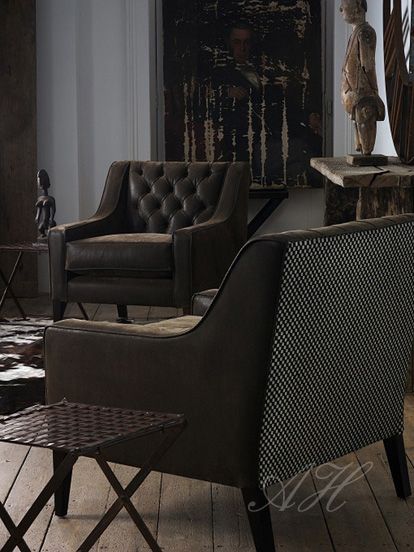
Black Faux Leather Chair

How FR Treatment Works: A Plain-English Guide for Interior Designers

What FR treatment does: It slows or prevents the ignition and spread of flame by interfering with the chemistry of combustion at the surface of the fabric.
The two main methods: Back-coating (paste applied to the reverse — standard for upholstery Crib 5) and wet padding (chemical solution applied to the whole fabric — standard for curtain treatment).
Inherent vs topical: Inherent fire resistance is a permanent property of the fibre itself. Topical treatment is applied after weaving and can degrade over time, through cleaning, or through interaction with certain dyes.
Who can certify: Only a UKAS-accredited testing laboratory. No fabric company, designer, or treatment provider can self-certify.

Most interior designers who specify FR-treated fabrics regularly have never seen the treatment process and have only a general idea of how it works. This guide explains the chemistry and process in plain language — not to make designers into treatment specialists, but to give them enough understanding to ask the right questions, spot specification risks before they become problems, and explain FR compliance confidently to clients and contractors.

For which fibres can be treated, see our FR treatment and fibre compatibility guide. For dye types and their interaction with treatment, see our dye types and FR treatment guide. For the fire standards that require treatment, see our Crib 5 guide.


Why Fabrics Need FR Treatment

All organic fibres will burn if exposed to sufficient heat and ignition energy. The chemistry of combustion in textiles follows a consistent pattern. When a fibre is heated, its polymer structure begins to break down — a process called pyrolysis. This produces flammable gases. The gases mix with oxygen from the atmosphere and ignite, producing a flame. The flame generates further heat, which causes more pyrolysis, which produces more flammable gas, which sustains and spreads the fire. This self-reinforcing cycle is what makes unprotected upholstery and curtains a serious fire hazard in public buildings.

FR treatment breaks this cycle at one or more points. Depending on the type of FR compound used, it may prevent or delay pyrolysis, reduce the quantity or flammability of the gases produced, cause the fabric to form a carbonaceous char layer that insulates the underlying structure from the heat source, or dilute the flammable gases with inert gases that cannot sustain combustion. The goal in all cases is the same: to prevent the fabric from sustaining ignition and propagating flame when exposed to the ignition sources defined in the test standard.


The Two Main Treatment Methods

Back-coating. The standard method for upholstery Crib 5 treatment. The fabric is passed through a machine that applies a paste or emulsion of FR chemicals to the reverse face of the fabric. The paste is then dried and cured to fix the compound to the backing structure. The treatment sits on the back face and does not penetrate the face yarns. This is why back-coating, when correctly applied, does not alter the appearance or handle of the face fabric.

The FR compounds used in back-coating are typically phosphorus-based or halogenated compounds — most commonly brominated flame retardants applied in a paste that also contains a binder to hold the compound to the fabric. The phosphorus compounds work primarily in the solid phase: when heated, they decompose to form phosphoric acid, which causes the polymer to char rather than produce flammable gases. The halogenated compounds work primarily in the gas phase: they release halogen radicals that interrupt the chain reactions sustaining the flame.

Back-coating adds weight to the fabric — typically a few grams per square metre — and gives the reverse a firmer, slightly stiffer character. This can be an advantage in upholstery construction because the stiffer back helps the fabric behave consistently during cutting and making-up. It does not affect the face pile character of velvet or the handle of the woven face.

Wet padding. The standard method for curtain FR treatment and some lighter upholstery fabrics. The fabric is fed through a padder — a bath of FR chemical solution followed by rollers that squeeze the solution into the fabric structure under controlled pressure — and then dried and cured. The wet pickup is controlled to achieve the required chemical loading. Because the solution penetrates the whole fabric including the face yarns, wet padding can affect handle and, critically, can interact with certain dye types. See the dye types and FR treatment guide for the specific risks.

The FR compounds used in curtain wet padding are typically water-soluble inorganic salts — ammonium phosphate or ammonium sulphate compounds — applied in aqueous solution. These are effective for cellulosic fibres and work primarily by releasing inert gases when heated that dilute the flammable gas mixture around the burning fabric. They are less suitable for upholstery because they are water-soluble and would wash out in cleaning. Back-coating compounds are insoluble and more durable.


Inherent Fire Resistance vs Topical Treatment

The distinction between inherent and topical fire resistance is commercially significant and frequently misunderstood.

Inherent fire resistance is a permanent property of the fibre itself, arising from its chemical structure. Wool and mohair have inherent fire resistance because they are protein fibres with high nitrogen and sulphur content. These elements make the fibre self-extinguishing — when the ignition source is removed, the fibre stops burning. No chemical treatment is required and no treatment can be washed away. The fire resistance is permanent for the life of the fabric.

Trevira CS is an inherently flame-retardant synthetic fibre. The flame-retardant chemical is incorporated into the polyester polymer during fibre production, not applied to the surface afterwards. Like mohair, the fire resistance is permanent and survives cleaning.

Topical treatment applies FR chemicals to the fabric after it has been woven or knitted. The chemicals are not part of the fibre structure — they sit on or within the fabric surface. This means they can potentially be degraded by cleaning, by mechanical abrasion over time, or by interaction with atmospheric pollutants or incompatible dyes. The degree to which this happens depends on the specific FR compound, the fabric construction, and the cleaning regime.

Back-coated fabrics retain their FR properties well under normal contract cleaning conditions because the back-coating compound is insoluble and mechanically fixed to the backing structure. The relevant risk is the dye interaction problem in wet-padded fabrics described in the dye types guide rather than the physical removal of the compound.

For contract environments where cleaning frequency is high — healthcare, transport seating, hotel restaurants — the distinction between inherent and topical certification carries practical weight. A fabric whose fire resistance survives aggressive cleaning without needing re-treatment or re-certification is operationally simpler and more reliably compliant over its full service life.


The Testing and Certification Process

FR treatment produces a claim of compliance. The claim must be verified by an independent test before it has any legal or commercial standing.

The test is conducted by a UKAS-accredited testing laboratory. The fabric and, for composite tests such as BS 7176, the filling material as well, are prepared and tested against the relevant ignition sources. For BS 5852 Crib 5, the ignition source is a wooden crib of defined dimensions and mass placed at the junction between a test seat and back assembly made from the fabric and a standard filling. The assembly must show no sustained flaming or progressive smouldering after the crib has burned out.

If the assembly passes, the laboratory issues a test certificate. The certificate identifies the fabric by name or reference, the filling used in the test, the standard tested against, and the test result. This certificate is the document that a designer must obtain from the fabric supplier and retain as evidence of compliance for the project.

A fabric supplier’s claim that a fabric is Crib 5 compliant without a certificate from a UKAS-accredited laboratory is not sufficient for contract specification. The Regulatory Reform (Fire Safety) Order 2005 requires the responsible person for a building to be able to demonstrate that furnishings comply with the applicable standard. A verbal assurance or a product description are not adequate evidence. The test certificate is.


What FR Treatment Cannot Do

Understanding the limits of FR treatment is as important as understanding what it achieves.

FR treatment cannot make a fabric fireproof. No textile can be made completely non-combustible by topical treatment. FR treatment reduces ignitability and slows flame spread sufficiently to meet the defined test standard. In a real fire involving sustained heat and ignition energy beyond the test conditions, treated fabric will eventually burn.

FR treatment cannot compensate for incorrect installation. A Crib 5-certified fabric used without the foam specified in the test certificate does not maintain its certification. The certificate is issued for the specific fabric and filling combination tested. Substituting a different foam invalidates the certificate for that assembly.

FR treatment does not substitute for structural fire safety. The fire resistance of the building fabric — walls, floors, doors, compartmentation — is a separate matter from the fire safety of soft furnishings. FR upholstery fabric is one element of a fire safety strategy, not a substitute for the rest of it.

FR treatment does not make a fabric immune to cleaning degradation permanently. Back-coated fabrics are durable under normal cleaning conditions, but cleaning with inappropriate chemicals — very high pH alkaline cleaners, solvents incompatible with the binder system — can over time affect the integrity of the coating. The cleaning code on the fabric data sheet should be followed.


What Happens When a Treated Fabric Is Cleaned

The question designers are most frequently asked by clients is whether the FR treatment survives cleaning. The answer depends on the treatment method and the cleaning agent.

Back-coated upholstery fabrics coded S (solvent clean only) should not be cleaned with water-based products. The binder system holding the back-coating to the fabric may be water-sensitive. Repeated water-based cleaning of an S-coded back-coated fabric can progressively weaken the adhesion of the coating. The FR compound may remain present but its mechanical adhesion to the fabric is reduced.

Back-coated fabrics coded W or WS can be spot-cleaned with water-based products without significant effect on the back-coating, provided the products are not strongly alkaline. Hotel-grade alkaline cleaners applied repeatedly can over time affect the coating. This is one of the reasons to prefer inherently fire-resistant fabrics for hotel environments with high-frequency professional cleaning. See our hotel fabric specification guide for practical guidance on this.

Wet-padded curtain fabrics treated with water-soluble inorganic salt compounds are water-sensitive by nature. The standard BS 5867 Part 2 Type B test includes a water-soak stage precisely to assess whether the treatment survives cleaning. A fabric that passes this stage has demonstrated that its treatment survives a defined level of water exposure. This does not mean the treatment is permanent under repeated laundering. For healthcare curtain applications requiring Type C certification, a more rigorous laundering pre-conditioning is included in the test.


The Treatment Supply Chain

Understanding who is responsible for what in the FR treatment supply chain helps designers avoid the most common specification failures.

The fabric supplier is responsible for knowing whether their fabric can be treated, which treatment method is appropriate, and which treatment providers have successfully treated their fabric before. A good fabric supplier maintains this information and can advise the designer before the fabric is ordered.

The treatment provider applies the FR compound and, in most cases, arranges testing through a UKAS-accredited laboratory. The treatment provider issues the test certificate. They are responsible for the quality and consistency of the treatment and for ensuring the treated fabric meets the specified standard.

The designer is responsible for specifying the correct standard for the project, confirming that the fabric supplier and treatment provider can meet it, and obtaining the test certificate before the fabric is installed. The designer cannot certify compliance — only the testing laboratory can do that — but the designer is responsible for ensuring the certified fabric is what is installed.

The contractor or upholsterer is responsible for installing the certified fabric with the certified filling. Substituting materials without re-testing invalidates the certificate. The contractor should be briefed on this before work begins.


Frequently Asked Questions

Does FR treatment change how a fabric looks or feels?

Back-coating, correctly applied to the reverse of an upholstery fabric, does not alter the appearance or handle of the face. The back will feel slightly firmer and heavier but the face pile character and surface quality are unchanged. Wet padding for curtain treatment can affect the handle of lightweight or delicate fabrics — sheers in particular may feel slightly stiffer after treatment. Any fabric where handle or appearance change would be commercially significant should be sample-treated and approved before committing to the full order.

How long does FR treatment last?

Inherent fire resistance is permanent. Topical back-coating is durable under normal contract conditions and will typically remain effective for the life of the fabric provided it is cleaned according to the cleaning code and not subjected to chemicals that attack the binder system. Wet-padded treatments are less durable and may require re-treatment after intensive cleaning or after a defined number of years in high-frequency cleaning environments. For healthcare curtains under BS 5867 Type C, re-treatment after a defined number of wash cycles is standard practice.

Can a fabric be re-treated after cleaning?

Yes, in most cases. Back-coated upholstery fabrics that have been in service for many years can typically be re-treated if the original treatment has degraded, though this requires removing the fabric from the furniture. Wet-padded curtain fabrics can be re-treated when they are laundered if the treatment has been removed. The re-treated fabric must be re-tested if a new certificate is required. Contact the original treatment provider for advice on re-treatment for specific fabrics.

What is the difference between Crib 5 and BS 7176?

BS 5852 Crib 5 is the test method — the specific ignition source and test procedure. BS 7176 is the specification standard for non-domestic upholstered seating that references Crib 5 and additionally includes the cigarette and match tests, a water-soak stage, and documentation of the specific hazard category and filling used. For hotel and contract upholstery, BS 7176 Medium Hazard is the correct standard to specify because it produces a more complete and defensible certificate than Crib 5 alone. See our Crib 5 guide and hotel fabric specification guide for full detail.

Can I self-certify that a fabric is fire retardant?

No. Only a UKAS-accredited testing laboratory can issue a valid fire test certificate. A fabric supplier, designer, treatment provider, or contractor cannot self-certify FR compliance. Under the Regulatory Reform (Fire Safety) Order 2005, the responsible person for a commercial building must be able to produce evidence of compliance. A test certificate from a UKAS-accredited laboratory is that evidence. A verbal assurance, a product description, or a supplier’s own claim of compliance are not.


For the fire standards requiring treatment, see our Crib 5 guide. For which fibres can be treated, see our FR treatment and fibre compatibility guide. For dye types and their FR interaction, see our dye types and FR treatment guide.

Request Samples

Order cutting samples of any fabric from our current collections. Trade accounts only.

Order Cuttings

Dye Types and FR Treatment Compatibility: What Interior Designers Need to Know

French Blue Velvet

Dye Types and FR Treatment Compatibility: What Interior Designers Need to Know

The hidden risk: Reactive dyes — used on many cotton, linen, and silk fabrics — can cause progressive fading in the months after FR treatment. The fading is not visible at installation. It develops slowly and cannot be reversed.
The safest dye class for FR-treated fabrics: Vat dyes on cellulosic fibres; acid dyes on protein fibres (wool, mohair, silk). Both form strong bonds resistant to the chemical conditions of FR treatment.
Fibres to approach with caution: Cotton and linen with reactive dyes; fabrics with unknown dye composition.
The practical rule: Always ask the supplier which dye class was used before sending a fabric for FR treatment.

Fire retardant treatment is a routine requirement for contract upholstery and curtains in commercial interiors. What is less widely understood is that the chemical process of FR treatment can interact with certain dye types and cause colour change — sometimes immediately after treatment, and sometimes months later when the problem is much harder to diagnose and impossible to reverse. This guide explains how different dye types are used on the fabrics most relevant to interior designers, which dye types carry the highest risk in FR treatment, and what to confirm with suppliers before committing to treatment.

For how back-coating and wet padding work in plain language, see our how FR treatment works guide. For the fire certification standards that require FR treatment, see our complete guide to BS 5852 Crib 5. For guidance on which fabrics and fibres can be FR treated, see our guide to FR treatment and fibre compatibility. For colour fastness testing, see our colour fastness and crocking guide.


How FR Treatment Works and Why Dyes Matter

The two main methods of applying FR treatment to upholstery and curtain fabrics are back-coating and wet padding. Understanding the difference is essential to understanding the dye interaction risk.

Back-coating applies a chemical compound — typically a phosphorus or halogenated compound suspended in a paste — to the reverse of the fabric. The coating sits on the back face and does not penetrate the face yarns where the dye is located. Provided the back-coating is applied correctly and the fabric is not saturated, back-coating has minimal interaction with the face dyes. The majority of Crib 5 treatments for upholstery fabrics use this method.

Wet padding applies FR chemicals in solution to the whole fabric by running it through a padder — rollers that squeeze the chemical solution into the structure of the cloth. The fabric is then dried and cured. This process is used primarily for curtain fabrics and some lighter upholstery weights. Because the chemical solution penetrates the entire fabric including the face yarns, it comes into direct contact with the dye molecules. This is where dye-FR interaction can occur.

The pH of the FR solution used in wet padding is mildly acidic for phosphorus-based compounds. Certain dye classes are sensitive to acidic conditions. When an acid-sensitive dye is exposed to the mildly acidic FR solution during padding, the bond between the dye molecule and the fibre can be weakened. The weakening may not cause immediate visible colour change. Instead, the dye becomes more susceptible to subsequent degradation by atmospheric pollutants — oxides of nitrogen and sulphur from the environment — which produce acids on the surface of the fabric after treatment. Fading develops progressively over weeks and months. It is not visible at installation and cannot be detected by standard pre-treatment testing.


The Main Dye Classes and Their FR Compatibility

Reactive dyes. The highest-risk dye class for FR treatment. Reactive dyes are used extensively on cellulosic fibres — cotton, linen, viscose — and occasionally on wool and silk blends. They produce bright, vivid colours with good light fastness and excellent wash fastness under normal conditions. The dye molecule forms a covalent chemical bond with the fibre during dyeing. However, this bond is sensitive to acid. The mildly acidic conditions of some FR padding treatments can initiate the breakdown of the dye-fibre bond, making the dye vulnerable to subsequent fading from atmospheric pollutants.

The fading problem with reactive dyes is well documented in the FR treatment industry. It does not affect all reactive dyes equally — different reactive dye variants have different acid sensitivity — but a significant proportion of fading problems encountered by FR treatment companies involve reactive dyes. The problem is compounded by its delayed onset: a fabric that passes visual inspection immediately after treatment may show noticeable fading within three to six months. By the time the fading is visible, installation is complete and remediation is not possible.

The practical advice from experienced FR treatment houses is: where possible, avoid specifying fabrics with reactive dyes for wet-padded FR treatment. If you cannot avoid it — because the fabric is specified and cannot be changed — request that the treatment provider tests a sample and stores it for three to six months before treating the full order. This does not guarantee the full order will behave identically, but it provides the best available advance warning of a fading risk.

Acid dyes. Used on protein fibres — wool, mohair, silk, and some nylon. Acid dyes form strong bonds with protein fibres and are not sensitive to the mildly acidic conditions of FR treatment in the way that reactive dyes are. Back-coated wool and mohair velvets treated for Crib 5 using phosphorus or halogenated back-coating compounds do not typically show dye interaction problems. Acid-dyed silk is more cautious territory because silk is a delicate protein fibre and any chemical exposure requires care, but acid dye instability is not the primary risk for silk in FR treatment.

Vat dyes. The most stable dye class available and the least susceptible to FR treatment interaction. Vat dyes are used on cellulosic fibres — cotton and linen primarily — and produce colours with exceptional light fastness and wash fastness. The dye molecule is insoluble and is locked within the fibre structure rather than bonded chemically at the surface in the same way reactive dyes are. Vat dyes do not react with the acidic conditions of FR treatment and do not show the progressive fading associated with reactive dyes after treatment. Cotton and linen fabrics dyed with vat dyes are among the most FR-treatment-compatible cellulosic fabrics available. The limitation of vat dyes is a smaller colour range and higher dyeing cost compared to reactive dyes, which is why many fabric producers use reactive dyes as their default.

Disperse dyes. Used on polyester and acetate. Disperse dyes are forced into synthetic fibres under high heat and pressure. They are virtually insoluble in water and chemically stable. FR treatment of polyester fabrics, particularly Trevira CS which is inherently flame resistant, does not typically involve the same dye interaction risks as cellulosic FR treatment. Disperse-dyed polyester fabrics are generally low-risk for FR treatment. A known issue with disperse dyes is discolouration from oxides of nitrogen in the atmosphere — a separate problem from FR treatment interaction but worth noting for polyester fabrics in high-pollution urban environments.

Direct dyes. Used on cellulosics. Direct dyes have good substantivity for cotton and linen but moderate wash fastness — they are relatively water-soluble. The FR treatment interaction risk is lower than for reactive dyes because the dye-fibre bond mechanism is different, but direct-dyed fabrics should still be assessed for colour stability before FR treatment. Their water solubility means they are somewhat susceptible to the aqueous conditions of wet padding regardless of pH.

Sulphur dyes. Used on cellulosics, producing blacks, dark browns, and dark navies. Sulphur dyes have been associated with isolated fading problems after FR treatment — typically affecting specific yarn colours within a fabric rather than the entire cloth, making the problem appear as uneven colour change across the weave. This is relatively uncommon but has been observed.


Which Fabrics Carry the Highest Risk

Cotton curtain fabrics in saturated colours — particularly bright reds, coral, fuchsia, and vivid blues and greens — are most likely to be dyed with reactive dyes and carry the highest risk of post-treatment fading. Linen curtain fabrics in the same colour range carry comparable risk. The deeper and more saturated the colour, the more likely reactive dyes are involved.

Pale, muted, or neutral colours in cotton and linen are sometimes dyed with direct or vat dyes, which carry lower risk. However, the dye class cannot be determined from the colour alone. The only way to confirm the dye type is to ask the supplier.

Wool, mohair, and silk upholstery fabrics dyed with acid dyes and back-coated rather than wet-padded are the lowest-risk category for FR treatment colour interaction. This is one of the practical advantages of specifying mohair velvet with an inherent Crib 5 certification: the need for wet-padded FR treatment is eliminated entirely, removing the dye interaction risk from the specification chain.

Synthetic fabrics — polyester, Trevira CS, nylon — are generally low risk for dye interaction in FR treatment, with the specific disperse dye caveat noted above.


What to Ask Before Sending a Fabric for FR Treatment

Before sending any fabric to an FR treatment company for Crib 5 treatment, confirm the following with the fabric supplier.

Which dye class was used on this fabric? If the supplier cannot answer this question, treat the fabric as reactive-dyed and proceed with caution. Most reputable fabric suppliers can provide this information from their mill technical data sheet.

Has this fabric been FR treated before, and were any colour changes observed? A fabric that has been successfully FR treated and stored without fading gives some reassurance. A fabric that has not been treated before carries the full unknown risk.

Is the colour in the current batch produced by the same dyehouse as previous batches? Dye lot variation between batches extends to dye class selection in some mills, where the dyehouse may substitute a dye type if the standard dye is temporarily unavailable.

Once you have confirmed the dye class, convey this information to the FR treatment company before treatment begins. Experienced treatment companies maintain records of which fabrics and dye classes have caused problems and can advise whether a screen test — treating a small sample and storing it for an extended period before treating the full order — is warranted.


The FR Treatment Process and Colour Change: Timing and Detection

Immediate colour change visible at the point of treatment is typically caused by a direct chemical reaction between the FR compound and the dye. This type of problem is detectable during the treatment process and gives the treatment company an immediate opportunity to halt treatment and contact the specifier. It is the minority of dye-FR problems.

Progressive fading developing over weeks to months after treatment is caused by the mechanism described earlier — the FR treatment weakens the dye-fibre bond, making the dye susceptible to subsequent degradation by atmospheric pollutants. This type of problem is not detectable at the time of treatment and will not be evident at the point of installation. It develops after the fabric is in situ. By the time it is noticed, the treatment cannot be reversed and the fading cannot be corrected without replacing the fabric.

This is the most commercially damaging outcome of dye-FR interaction. It occurs after the project is complete, generates a complaint the designer cannot easily resolve, and involves a fault that originated in the specification chain before installation. The only effective mitigation is to avoid the risk at the specification stage by confirming the dye class before specifying the fabric for FR treatment.


Frequently Asked Questions

Can any fabric be FR treated without colour change risk?

No fabric carries zero risk, but the risk varies significantly by dye class and treatment method. Wool and mohair fabrics dyed with acid dyes and back-coated for Crib 5 carry the lowest practical risk of colour change from FR treatment. Cellulosic fabrics — cotton, linen — dyed with vat dyes and wet-padded carry low risk. Cellulosic fabrics dyed with reactive dyes and wet-padded carry the highest risk of progressive fading. Always confirm the dye class with the supplier before specifying a fabric for FR treatment.

What are reactive dyes and why are they a problem for FR treatment?

Reactive dyes are a dye class widely used on cotton, linen, and viscose that produce vivid colours with good light and wash fastness under normal conditions. The dye molecule forms a covalent chemical bond with the fibre during dyeing. This bond is sensitive to acidic conditions. The mildly acidic FR solutions used in some wet-padding treatments can weaken the bond, making the dye susceptible to progressive fading from atmospheric pollutants in the months after treatment. The fading is not visible at installation. Reactive dyes are the dye class most frequently associated with post-treatment fading problems documented by specialist FR treatment houses.

Does back-coating affect fabric colour?

Back-coating, applied to the reverse of the fabric, does not typically affect the face colour provided the treatment is applied correctly and the fabric is not saturated. It is the wet-padding process — where FR chemicals in solution are applied to the whole fabric — that carries the dye interaction risk. Back-coating is the standard method for upholstery fabric Crib 5 treatment and has minimal colour impact on the face dyes under normal application conditions.

How can I tell if a fabric has been dyed with reactive dyes?

You cannot determine the dye class from visual inspection or handling alone. The dye class must be confirmed with the fabric supplier, who should be able to provide this information from the mill technical data sheet. As a general guide, cotton and linen fabrics in saturated, vivid colours — bright reds, corals, vivid blues and greens — are more likely to be reactive-dyed. Pale and muted neutrals in the same fibres may use direct or vat dyes. This is a guide only and cannot substitute for direct confirmation.

What should I do if I cannot avoid specifying a reactive-dyed fabric for FR treatment?

Request that the FR treatment company treats a sample piece and stores it under normal conditions for three to six months before treating the full order. This does not guarantee that the full order will behave identically, but it provides the best available advance warning of a fading risk. Brief the client on the risk before treatment and document the briefing. If fading develops after installation, having documented the risk identification and mitigation steps provides important protection.

Is mohair velvet at risk from FR treatment colour change?

Mohair velvet that carries an independently certified Crib 5 pass achieved without topical treatment does not require FR treatment and therefore carries no dye-FR interaction risk. This is one of the practical advantages of specifying correctly certified mohair velvet for contract use: the treatment stage and its associated colour risks are removed from the specification chain entirely. Mohair velvet that requires topical treatment — because the specific range does not carry an inherent Crib 5 certification — is typically back-coated rather than wet-padded, which also carries low colour interaction risk as noted above.


For guidance on which fibres and fabric types can be FR treated, see our guide to FR treatment and fibre compatibility. For the fire certification standards that require treatment, see our Crib 5 guide.

Request Samples

Order cutting samples of any fabric from our current collections. Trade accounts only.

Order Cuttings

BS 5852 Crib 5: Complete Guide for Upholstery Specification

Brown faux leather chair from April Hamilton

BS 5852 Crib 5: A Complete Guide for Interior Designers and Specifiers

BS 5852 Crib 5 is the fire safety standard required for most contract upholstery in the United Kingdom. If you are specifying fabric for a hotel, restaurant, bar, office, healthcare environment, or any other commercial interior, Crib 5 compliance is the baseline expectation. This guide explains what the standard is, how the test works, the critical difference between inherent and topical certification, and how to specify correctly. For dye types and FR treatment compatibility — which dyes cause fading after treatment — see our dye types and FR treatment guide. For colour fastness and crocking specification, see our colour fastness and crocking guide. For hotel and hospitality projects see our hotel fabric specification guide. For wall panel and headboard applications, a different standard applies: see our guide to fabric for wall panels and headboards.For projects involving yachts or commercial vessels, a separate framework applies: see our guide to IMO marine fire standards for yacht interiors.


What Crib 5 Is

Crib 5 is shorthand for BS 5852 Ignition Source 5. BS 5852, titled Methods of Test for Assessment of the Ignitability of Upholstered Seating, is the British Standard that defines how upholstered furniture materials must behave when exposed to ignition sources of increasing intensity. The standard defines eight ignition source levels. The three that matter most in practice are Source 0 (a smouldering cigarette), Source 1 (a small flame equivalent to a lit match), and Source 5, which is the Crib 5 test.

The name comes from the wooden structure used as the ignition source. A crib is a small lattice of dry timber pieces, stacked five tiers high, weighing approximately 17 grams. The number 5 refers to the number of tiers. The crib is placed on the upholstery assembly and ignited. The test is designed to simulate an ignition event more intense than a match flame, comparable to a burning pile of paper, and is the realistic minimum for contract environments where furniture may be exposed to more severe ignition risks than a smouldering cigarette.


The Three-Stage Test

BS 5852 Crib 5 is not a single test in isolation. To achieve a Crib 5 certification, a fabric must first pass both the cigarette test (Source 0) and the match test (Source 1). Only materials that pass both of these lower-level tests are eligible to proceed to the Crib 5 stage. A material that fails the cigarette or match test cannot be certified to Crib 5 regardless of how it performs under the wooden crib.

For more detail on the cigarette and match stages of BS 5852, see our post on the cigarette and match tests.

In the cigarette test, a smouldering cigarette is placed in the crease between the seat and back of the upholstered test rig. The material must show no ignition and no progressive smouldering.

In the match test, a small burner flame is held against the upholstery for 20 seconds. The material must self-extinguish immediately and show no spread of flame.

In the Crib 5 test, the lit wooden crib is placed on the upholstered assembly. All flaming must cease within 10 minutes. The fire must not spread beyond defined limits or penetrate the filling material. There must be no self-sustaining smouldering after the crib has burned out.


The Composite Nature of the Test

This is the point most frequently misunderstood in specification. BS 5852 does not test the fabric in isolation. It tests the full composite assembly: the fabric cover, the foam or filling, and any interliner, all as they would be used together in the finished piece of furniture.

A fabric that achieves Crib 5 certification in one configuration with a specific foam may not achieve it when applied over a different foam. A certificate from a fabric supplier confirms the fabric was tested in a specific configuration. If the foam or filling used in your project differs from the foam used in the test, the certificate may not be valid for your application.

Always confirm with your fabric supplier the exact configuration under which the Crib 5 test was conducted, including the foam specification, before relying on that certificate for a contract project.


Inherent Versus Topical Certification

The single most important distinction in specifying a Crib 5 fabric is whether the certification is inherent or achieved through topical treatment. The practical consequences are significant.

Inherent Crib 5 means the fire resistance is a property of the fibre itself. The yarn from which the fabric is woven is non-combustible or self-extinguishing by its nature, independent of any chemical application. Mohair velvet is the primary example in the Kothea range. Mohair fibre is inherently resistant to ignition, and a correctly woven mohair velvet carries an inherent Crib 5 pass without any treatment being applied. The certification is permanent, unaffected by cleaning, does not alter the handle or surface appearance of the fabric, and carries no additional cost for FR treatment.

Topical or back-coated treatment is applied to a fabric that is not inherently fire resistant. The fabric passes through a bath of fire-retardant chemicals, which are bonded to the reverse of the fabric through a coating process. The resulting fabric can achieve a Crib 5 pass, but with three important caveats.

First, the BS 5852 standard requires a water-soak test as part of full certification. The fabric is soaked in water to simulate cleaning and then retested. Many fabrics that pass the dry Crib 5 test fail after the water-soak stage. An indicative test without the water-soak is not a complete Crib 5 certificate. Do not rely on an indicative certificate for contract projects without confirming with the client and fire officer that it is acceptable.

Second, the coating process can affect the appearance and handle of certain fabrics. Pile fabrics such as velvets are particularly susceptible. Immersion or back-coating can flatten the pile, stiffen the handle, or leave residue on the face of the fabric. This is one of the reasons mohair velvet with an inherent pass is preferable for contract use over cotton or linen velvet that requires treatment.

Third, a topically treated fabric may need re-treatment if cleaned by a method that degrades the coating. Professional cleaning must use methods compatible with the treatment. Confirm the appropriate cleaning regime with the treatment provider before specifying.

For a detailed guide to the treatment process and the difference between Crib 5 and BS 7176, see our post on FR treatment, BS 7176, and the Crib 5 test.


BS 7176 and Hazard Categories

BS 7176, Specification for Resistance to Ignition of Upholstered Furniture for Non-Domestic Seating, extends the BS 5852 framework by categorising different commercial environments into hazard levels and specifying the appropriate ignition source requirement for each.

Low hazard covers environments such as offices. Medium hazard covers hotels, theatres, and healthcare waiting areas. High and extreme hazard cover environments such as prisons, secure psychiatric units, and offshore installations.

For most hospitality and commercial interiors the relevant category is Medium Hazard, and the standard associated with it is effectively Crib 5. The practical difference between specifying to BS 5852 Crib 5 and specifying to BS 7176 Medium Hazard is that BS 7176 includes the water-soak stage explicitly and requires the certificate to document the specific end-use environment and foam specification. In complex or sensitive projects, specifying BS 7176 Medium Hazard rather than simply Crib 5 gives a more complete and defensible specification. The treatment applied to achieve both is the same.


When Crib 7 Is Required

Crib 7 follows the same principle as Crib 5 but uses a larger wooden crib, seven tiers high, producing a more intense ignition source. It is required in high and extreme hazard environments: primarily prisons, secure psychiatric units, and some offshore or industrial installations. The Regulatory Reform (Fire Safety) Order 2005 assigns responsibility for determining the appropriate hazard category to the responsible person managing the building, not to the designer or fabric supplier. If a project falls into a high hazard category, engage a specialist fire safety consultant before specifying.

Crib 5 fabric, when combined with an appropriate FR foam, can sometimes achieve a Crib 7 pass as a composite. This must be verified by testing and documented with the relevant certificate. Do not assume that a Crib 5 fabric will achieve Crib 7 without independent testing.

For a full explanation of Crib 7 and when it applies, see our post on what is Crib 7.


Curtain Fabrics and the Different Standard

BS 5852 applies to upholstery. Curtain fabrics are governed by a separate standard, BS 5867, which tests vertical hanging fabrics rather than upholstered composites. The two standards are not interchangeable. A curtain fabric certified to BS 5867 is not automatically suitable for upholstery use, and a Crib 5 certified upholstery fabric is not automatically certified for use as a curtain in a contract environment. Always confirm the correct standard for the specific application before specifying.


Kothea Fabrics and Crib 5

Mohair velvet from Kothea carries an inherent BS 5852 Crib 5 pass across all active mohair velvet ranges. The inherent certification means no treatment is required, no additional cost is incurred, the certification survives cleaning, and the handle and surface of the fabric are unaffected. The primary Mohair Velvet range achieves 100,000 Martindale rubs alongside its inherent Crib 5 certification, combining contract-grade durability with the highest fire safety standard for most commercial projects.

Faux Leather 3 from Kothea carries a BS 5852 Crib 5 certification alongside a Martindale rub count in excess of 200,000, making it among the most specification-complete fabrics available for severe contract environments including transport seating, healthcare, and hospitality.

Cotton velvet requires topical treatment to achieve a Crib 5 pass and is not supplied by Kothea with an inherent certification.


How to Specify Correctly

State the standard in full. Ask for BS 5852 Ignition Source 5 (Crib 5), not just Crib 5. The full reference removes ambiguity.

Confirm inherent or topical. Ask the supplier explicitly whether the certification is inherent to the fibre or achieved through topical treatment. If topical, ask whether the full water-soak test was completed and request the certificate confirming it.

Confirm the composite configuration. Ask which foam was used in the test. If your project uses a different foam, the certificate may not cover your specific application.

Use a UKAS-accredited treatment house. If your project requires a fabric to be treated, specify that treatment must be carried out by a UKAS-accredited company. This ensures the process is correctly executed and independently verifiable.

Request the full test certificate. An indicative result is not a certificate. For contract projects, require the independent test certificate before the fabric is upholstered.

Consider BS 7176 for complex environments. For hotel bedrooms, healthcare, or any environment where the hazard category is uncertain, specifying BS 7176 Medium Hazard rather than Crib 5 alone provides a more defensible specification at no additional treatment cost.


Crib 7: The Standard Above Crib 5

Crib 7 is the ignition source immediately above Crib 5 in the BS 5852 series. Where Crib 5 uses a wooden crib of approximately 17 grams with a specific timber species and construction, Crib 7 uses a larger and more severe crib of approximately 126 grams. The test assembly is the same — a seat and back pad covered in the fabric being tested — but the larger ignition source represents a significantly more demanding fire scenario.

Crib 7 is not widely required in mainstream UK contract specification. The environments where it is applicable include some prison and secure accommodation furniture, certain defence and government procurement specifications, and some highly specific public sector contracts where the risk assessment has determined that the standard Crib 5 level of protection is insufficient. It is also referenced in some transport seating specifications, though IMO standards apply in the marine context rather than BS 5852.

For most hotel, restaurant, office, and residential contract interiors, Crib 5 is the correct and sufficient standard. Specifiers who encounter a Crib 7 requirement should confirm with the project’s fire risk assessor whether it is genuinely required for the specific application, as it is a materially more demanding test and limits the fabric options available considerably. Very few standard upholstery fabrics carry a certified Crib 7 pass. Purpose-made fire-retardant fabrics with specialist construction and treatment are typically required.

If your project has a Crib 7 requirement, contact us directly to discuss suitable fabric options for the specific application.


For surface spread of flame requirements for wall and ceiling linings — a separate standard from Crib 5 — see our BS 476 Part 7 guide.

For fabric sustainability certifications including GOTS and Oeko-Tex, see our fabric sustainability certifications guide. For healthcare fire standards including BS 7176, see our healthcare fabric guide.

For how the Building Safety Act 2022 affects fabric fire certification documentation in higher-risk buildings, see our Building Safety Act and fabric specification guide.

Request Samples

Order cutting samples of any fabric from our current collections. Trade accounts only.

Order Cuttings