A well-made sofa is an enduring investment. Juliette Barrell of Wesley-Barrell talks to thehousedirectory.com and offers a comprehensive guide to selecting a sofa, highlighting its construction, size, style, shape, fabric and comfort.

Q. What is the traditional method of constructing a sofa?
A. The most important element of a good quality sofa is the frame. A frame should be solid wood which has been carefully dried to prevent warping and cracking. Traditional construction uses a combination of hardwoods such as beech for the structural rails combined with soft wood to provide flexibility and ‘give’. Frames are glued and screwed and deep coil springs added to the seat base overlaid with layers of natural materials. A quick assessment to determine a well-constructed sofa frame is that it should be heavy to lift.

Q. Why is traditionally constructed furniture more expensive than foam filled upholstery?
A. Layering of good quality natural materials takes more time than just using foam exclusively. The benefits are that you get a combination of natural resilience of the different layers; rubberised hair, wool and cotton, which means the padding materials retain their shape and the contours of the sofa look good for longer. Natural materials allow air to circulate, working to keep you warmer in the winter and cooler in summer.
Q. How do you determine the size of sofa suitable for your room?
A. Use paper templates cut to the actual size of the furniture you are planning before making your decision and draw your room and furniture to scale to get a sense of the best use of available space. Large, higher ceilinged rooms will need larger pieces to clearly define the seating area within the space. Modular sofas with streamlined arms and large cushions are ideal for open-plan living spaces as they maximise seating possibilities and are flexible enough to fit in awkward corners.
Q. Which styles are best for small rooms?
A. Compact styles with slim arms and fixed sprung backs look less bulky and suit a smaller space. Sofas on wooden legs will lighten the look within a small room. Bench style single seat cushions will enhance the available seating space on a small sofa whilst love seats have become a popular option for smaller rooms.
Q. Which styles of sofas are ‘timeless’?
A. Sofa styles inspired by classic English designs, reinterpreted and refined for contemporary tastes are less likely to date and offer a timeless appeal. Arm styles are key to defining a classic sofa; look out for scroll, lollipop or swan neck arm shapes.

Q. Would you recommend loose back cushions or fixed back?
A. Fixed back sofas are lower maintenance than a loose back cushion style as you will only need to plump the seat cushions, so ideal for busy households.
Q. What types of fabric coverings wear best?
A. Strong textured weaves and wools are exceptionally hard wearing and wools are also inherently flame retardant. Traditional Jacquard weaves, upholstery weight damasks and velvet chenilles also wear well. Fabric with an element of man-made fibre in its composition adds tensile strength and a sturdy leather will age gracefully. Always ask about rub tests – (which determine how many rubs a fabric can withstand before it tears or changes in appearance). We would recommend over 20,000; anything under is really for light or decorative use only.
Q. Which fabric designs and colours are currently popular?
A. Textured plains in natural colours remain popular giving scope to inject colour and drama by using more vibrant fabric for scatter cushions or an occasional armchair or footstool. Chartreuse greens have continued to appeal along with classic taupe and duck egg combinations remaining a perennial favourite, whether used on prints or in small patterns. Blues in all their hues have been a key trend this year: from sky blues to teal and indigo partnered with green, yellow or grey.
Q. Are there any rules regarding mixing styles of sofas and armchairs?
A. Aim to mix styles of similar scale and proportion. Choose arms with a similar profile on the chair and the sofa so that the two share the same vocabulary of design and complement each other. Armchairs with fixed backs rather than a loose back cushion, such as a tub or fireside wing chair, tend to work well with most sofa styles. French or English show-wood armchairs are a great alternative to a fully upholstered chair; they often take less space and give a more informal, personalised feel to a room scheme.

Q. When would you choose loose covers over upholstered furniture?
A. Loose covers are practical for family rooms that are likely to get plenty of wear. Tailored loose covers will look smart whilst easy fit loose covers in cotton or linen fabrics in natural shades lend an informal relaxed style to a room.
Q. Fringing, braid, tassels, upholstery studs, self-piped…how do you choose?
A. Classic English sofa styles such as the Wesley-Barrell ‘Knole’ sofa lend themselves well to bullion fringing to the seat base and tassel ties. Ruched braids and tufts work well to detail a scatter cushion or bolster whilst upholstery braid finishes a show wood frame chair to hide upholstery tacks. Studs work well on leather and tapestry fabrics to detail the profile or arm or define the line of the seat base. Piping and contrast piping is another slightly more relaxed way to tailor your sofa, be it on cushions or arm contours.

Q. When are valances on sofas the best option; how do you select the legs of a sofa?
A. Valances are less popular than they were 10 or 15 years ago and tend to be a feature of the more formal English styles. Turned legs and more contemporary square tapered legs have become a design feature of many sofas helping to make the sofa look less bulky.
Q. What types of cushion fillings are available?
A. Duck feather is a natural, luxurious cushion filling that is durable, warm and fire retardant but will need plumping daily to maximise loft. For lower maintenance options fibre and feather and soft foam with a feather wrap offers more support, recovers its shape quickly and will not need daily plumping. 100% polyester fabric fillings, such as Quallofil, provide a non-allergenic choice. Foam is the firmest seat cushion interior, giving a neat appearance and requiring minimum maintenance.
Q. Do you have any advice about the arms on a sofa? When is it best to select an armless style?
A. Armless styles where space is limited or you require a more open look can be a useful option, often available with modular sofa styles.
Q. Can you sum up the most important tips one should remember when buying a sofa?
A. Write a checklist itemising what you need from your sofa. The ideal sofa must look good but be comfortable and practical to fit in with your lifestyle. Include measurements and consider access. Always ask how the sofa has been constructed and whether it meets British Standards. Good quality frames should be guaranteed for at least 10 years. Find out how the sofa has been sprung and the type of padding materials used. Inspect the upholstery carefully to see how well it has been finished. Have back panels and valances been sewn rather than stapled on? If you are buying as a couple, ensure you both try out the sofa for comfort. If you are very different heights it might be better to consider an armchair too. The choice of fabrics can be overwhelming. Seek advice from the sales consultant considering practicality, colour and pattern.

Wesley-Barrell make an extensive range of traditional, informal and contemporary sofa and armchair styles. Their traditional upholstery methods have hardly changed for generations (they use seasoned wood frames, coil springing and natural materials) ensuring high standards of quality and strength. If after reading these tips from them you still need more guidance, they have experienced consultants in 14 showrooms all over the UK.
For your nearest showroom, visit: www.wesley-barrell.co.uk
Brochure Line: 00 44 (0)1993-893130 Enquiries: 00 44 (0)1993-893100
re-blogged from thehousedirectory.com, with permission

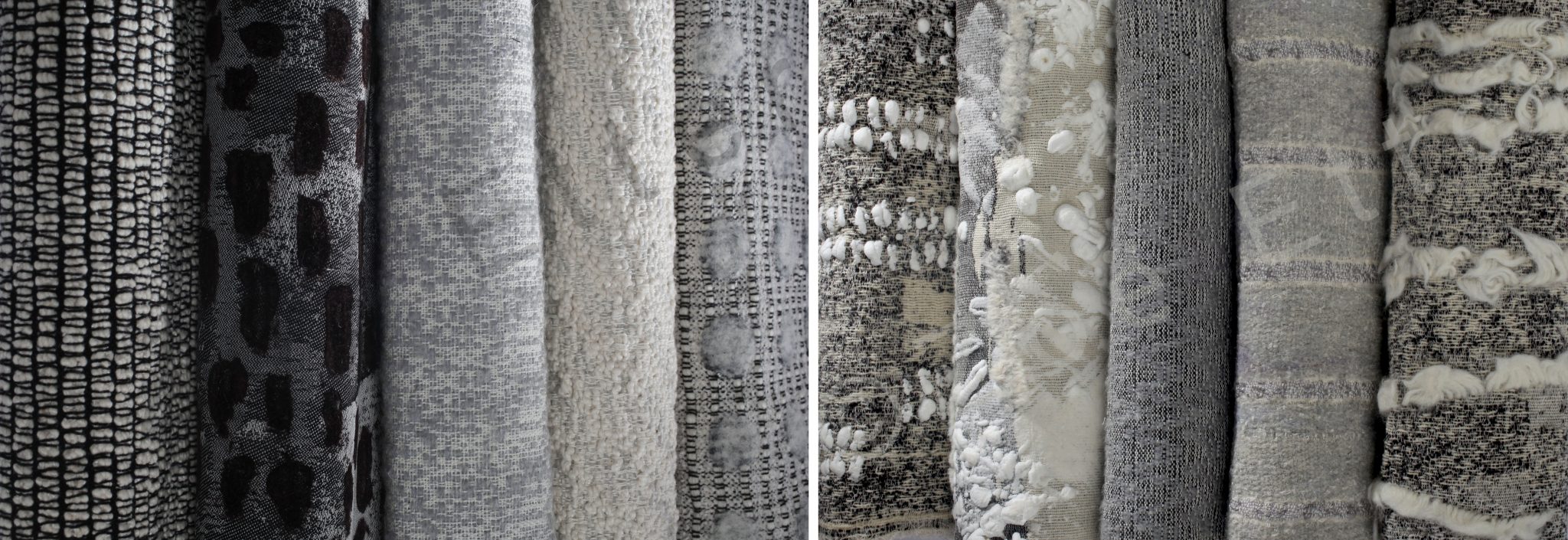 Up-and-coming Fabric Designer, Zoë Etter, was recently commissioned by KOTHEA to update our linen ‘Alpha Boucle’ upholstery fabric for S/S 2017 to incorporate new elements for the luxury market. The muted fabric features the addition of embellished and tufted yarn in simple linear shapes which are designed for a smart, contemporary look for the home.
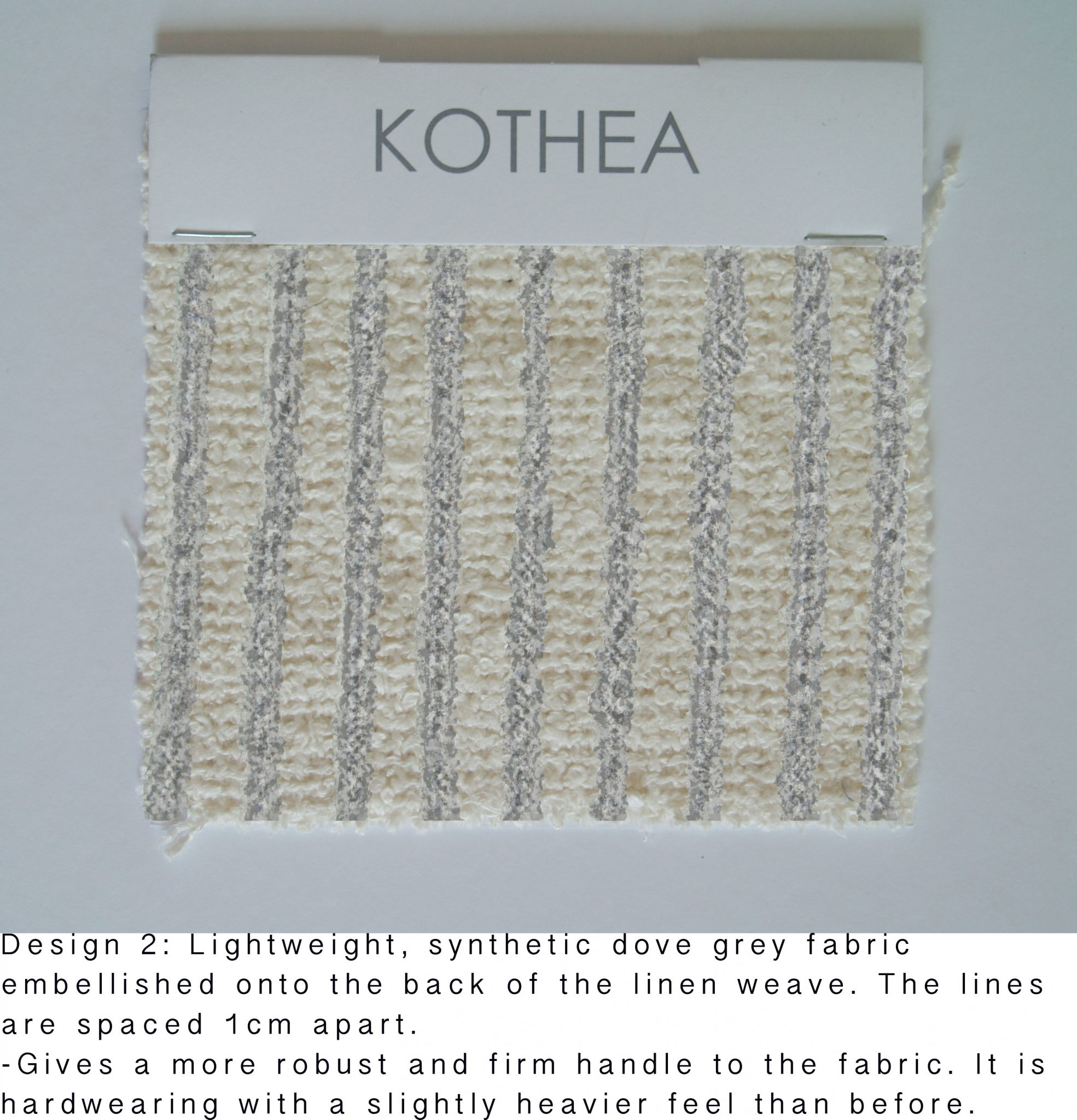 The refined designs are aimed at clients who want a simple, durable style that is visually effective. The soft colourways combined with the rich textures offers flexibility for a statement upholstery that is classic in style with a modern edge. Most suitable for chairs and soft furnishings, the fabrics’ 3D look is inviting, and remains comfortable whilst giving a luxurious feel.
 .
.



 The design firm ZS Group in collaboration with famous Ukrainian fashion designer Serge Smolin designed their new office in the downtown Kiev. The mix of styles, forms and materials used for the design highlights the frenetic rhythm of the modern megapolis. Designers created a beautiful space for work, meetings and discussions about modern art and design.