
Double width sheers are great as they reduce the quantity of seams in the final, made-up treatment as well as reducing the cost or making up. We have several ineresting and unusual geomnetric designs for Spring 2015

Passionate About Fabrics

Double width sheers are great as they reduce the quantity of seams in the final, made-up treatment as well as reducing the cost or making up. We have several ineresting and unusual geomnetric designs for Spring 2015

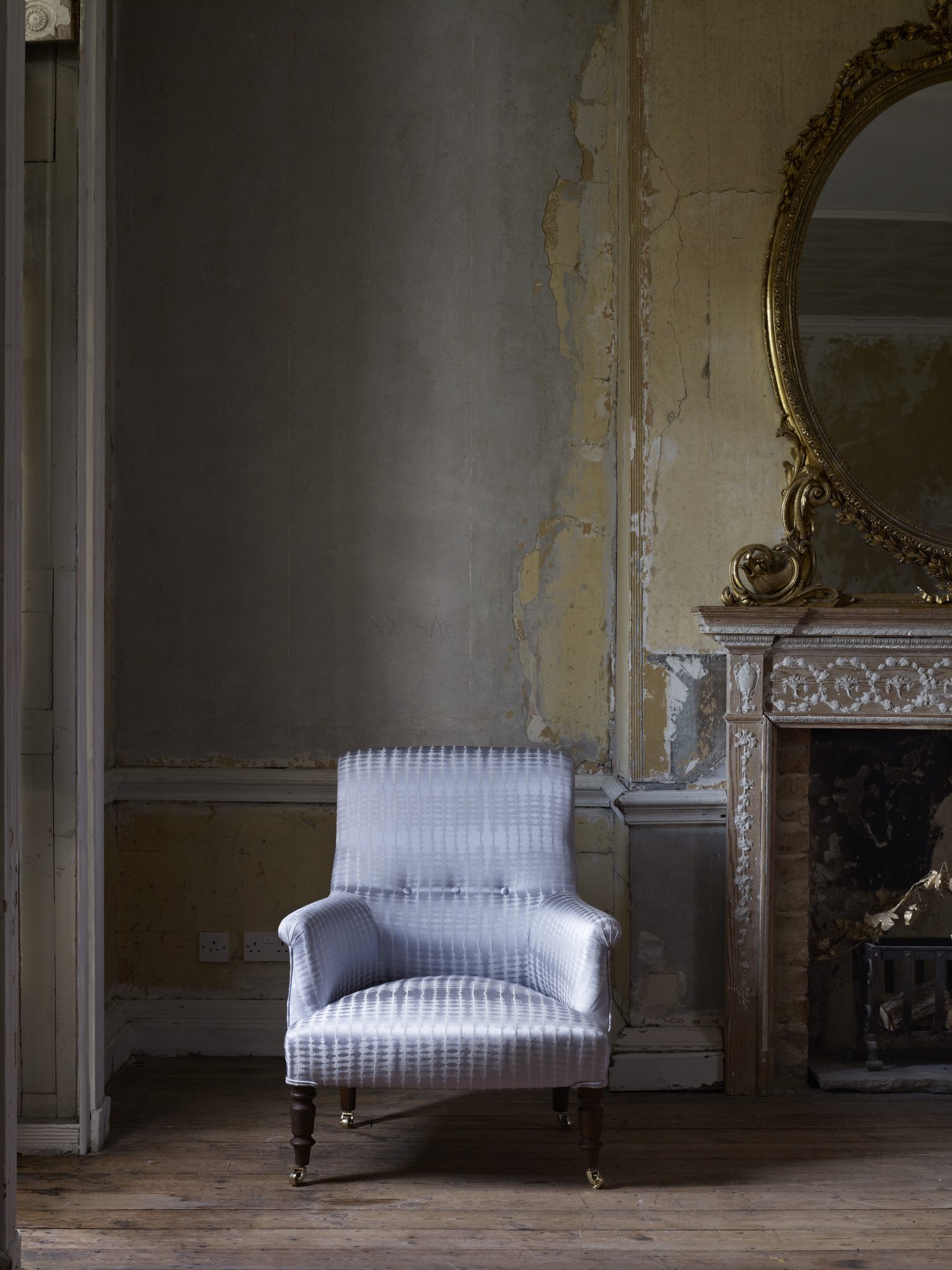
New for Spring 2015, striking and shimmering design beautifully upholstered on an occasional chair.


Our Spring Collection of upholstery fabrics and double width sheers includes this striking geometric design.

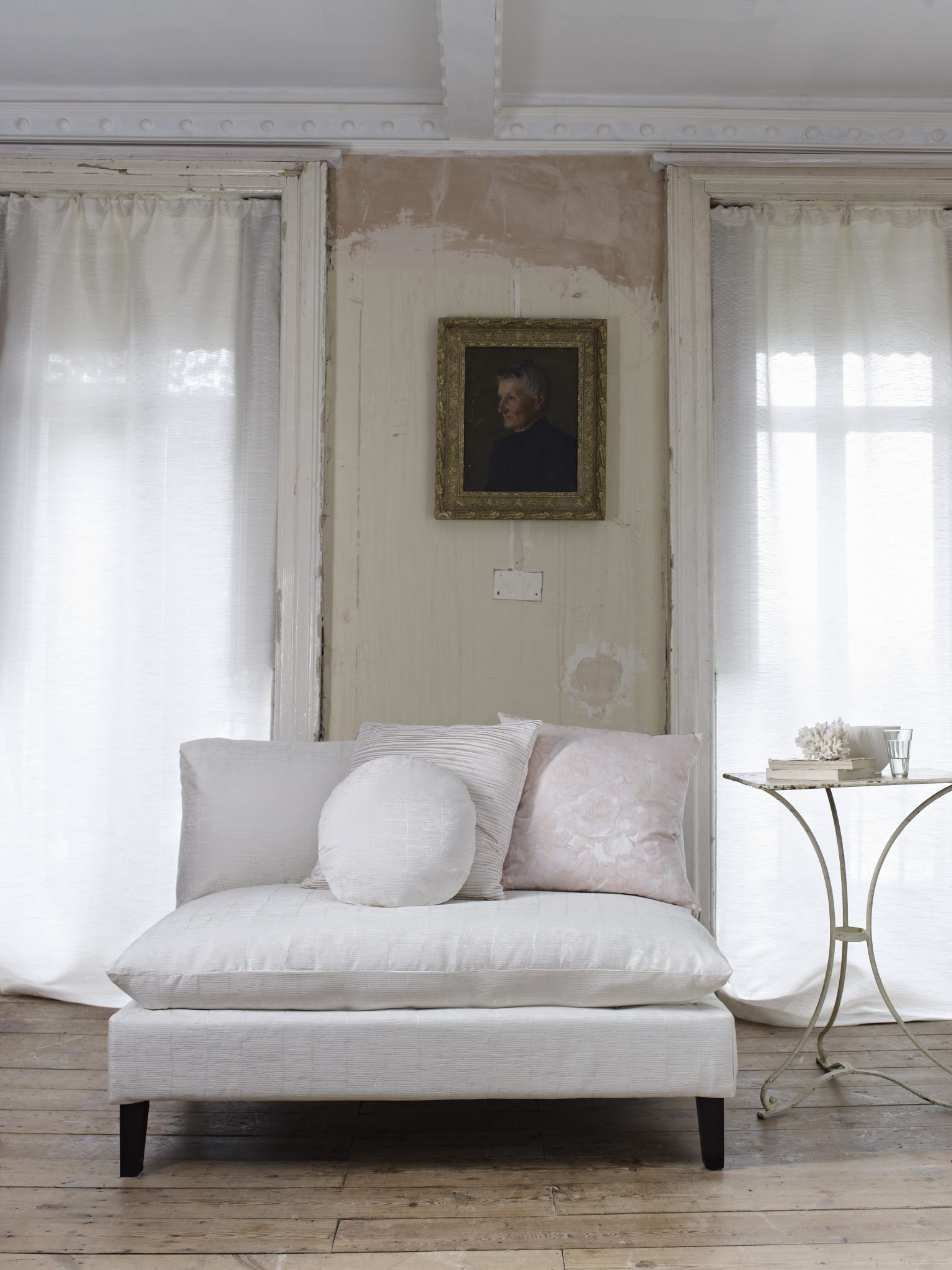
Some farbics beautifully arranged from our Spring 2015 Collection. A vey nice (we think) staged image in a set full of light diffused from some white souble-wodth sheers. 3 differing and contrasting cushions arranged off-centre on white contempoary seating
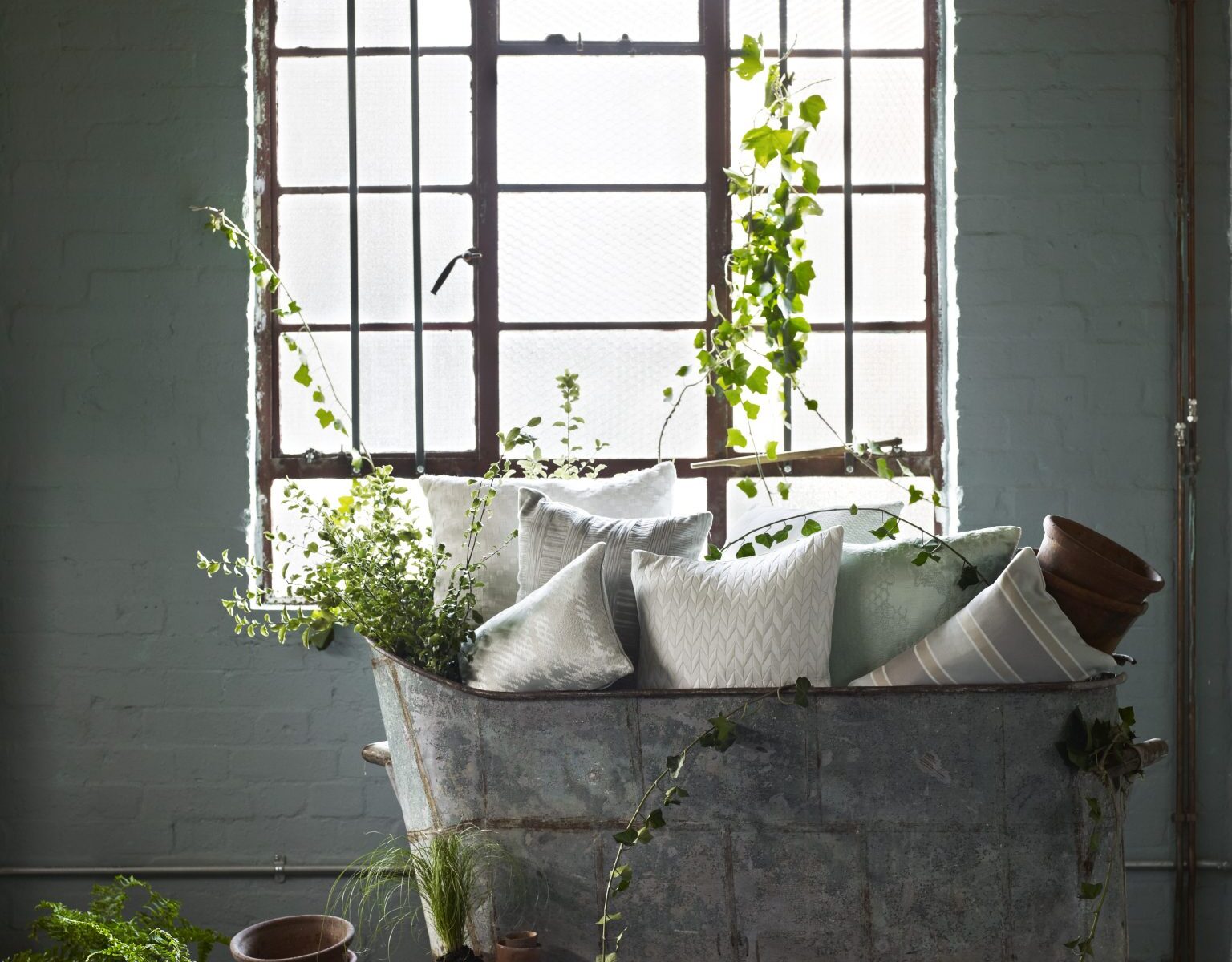

When your sofa is full up the obvious place to put your spare cushions is in that bath tub in the corner of your lounge. We have several new Spring 2015 collections waiting to hit the sewing machines of London.

A well-made sofa is an enduring investment. Juliette Barrell of Wesley-Barrell talks to thehousedirectory.com and offers a comprehensive guide to selecting a sofa, highlighting its construction, size, style, shape, fabric and comfort.

Q. What is the traditional method of constructing a sofa?
A. The most important element of a good quality sofa is the frame. A frame should be solid wood which has been carefully dried to prevent warping and cracking. Traditional construction uses a combination of hardwoods such as beech for the structural rails combined with soft wood to provide flexibility and ‘give’. Frames are glued and screwed and deep coil springs added to the seat base overlaid with layers of natural materials. A quick assessment to determine a well-constructed sofa frame is that it should be heavy to lift.

Q. Why is traditionally constructed furniture more expensive than foam filled upholstery?
A. Layering of good quality natural materials takes more time than just using foam exclusively. The benefits are that you get a combination of natural resilience of the different layers; rubberised hair, wool and cotton, which means the padding materials retain their shape and the contours of the sofa look good for longer. Natural materials allow air to circulate, working to keep you warmer in the winter and cooler in summer.
Q. How do you determine the size of sofa suitable for your room?
A. Use paper templates cut to the actual size of the furniture you are planning before making your decision and draw your room and furniture to scale to get a sense of the best use of available space. Large, higher ceilinged rooms will need larger pieces to clearly define the seating area within the space. Modular sofas with streamlined arms and large cushions are ideal for open-plan living spaces as they maximise seating possibilities and are flexible enough to fit in awkward corners.
Q. Which styles are best for small rooms?
A. Compact styles with slim arms and fixed sprung backs look less bulky and suit a smaller space. Sofas on wooden legs will lighten the look within a small room. Bench style single seat cushions will enhance the available seating space on a small sofa whilst love seats have become a popular option for smaller rooms.
Q. Which styles of sofas are ‘timeless’?
A. Sofa styles inspired by classic English designs, reinterpreted and refined for contemporary tastes are less likely to date and offer a timeless appeal. Arm styles are key to defining a classic sofa; look out for scroll, lollipop or swan neck arm shapes.

Q. Would you recommend loose back cushions or fixed back?
A. Fixed back sofas are lower maintenance than a loose back cushion style as you will only need to plump the seat cushions, so ideal for busy households.
Q. What types of fabric coverings wear best?
A. Strong textured weaves and wools are exceptionally hard wearing and wools are also inherently flame retardant. Traditional Jacquard weaves, upholstery weight damasks and velvet chenilles also wear well. Fabric with an element of man-made fibre in its composition adds tensile strength and a sturdy leather will age gracefully. Always ask about rub tests – (which determine how many rubs a fabric can withstand before it tears or changes in appearance). We would recommend over 20,000; anything under is really for light or decorative use only.
Q. Which fabric designs and colours are currently popular?
A. Textured plains in natural colours remain popular giving scope to inject colour and drama by using more vibrant fabric for scatter cushions or an occasional armchair or footstool. Chartreuse greens have continued to appeal along with classic taupe and duck egg combinations remaining a perennial favourite, whether used on prints or in small patterns. Blues in all their hues have been a key trend this year: from sky blues to teal and indigo partnered with green, yellow or grey.
Q. Are there any rules regarding mixing styles of sofas and armchairs?
A. Aim to mix styles of similar scale and proportion. Choose arms with a similar profile on the chair and the sofa so that the two share the same vocabulary of design and complement each other. Armchairs with fixed backs rather than a loose back cushion, such as a tub or fireside wing chair, tend to work well with most sofa styles. French or English show-wood armchairs are a great alternative to a fully upholstered chair; they often take less space and give a more informal, personalised feel to a room scheme.

Q. When would you choose loose covers over upholstered furniture?
A. Loose covers are practical for family rooms that are likely to get plenty of wear. Tailored loose covers will look smart whilst easy fit loose covers in cotton or linen fabrics in natural shades lend an informal relaxed style to a room.
Q. Fringing, braid, tassels, upholstery studs, self-piped…how do you choose?
A. Classic English sofa styles such as the Wesley-Barrell ‘Knole’ sofa lend themselves well to bullion fringing to the seat base and tassel ties. Ruched braids and tufts work well to detail a scatter cushion or bolster whilst upholstery braid finishes a show wood frame chair to hide upholstery tacks. Studs work well on leather and tapestry fabrics to detail the profile or arm or define the line of the seat base. Piping and contrast piping is another slightly more relaxed way to tailor your sofa, be it on cushions or arm contours.

Q. When are valances on sofas the best option; how do you select the legs of a sofa?
A. Valances are less popular than they were 10 or 15 years ago and tend to be a feature of the more formal English styles. Turned legs and more contemporary square tapered legs have become a design feature of many sofas helping to make the sofa look less bulky.
Q. What types of cushion fillings are available?
A. Duck feather is a natural, luxurious cushion filling that is durable, warm and fire retardant but will need plumping daily to maximise loft. For lower maintenance options fibre and feather and soft foam with a feather wrap offers more support, recovers its shape quickly and will not need daily plumping. 100% polyester fabric fillings, such as Quallofil, provide a non-allergenic choice. Foam is the firmest seat cushion interior, giving a neat appearance and requiring minimum maintenance.
Q. Do you have any advice about the arms on a sofa? When is it best to select an armless style?
A. Armless styles where space is limited or you require a more open look can be a useful option, often available with modular sofa styles.
Q. Can you sum up the most important tips one should remember when buying a sofa?
A. Write a checklist itemising what you need from your sofa. The ideal sofa must look good but be comfortable and practical to fit in with your lifestyle. Include measurements and consider access. Always ask how the sofa has been constructed and whether it meets British Standards. Good quality frames should be guaranteed for at least 10 years. Find out how the sofa has been sprung and the type of padding materials used. Inspect the upholstery carefully to see how well it has been finished. Have back panels and valances been sewn rather than stapled on? If you are buying as a couple, ensure you both try out the sofa for comfort. If you are very different heights it might be better to consider an armchair too. The choice of fabrics can be overwhelming. Seek advice from the sales consultant considering practicality, colour and pattern.

Wesley-Barrell make an extensive range of traditional, informal and contemporary sofa and armchair styles. Their traditional upholstery methods have hardly changed for generations (they use seasoned wood frames, coil springing and natural materials) ensuring high standards of quality and strength. If after reading these tips from them you still need more guidance, they have experienced consultants in 14 showrooms all over the UK.
For your nearest showroom, visit: www.wesley-barrell.co.uk
Brochure Line: 00 44 (0)1993-893130 Enquiries: 00 44 (0)1993-893100
Here are a great selection of London based upholstery companies. Some of them are relatively small and other are very considerable and long-established companies. They are not necessarily at the upper end of the market, nor the bottom. I guess I could more easily say here is a range of upholstery and re-upholstery companies in London ! Enjoy, in no particular order.
Barnes Upholstery – 020 8255 9797 info@barnesupholstery.co.uk/
Sofa And Chair Co – 020 8752 8938 info@thesofaandchair.co.uk

Whilst we have dealt with some of these companies as clients this post is not intended as a specific recommendation, or otherwise, of any of them.
SJ Upholstery 078 7652 8213
Moore’s Upholstery – 020 8421 5448
Chelsea Upholstery 020 7384 1666 info@chelseaupholstery.co.uk
Brown Antiques 020 7736 4141 sales@brownantiques.com
Fine Line Upholstery – 020 7407 7438 info@finelineupholstery.co.uk
Upholstery Village – 020 7731 6586 UpholsteryVillage@hotmail.co.uk
HJ Cooper – 020 8788 8673 enquiries@hjcooper.com
Barnett Upholstery 020 7622 9347 s.carter@barnettupholsteries.co.uk
7 Upholstery – 020 7613 4925 upholsterye27dj@yahoo.co.uk

For specification guides see: The Martindale Rub Test and BS 5852 Crib 5.
A list of fabric types, finishes, and terms for interior designers and specifiers.
Acrylic Manmade fibre derived from petrochemical by-products.
Aubusson Fine, hand-woven tapestry used for wall hangings or carpets. Named after the famous French village where they were originally made.
Basket Weave Plain weave where two or more warp yarns interlace with the same balance of filler yarns so that the fabric surface resembles a basket.
Batik An ancient Japanese resist printing technique. Wax is blocked on the cloth to cover the design before dyeing and after the wax is removed by a washing procedure the design takes shape.
Batiste A translucent plain-weave sheer fabric made with fine long staple cotton.
Block Printing A hand-printing process where the motifs have been carved on wooden blocks. The dye is applied to the fabric from these blocks in a procedure similar to the rubber stamp technique.
Border A border is a gimp, but wider. This trim is sometimes woven in plain patterns, such as stripes or chevrons.
Boucle A novelty yarn that is looped and crimped to produce a pebbly surface.
Brocade A figured fabric often of silk with an embroidered look. The motifs are frequently floral and elaborate. They are raised on the surface of the cloth. It cannot be used on the reverse side but is easily identified by the floating yarns that appear there. Origin: Medieval Latin; brocade – to embroider.
Brocatelle A heavy fabric similar in appearance to a damask. The filler yarns (often linen) give it an embossed look. Originally it was made to imitate 19th century Italian tooled leather.
Brush Fringe A brush fringe is a cut fringe that has a flat skirt made of thin yarns.
Bullion Fringe Bullion Fringe is made of cords, rather than yarns. The heading can be plain or decorative.
Burn-out Printing The application of an acid solution to dissolve an opaque fibre from a translucent sheer of blended yarns. After this process, the desired motifs appear in silhouette on the surface of the fabric.
C.O.M. Customer’s Own Material.
Calendaring The procedure of pressing fabric between heated and rotating cylinders to give a smooth glossy surface.
Casement Cloth A light-weight textile made in a combination of fibres usually dyed in light neutral colors.
Cashmere A fine fibre obtained from the undercoat of the Himalayan Cashmere goat.
Chenille Derived from the French word for “caterpillar”. A special yarn with pile protruding on all sides, produced by first weaving a fabric, which is cut lengthwise between each of these groups of warp yarns, each cutting producing a continuous chenille which is then twisted.
Chiffon Plain weave, soft, sheer fabric – often silk or rayon yarns.
Chinoiserie A Chinese decorative style that was extremely popular in France and exemplified by its vogue in England especially during the reign of Queen Anne.
Chintz A cotton fabric, with or without a printed pattern, with a glaze created by applying resin and calendaring.
Cord Cords consist of plied yarns (plies) that have been twisted together. Cords are frequently used in place of fabric welting.
Cotton A vegetable fibre composed of pure cellulose. It is soft and absorbent, and takes dyes and special finishes extremely well. Strong and durable, it has excellent resistance to piling and abrasion. Mercerization enhances all these inherent qualities.
Crewel Embroidery An embroidery made with coloured wool yarns stitched on unbleached cotton or linen, usually in a vine or leaf formation with floral details added. Its popularity began in England during the late 17th century.
Damask A patterned fabric with a reversible design of contrasting satin and dull surfaces. Most commonly woven in silk, cotton or linen, it may, however, consist of a combination of these or other fibres. Origin: Damascus in Asia Minor.
Dimensional Stability The degree to which a fabric will retain its original shape in various atmospheric conditions.
Duck A broad term for a wide range of plain weave fabrics, duck is usually made of cotton, although sometimes linen is used. The terms canvas and duck are often interchangeable, but “canvas” often is used to refer to the heavier constructions.
Dupion A silk reeled from double cocoons or dupions. This yarn has excellent tensile strength.
Embossed An effect obtained by rolling fabric between engraved cylinders so that the design appears in relief on the face of the cloth.
Faille A fabric of the rep variety where the construction of pronounced cross-ribs gives a corded effect.
Figured Velvet A patterned velvet formed by contrast in cut and uncut loops.
Filling (Weft) An element carried horizontally through the open shed of the vertical warp in a woven fabric.
Flame Resistant Fabric A fabric whose fibre content or topical finish makes it difficult to ignite and slow to burn.
Flannel A woollen fabric whose surface is slightly napped in finish.
Flax The plant from the stem of which best fibre is extracted by retting to produce linen. An erroneous term for linen fibre, particularly in blends.
Frieze or Frise Firm fabric with pile of uncut loops on the surface. Origin: French; frisé – curled.
Gauze A light weight sheer in a plain weave which is translucent and somewhat transparent. Origin: Gaza, Palestine.
Gimp Gimps are flat, narrow, woven textiles made in many styles. One or both edges of a gimp can be plain or cut or have scalloped loops.
Greige Goods Plain fabric coming directly off the loom before it has been bleached or finished. Used mainly for printing.
Gros Point A non directional pile fabric that is warp-looped. It is hard-wearing and extremely resilient. Made of wool or synthetic fibres, it has larger loops than a frieze and resembles the ground area of needlepoint.
Hand Literally, the feel of the goods in the hand; a qualitative term used to describe the tactile properties of a fabric.
Herringbone A twill weave that reverses direction across the fabric to form a chevron.
Houndstooth A pointed check effect produced by a two up, two down broken twill with four ends and four picks in a repeat.
Imberline An effect produced by laying a variety of colors in the warp which reveals a stripe running through the overall design of the fabric. Origin: Adapted from cloth of the uniforms worn by the Swiss Guard, who serve the Vatican.
Iridescent A color effect created by weaving warp ends of one color and a weft of another color. The taffeta weave creates the best iridescent effects.
Jacquard Loom A weaving device that manipulates a series of perforated cards that are attached to the top of the loom. The lifting or lowering of the warp that results make the most intricate designs possible. This revolutionary technique was developed in France by Joseph Jacquard at the turn of the 19th Century.
Jute A bast fibre obtained from the round pod jute or the long pod jute of the family Tiliaceae. Grown extensively in Pakistan and India, mainly in the Bengal district of Pakistan.
Leno Construction used in all good quality open mesh casement cloths. The warp yarns arranged in pairs twist one around the other over the filling yarn making the figure eight. The interlocking (chain) prevents the yarns from slipping. Origin: French; lin – flax.
Linen A cellulose yarn made from natural flax fibres. It is especially noted for its strength, texture and lustre. Cool to the touch although lacking in resilience, it easily creases.
Lisere The design is created by coloured warp threads brought up on the face of the fabric, leaving loose yarns on the back woven vertically, which gives it a vertical stripe effect. Liseres are Victorian in appearance and have embroidered style patterns.
Loom state Goods as they come off the loom before converting/finishing. Called gray or griege.
Matelassé The French word Matelassé means to quilt, to pad. This fabric is woven similar to a brocatelle, having two warps, which in weaving, achieves a puckered or quilted effect.
Mercerized A high-quality finishing process to cotton yarn where the application of caustic soda and tension develop a smooth lustrous surface.
Meter A universally accepted measurement based in hundreds. It is equivalent to 39.37 inches. This measurement is used in the majority of the world.
Mohair A long, white, lustrous hair obtained from the Angora goat. Mohair plush is a fabric with a cut pile of mohair yarns. It is lustrous and extremely strong and will hold a permanent embossing.
Moiré A French word which means watered. A finishing process which produces a wavy or rippling pattern on the fabric. Each fabric moirés differently.
Ombre A fabric made by laying in wefts of yarn that are closely coloured hues that after weaving created a shaded effect. Origin: French; ombre – shadow.
Organza A thin, transparent silk, rayon or nylon fabric made in a plain weave and given a stiff, wiry finish.
Pile Raised loops, cut interlacings of double cloths or tufts (cut loops) and other yarns or fibres deliberately produced on cloth, which form all or part of the surface of the fabric.
Pill A fuzzy ball caused by the rolling up of abraded surface fibres.
Plain Weave The most basic method of interlocking warp and weft threads to form a cloth. Each filling thread passes alternately under and over the warp yarn to make a balanced construction. Also known as a Tabby, this is a strong weave and generally inexpensive to produce.
Ply The number of yarns twisted together to make a composite yarn.
Polished Cotton A combed and carded fabric in satin construction which has been calendared to give a high lustre to the surface.
Polyester A synthetic polymer fibre that is manufactured from coal, water and petroleum. It is strong and durable making a wrinkle resistant fabric.
Railroad To turn a fabric in a direction where the selvages are in a horizontal position. In a plain fabric or when the design is non directional, you can avoid making seams when the width of the goods will accommodate the height required. Some upholstery fabrics are designed in this manner to be used exclusively for furniture.
Rayon The first synthetic fibre, rayon is derived from cellulose (a substance forming the framework of plants). Produced in 1884 by de Chardonnet, a French scientist, it has the basic characteristics of both silk and cotton. Viscose rayon which is used in many decorative fabrics is of a superior quality and is considered the best silk substitute.
Rep or Repp A plain weave fabric produced by weaving large filling yarns through fine warp threads which result in distinct ribs running from selvage to selvage.
Repeat One complete pattern of the fabric measured vertically and/or horizontally.
Sail Cloth A plain woven cotton duck of medium weight that is piece dyed and usually comes in a wide range of colors.
Sateen A satin weave fabric usually made of mercerized cotton in a light weight construction that is primarily used for drapery linings.
Satin Very smooth, lustrous face with duller back on a fabric created by majority of warp yarns showing on the surface. Origin: China; zaytun (tzutíing) – silk.
Selvage The edge on either side of a woven or flat-knitted fabric, often of different threads and/or weave, so finished to prevent ravelling.
Shantung A lightweight silk cloth woven in a plain weave with doupioni yarn.
Sheers Light weight translucent fabrics used mainly for under curtains and casement treatments.
Silk The natural protein fibre unwound from the cocoon of the silkworm. Silk is noted for its resilience, affinity for dyes and strength when woven into a fabric. It has a fine luxurious appearance but is very sensitive to light and is the most costly natural yarn.
Strie A very fine irregular streaked effect made by a slight variance in the color of warp yarns. Origin: French – streaked.
Tabby A plain weave construction in which one warp thread passes over and under a single weft thread. The threads of the warp and weft are of the same size and set with the same number per square inch thereby resulting in a balanced weave.
Taffeta A plain weave that is reversible because the same size yarns are used for the warp and filler. The firm construction is light weight which gives the resulting fabric a crisp hand (feeling). Origin: Persian; taftan – to twist.
Tapestry An intricate weave employing several sets of heavy filler yarns on a single warp which produce a multi-coloured pattern. Originally made with large scale scenic designs that frequently illustrated a tale. They were used as decorative wall hangings but also provided insulation. Origin: Greek; tapíes – rug.
Tassel Tassels come in all sizes, shapes and forms. A hanging ornament consisting of a head and a skirt of cut yarn, looped yarns, or bullion fringe.
Tassel Trim A plain or decorative gimp with attached tassels.
Toile A French word for cloth or fabric, describes a one color, fine line printed design that resembles a pen and ink technique. Toiles are printed by various methods, but the most beautiful are still created by engraved plates or rollers.
Toile de Jouy Printed fabric made at Jouy in France by Philippe Oberkampf from 1760 to 1815. They were usually printed on white or off-white grounds in monotone red, blue, green or black.
Tussah A rough silk extruded from the cocoons of uncultivated silkworms. Slubs appear in the yarn as it is spun which leave uneven depths of color especially after dyeing. Therefore fabric woven with tussah will have an irregular surface.
Tweed A homespun effect created by multi or monochromatic coloured yarns woven on plain looms. The fabric is usually wool or worsted and often has a rough texture.
Twill A basic weave where the filler threads pass over two or more ends in a regular progression. This creates a diagonal pattern. Origin: Scotland; twill – to make a diagonal effect.
Velour A fabric with a pile or napped surface resembling velvet.
Velvet There are 2 types of velvets: cut loop velvets (wire looms that form thread loops, the loops are then cut to form the pile) and double-faced velvets. (2 fabrics are woven, face to face, joined by the weft yarns, which are then cut forming the pile on both faces.)
Warp or End The threads of a textile that run vertically through the loom and are parallel to the selvage.
Weft or Filling The horizontal yarns in a cloth which run selvage to selvage across the fabric.
Wool The fibre made from the fleece of sheep. Noted for its elasticity and lustre, it has an affinity for accepting rich color when dyed. Wool fibres vary in crimp, length and thickness. Wool fabrics are good insulators. The yarns are frequently spun from fleece of several breed of sheep.
Yarn Dyed Cloth that is woven with yarns that have been dyed prior to weaving. Most good quality fabrics are yarn dyed.
Bamboo Treelike tropical and semitropical grasses with woody stems that are typically hollow. Bamboo has a rapid growth and harvest cycle, typically does not require fertilizers or pesticides and requires little irrigation with sufficient rainfall. Bamboo takes in more greenhouse gases than an equivalent stand of timber trees and releases more oxygen into the atmosphere. Although the process of turning bamboo into a viscose yarn requires significant chemical input, bamboo has many eco-friendly characteristics that make it a sustainable fibre.
Biodegradable Biodegradable products are broken down by the action of living organisms when immersed into an ecosystem, reducing environmental waste.
Certified Organic Items that have been grown according to strict uniform standards that are verified by independent state or private organisations.
Closed-loop A type of manufacturing process that utilises a cyclical material flow in order to minimise waste.
Cradle-to-cradle A term used in life-cycle analysis to describe a material or product that is recycled into a new product at the end of its defined life.
Eco-efficiency Reducing the ecological impact of goods and services while producing and delivering desirable, competitively priced goods and services.
Flax See Organic Linen.
Green An adjective used to describe something that is perceived to be beneficial to the environment.
Heavy Metal Any metallic chemical element that has a relatively high density and is toxic at low concentrations. Examples include mercury, cadmium, arsenic, chromium, thallium and lead.
Jute A coarse, brown fibre from the stalk of the bast plant, grown in India.
Organic The process of treating and processing fibres and yarns without the use of synthetic harmful chemicals or pesticides. Fibres that fall into this category include organic cotton, organic hemp and organic linen.
Organic Cotton Traditional cotton production uses more chemicals per unit than any other crop. Organic cotton is grown without pesticides or chemical additives to fertilizer, relying instead on methods with less ecological impact.
Organic Hemp Hemp grown without pesticides or chemical additives to fertilizer. Hemp replenishes soil with nutrients and nitrogen, making it an eco-friendly fibre.
Organic Linen A natural fibre made from the flax plant and grown without pesticides or herbicides. Organic linen is one of the most ecological of natural fibres as no irrigation is necessary, the flax plant purifies the soil, and it is biodegradable and recyclable.
Recycled Fibres Fibres made from post-consumer and post-industrial material. Recycled fibre lessens dependence on raw resources, reduces waste and produces less pollution.
Renewable Capable of being replaced by natural ecological cycles or sound management practices.
Silk The only natural fibre that comes in a filament form; from 300 to 1600 yards in length as reeled from the cocoon, cultivated or wild.
Sustainable A method of harvesting or using a resource so that the resource is not depleted or permanently damaged. Sustainable fibres come from rapidly renewable resources with growth and harvest cycles of five years or less. Fibres that fall into this category include alpaca, bamboo, cotton, linen, mohair, hemp, wool, and cork.
Wool The fine, soft, curly hair that forms the fleece of sheep and certain other animals. Wool is characterised by minute, overlapping surface scales that give it its felting property. Wool is a renewable resource.
<
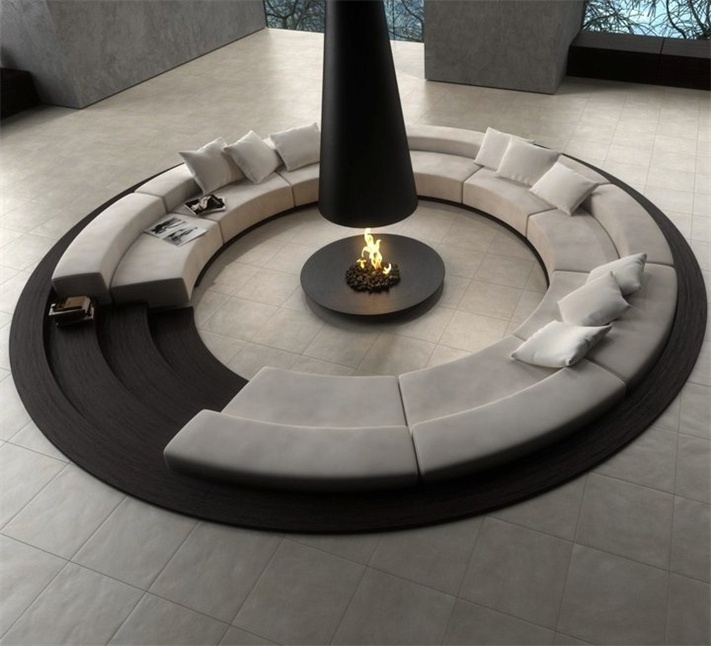
We like the unusual off-white faux leather upholstery on this circular, sunken seating area. A much more refined version of the increasingly popular BBQ pit. KOTHEA white faux leather upholstery is emminently suitable for this type of area with high levels of durability for home or contract applications.