Top UK Interior Designers 2026: London and National

Top UK Interior Designers 2026: London and National

The following is a curated reference list of interior design studios and practitioners active in the UK in 2026, compiled for homeowners, property developers, and clients seeking design representation for residential and commercial projects. The list is organised by location — London studios first, followed by national coverage — and listed alphabetically within each section. No ranking is implied. All studios listed were active and accepting new commissions at the time of compilation.

Kothea is a trade-only supplier of luxury fabrics based in London. We supply fabric directly to interior designers and architects. If you are a homeowner seeking a designer, the studios below can advise on the full range of fabric options available through trade accounts.

Request Samples

Order cutting samples of any fabric from our current collections. Trade accounts only.

Order Cuttings

London Studios

Beata Heuman. Stockholm-born, London-based, Beata Heuman’s studio produces interiors of playful sophistication — bold colour, idiosyncratic furniture, and a distinctive blend of Scandinavian restraint with maximal personality. Her residential work has been widely published and her aesthetic is among the most recognisable in contemporary London design. Website: beataheuman.com

BradyWilliams. Founded by Shayne Brady and Emily Williams, BradyWilliams offers a comprehensive bespoke interior design service for residential and commercial clients. Known for acute detailing, timeless design, and strong project management, the studio operates across London and internationally. Website: studioshaynebrady.com

Buchanan Studio. Led by Jessica Maybury, Buchanan Studio specialises in high-end residential projects with an emphasis on craftsmanship, natural materials, and considered materiality. The studio’s work has a quiet confidence and a strong understanding of bespoke joinery and architectural detail. Website: buchanan.studio

David Collins Studio. One of London’s most established luxury design studios, founded in 1985. The studio — now led by Iain Watson and Simon Rawlings — has defined interiors at iconic London locations and continues to work across hospitality, retail, and high-end residential. Known for layered palettes and architectural precision. Website: davidcollins.studio

Design Haus Liberty. Founded by Dara Huang, Design Haus Liberty blends mid-century and contemporary European influences across residential and commercial projects. The studio has worked with Four Seasons, Cartier, and LVMH alongside a significant private residential portfolio. Website: dhliberty.com

Elicyon. A luxury studio based in Kensington, led by Charu Gandhi. Elicyon works across interior design, interior architecture, and project management on some of London’s most prominent prime residential developments including One Hyde Park, with an international portfolio extending to Dubai, Monaco, and Singapore. Website: elicyon.com

Fran Hickman Design and Interiors. Fran Hickman’s studio is characterised by bold colour, pattern, and confident maximalism. Her residential work is full of personality and her commercial portfolio includes Soho House properties. A strong choice for clients who want distinctive, colour-forward interiors. Website: franhickman.com

Kelly Hoppen Interiors. A global name in luxury interior design, Kelly Hoppen’s studio is known for its East-meets-West aesthetic — neutral palettes, geometric precision, and harmonious spatial composition. The studio has worked on celebrity homes, luxury yachts, hotels, and aircraft. Website: kellyhoppeninteriors.com

Katharine Pooley. Katharine Pooley’s Knightsbridge studio produces polished, sophisticated interiors for the most discerning clients. Her work spans Mayfair and Belgravia townhouses through to international luxury residences and is consistently among the most refined in the London luxury market. Website: katharinepooley.com

Lawson Robb. Lawson Robb bridges architecture and interior design with particular expertise in high-end residential and superyacht interiors. The studio’s technical capability — integrating complex AV, lighting, and environmental systems seamlessly into the interior — sets it apart from purely decorative practices. Website: lawsonrobb.com

Martin Brudnizki Design Studio. Founded in 2000, MBDS is known for bold, timeless, and immersive spaces across hospitality, retail, and residential. Notable projects include Annabel’s, Bacchanalia, and numerous hotel and restaurant interiors in London and New York. Website: mbds.com

Natalia Miyar. Cuban-American designer Natalia Miyar brings an international perspective to London’s design scene. Her interiors are glamorous, refined, and impeccably detailed, with a particular strength in luxury residential. Her studio has grown rapidly since its founding and is among the most watched in the current London market. Website: nataliamiyar.com

Nicky Haslam Design. Nicky Haslam is one of Britain’s most celebrated decorators, internationally renowned for original, glamorous, and authoritatively realised commissions spanning decades. His studio continues to work across residential, hospitality, and commercial projects. Website: nickyhaslamstudio.com

Nina Campbell. Nina Campbell established her practice and shop in 1974 and remains one of the most respected and influential interior designers in the world. Known for stylish, characterful interiors and for her own collections of fabrics and wallpapers, her studio continues to deliver residential and commercial commissions of the highest quality. Website: ninacampbell.com

Oliver Burns. Led by Sharon Lillywhite, Oliver Burns Studio has become an esteemed practice serving some of the world’s wealthiest families and luxury property developers. The studio’s focus on thoughtful luxury, artisanal sourcing, and narrative-led design has produced a client list spanning Belgravia townhouses to international country estates. Website: oliverburns.com

Retrouvius. Not a conventional design studio — Retrouvius specialises in architectural salvage and designing interiors around reclaimed materials. The results are entirely unique: spaces with genuine material history and character that cannot be replicated with new materials. A first choice for clients who want sustainability and authenticity above all. Website: retrouvius.com

Rose Uniacke. Working from her Pimlico Road showroom — part gallery, part antique shop, part design studio — Rose Uniacke creates interiors of extraordinary calm and refinement. Spare, elegant rooms furnished with carefully sourced antiques and her own furniture line. Among the most admired British designers of her generation. Website: roseuniacke.com

Sibyl Colefax and John Fowler. The most venerable name in English decoration, with a client list spanning generations of aristocratic and distinguished families. The current team maintains the firm’s tradition of scholarly, comfortable English country house style while remaining fully contemporary in its approach. Website: sibylcolefax.com

Staffan Tollgård Design Group. An award-winning architectural interior design practice offering a bold take on residential interiors. Staffan Tollgård’s style draws on Asian and Scandinavian functionalism combined with a strong appreciation of furniture as sculptural art. Website: tollgard.com

Studio Ashby. Sophie Ashby’s studio is one of the most consistently exciting in London — warm, layered interiors that mix mid-century pieces with contemporary art and artisan-made objects. Recent projects include The Whiteley development in Bayswater and a growing hospitality portfolio. Website: studioashby.com

Studio Hessian. Scarlett Hessian trained as an architect and brings a rigorous spatial intelligence to residential and commercial interiors. The studio has a significant international presence across London, Stockholm, and the west coast of the United States. Website: studiohessian.com

Taylor Howes. Taylor Howes Designs operates across prime central London and international markets, delivering sophisticated, elegantly layered interiors for high-net-worth residential clients with an established presence in Mayfair, Knightsbridge, and Chelsea. Website: taylorhowes.co.uk


National Coverage

Ben Pentreath. Based in Dorset with a London office, Ben Pentreath is among the most respected English decorators working today. His interiors draw on a deep knowledge of English architectural history and decorating tradition — layered, colourful, and deeply comfortable. His influence on a generation of younger British designers is significant. Website: benpentreath.com

Eadie and Crole. Founded in 2019 by Sophie Eade and Fi Crole, Eadie and Crole operates from Hampshire with a portfolio spanning London townhouses and country house projects across the south of England. Known for elegant, understated interiors that pair subtle hues and natural textures with antiques and contemporary art. Website: eadieandcrole.com

Emily Smoor Interiors. Based in Edinburgh, Emily Smoor’s practice began as an upholstery studio and evolved into full residential and commercial interior design. Her interiors are eclectic, texture-rich, and characterised by a talent for sourcing and combining pieces from different eras and places. Website: fantoush.com

Henry Prideaux Interior Design. Henry Prideaux offers sophisticated, practical schemes notable for unexpected and extraordinary moments. Based from a showroom-studio in Twickenham with a portfolio of residential projects across London and the home counties. Website: henryprideaux.com

Max Rollitt. Max Rollitt is an interior designer, furniture-maker, and antiques dealer working from his Hampshire showroom at Yavington Barn. His interiors are distinctive for their layers of colour, texture, and history — richly composed rooms drawing on antiques, bespoke furniture, and a sophisticated understanding of English decoration. Website: maxrollitt.com

Rita Konig. British-born Rita Konig is a sought-after talent on both sides of the Atlantic, known for her acute understanding of comfortable, personal, and quietly stylish interiors. Her recent collections with Schumacher have further established her international profile. Website: ritakonig.com

SHH Architecture and Interiors. SHH is a London-headquartered practice with a national reach, known for bold palettes, architectural confidence, and exacting detail across residential, hospitality, and commercial projects. Listed in Country and Town House’s 50 Best Interior Designers in the UK in 2025 and 2026. Website: shh.co.uk

Sims Hilditch. Sims Hilditch operates from the Cotswolds and London, specialising in English country houses and town houses. The studio is known for warm, layered interiors that combine strong architectural understanding with a fine eye for antiques, textiles, and colour. Website: simshilditch.com


This list is updated periodically. If you are an interior designer or studio and would like to be considered for inclusion in a future edition, contact us via kothea.com/contact.

Kothea supplies trade fabric to interior designers and architects.

Request Samples

Order cutting samples of any fabric from our current collections. Trade accounts only.

Order Cuttings

Pilling Resistance in Upholstery Fabric: A Guide for Interior Designers

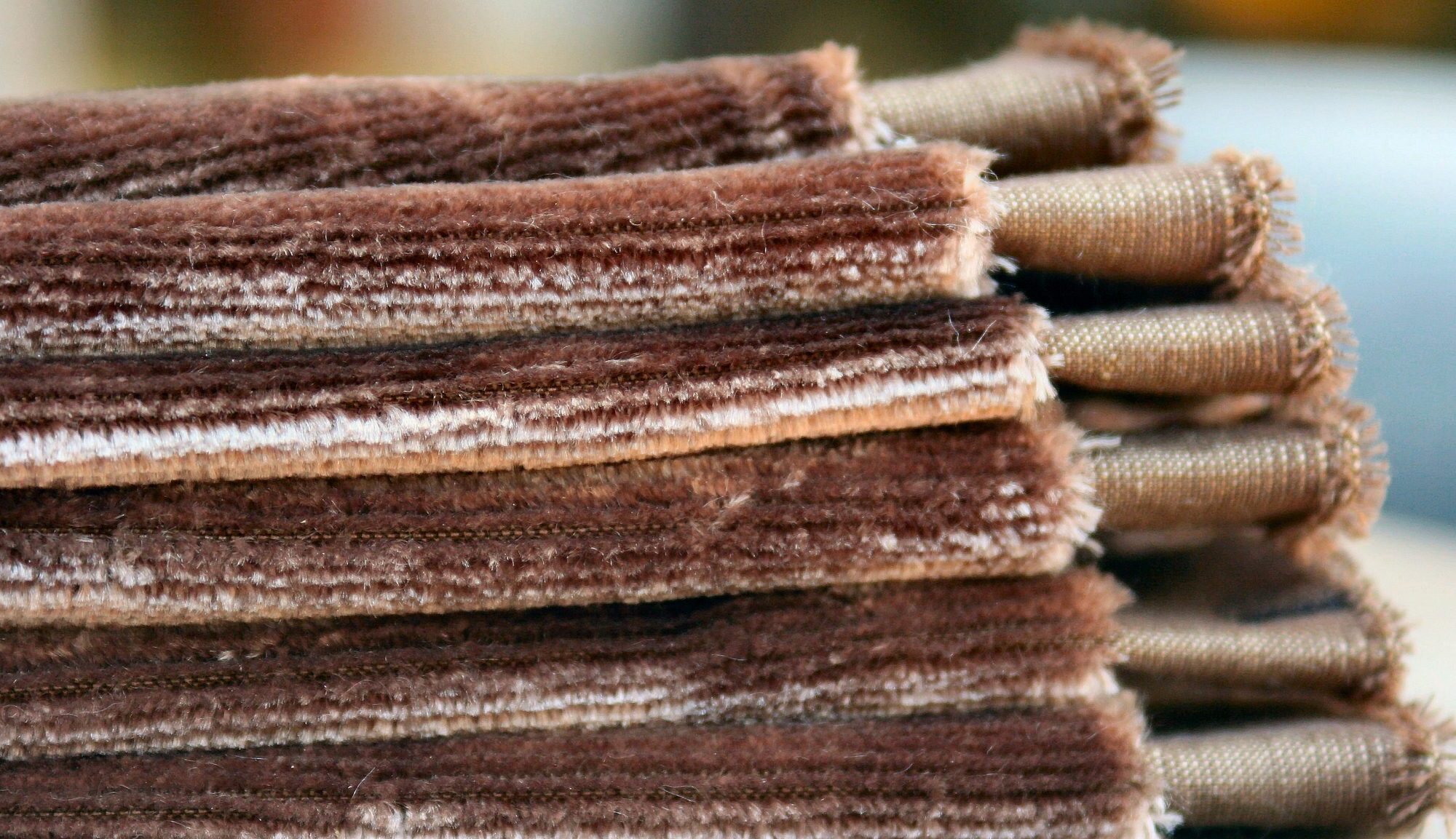
Silk Velvet Upholstery Mohair

Pilling Resistance in Upholstery Fabric: A Guide for Interior Designers

What pilling is: Small balls of tangled fibre that form on the fabric surface through friction and use, altering appearance even when the fabric remains structurally intact.
The test: ISO 12945-2 Martindale pilling test, graded 1 to 5. Grade 5 is no change. Grade 4 is slight surface fuzzing. Grade 3 is moderate pilling. Contract minimum is grade 4.
Highest pilling risk: Short-staple fibre blends, loosely twisted yarns, natural-synthetic blends.
Lowest pilling risk: Long-staple natural fibres, tightly twisted yarns, high-density weaves, mohair velvet.

A fabric can achieve 80,000 Martindale rubs and still pill badly. Abrasion resistance and pilling resistance are distinct properties measured by different tests. A fabric that resists structural wear may nevertheless develop an unsightly surface of small fibre balls within months of use, fundamentally altering its appearance without any yarn breaking. For pile fabrics in particular, pilling can destroy the visual quality of a fabric long before its structural integrity is compromised. This guide explains what causes pilling, how it is tested, which fabrics carry the highest and lowest risk, and what to specify to avoid problems in contract use.

For abrasion resistance and Martindale rub counts, see our Martindale rub test guide. For velvet types and their performance characteristics, see our velvet types compared guide.


What Causes Pilling

Pilling begins when individual fibres work free from the yarn structure through friction and mechanical stress. Loose fibre ends at the surface of the fabric are caught by adjacent surfaces and tangled together into small balls. These balls remain attached to the fabric by the fibres still anchored within the yarn, which is why they do not simply fall off. The ball continues to grow as more loose fibres are captured and incorporated into it.

The size and tenacity of pills varies by fibre type. Natural fibres produce pills that are relatively fragile and may eventually detach from the fabric surface through continued friction. Synthetic fibres produce pills that are anchored by stronger fibres that do not break under continued use. The pills grow, persist, and resist removal. This is why fabrics containing synthetic fibres often pill more visibly and permanently than pure natural-fibre fabrics.

Blended fabrics often pill worst of all. The short, weak natural fibres break loose from the yarn easily, producing the loose ends that form pill nuclei. The stronger synthetic fibres then anchor the pills to the fabric surface, preventing them from detaching. The result is persistent, anchored pills formed from natural fibre content but held in place by synthetic fibre anchors.


The Pilling Test: ISO 12945-2

Pilling resistance is tested to ISO 12945-2 using the Martindale machine with a different abradant. For pilling assessment, the fabric sample is rubbed against itself rather than against a worsted wool abradant. The machine runs for a defined number of cycles and the sample is then assessed visually against reference photographs and graded on a scale of 1 to 5.

Grade 5 indicates no change. Grade 4 indicates slight surface fuzzing or early-stage pilling, barely visible in normal viewing conditions. Grade 3 indicates moderate pilling, noticeable in normal use. Grade 2 indicates distinct pilling. Grade 1 indicates severe, dense pilling across the whole surface.

The test is typically run at 125, 500, 1000, and 2000 cycles. A fabric assessed at 2000 cycles with a grade of 4 or above is considered acceptable for contract upholstery use. The contract minimum is grade 4. A fabric achieving grade 3 at 2000 cycles will show noticeable pilling in use and is not appropriate for contract seating applications regardless of its Martindale abrasion count.


Fibre Types and Pilling Risk

Mohair. Lowest pilling risk of all natural-fibre velvets. The long-staple mohair fibre has fewer free ends per unit length of yarn than short-staple fibres. Fewer free ends means fewer pill nuclei. The smooth surface of the mohair fibre also means that free ends slide rather than tangle, reducing the rate of pill formation. Mohair velvet in contract grades typically achieves grade 4 to 5 at 2000 cycles.

Wool. Low to moderate pilling risk depending on fibre length and yarn construction. Merino wool pills less than coarser short-staple wool. Tightly spun wool yarns pill less than loosely spun yarns of the same fibre.

Cotton. Moderate pilling risk. Short-staple cotton varieties pill more than long-staple varieties such as Egyptian or Pima cotton. Cotton velvet is more susceptible to pilling than mohair velvet because cotton fibres are shorter and the pile construction exposes more free ends per unit area.

Linen. Low pilling risk. Linen is a long-staple bast fibre. The fibre length and relatively smooth surface reduce pill formation compared to cotton.

Polyester. High pilling persistence if it pills at all. Synthetic fibres anchor pills rather than allowing them to detach. When pills do form they are tenacious.

Natural-synthetic blends. Highest pilling risk in practice. Specifying blends for contract upholstery requires specific pilling grade confirmation, not just Martindale abrasion data.


Construction Factors That Affect Pilling

Yarn twist affects pilling directly. A high-twist yarn locks fibres into the yarn structure more firmly, reducing the number of free ends exposed at the surface. A low-twist yarn allows fibres to work free more easily. Two fabrics of the same fibre and weight can have very different pilling grades depending on the yarn construction.

Weave density affects pilling by controlling the movement of yarns at the fabric surface. A tight, dense weave restricts yarn movement and reduces the abrasion between adjacent yarns that generates free fibre ends.

Pile construction in velvet affects pilling through pile height and density. A short, dense pile has fewer exposed free ends per unit area than a long, open pile of the same fibre. Contract-grade velvet is typically specified with a denser, shorter pile than residential velvet partly for this reason.


Pilling in Use: What Clients Experience

Pilling in upholstery is most visible in areas of sustained friction — seat cushions where clothing rubs against the fabric, and armrests. In a hotel or restaurant environment, denim in particular is highly abrasive and accelerates pilling. Pilling is not repairable in the way that surface staining can sometimes be treated. A pilled fabric requires either mechanical depilling — a temporary intervention — or replacement. Brief clients on pilling risk at the point of specification, particularly for natural-fibre pile fabrics in contract environments.


Frequently Asked Questions

What is the difference between pilling and abrasion?

Abrasion is the physical wearing away of yarn structure through friction, measured by Martindale rub count. Pilling is the formation of surface fibre balls through the tangling of loose fibre ends, measured separately by ISO 12945-2. A fabric can have a very high Martindale abrasion count and still pill badly. Both should be confirmed before specifying a fabric for contract use.

What pilling grade should I specify for contract upholstery?

Grade 4 minimum to ISO 12945-2 at 2000 cycles. For high-traffic environments, grade 4 to 5 is a more defensible specification. Always confirm the grade for the specific colourway being ordered, as pilling grades can vary between colourways in the same range.

Does mohair velvet pill?

Mohair velvet has the lowest pilling risk of any natural-fibre velvet due to the long staple length and smooth surface of the mohair fibre. Contract-grade mohair velvet typically achieves grade 4 to 5 at 2000 cycles. It is the most pill-resistant natural-fibre velvet available for contract upholstery.

Why do natural-synthetic blend fabrics pill so badly?

Natural-synthetic blends combine the pill-forming tendency of short natural fibres with the pill-anchoring strength of synthetic fibres. The result is persistent, anchored pills that grow with continued use. Blended fabrics for contract use require specific pilling grade confirmation before specifying.


For abrasion test method differences between Martindale and Wyzenbeek, see our Wyzenbeek vs Martindale guide.

For abrasion resistance, see our Martindale rub test guide. For velvet types and contract suitability, see our velvet types compared guide.

Request Samples

Order cutting samples of any fabric from our current collections. Trade accounts only.

Order Cuttings

How to Improve the Look of a Work Area While Thinking About Safety

woman at a computerWhen a team of tradesmen are hired to carry out work on on a commercial building, it’s important to not only think about the design and desired result, but about the health and safety of the employees who will later work in the building too. Whether it’s the look of a car garage, a car park, an office block or a factory that needs improving, there are a number of considerations that need to be factored in…


Fire safety

Fire is a health and safety hazard for every business, which means that fire proofing is essential in a work space. Firstly, you should think about the soft furnishings in your work space: carpets, curtains, fabric blinds and fabric chairs can be highly flammable, so why not try using fire retardant fabric sprays on these materials? Also, fire doors should be fitted in the premises or standard doors should at least be coated with a layer of fire resistant paint.


Smoke detectors, fire extinguishers and fire alarms must be installed to ensure that the work space complies with the government’s health and safety regulations too, and if a sprinkler system is being installed, it will need planning into the refurbishment at the appropriate point.


Finally, a re-designed work space might look the part, but if it doesn’t contain an adequate number of emergency exit points at suitable positions, the design won’t be good enough. Make sure that exit routes are plentiful and properly signposted.


Asbestos

Commercial buildings (particularly those that were built before the year 2000), are likely to contain asbestos in some form. Asbestos is a highly dangerous material for people to work around, and is especially dangerous for tradesmen or contractors who come into contact with: the fibres from asbestos can settle in lungs, causing asbestosis and mesothelioma.


Tradesmen should take care when drilling, removing, cutting or sanding structures in a work space: the materials used for fire protection, insulation or textured coatings often contain asbestos. Contractors should only carry out work involving exposure to asbestos if they’re trained, licensed and insured to handle it.


Flooring

The surface of a work space is a very important consideration too. While a work area can be cleaned using chemically appropriate materials to reduce the risk of slips, it might be better to just repair or replace the floor altogether. Use an anti-slip coating on surfaces to help to minimize the risk of trips and falls, or add a layer of coloured anti-slip paint to brighten up a work area while adding decoration, durability and protection.


Noise and ventilation

In work areas that become excessively noisy (for instance, where cartridge operated tools or heavy machinery is used) it might be necessary to install barriers or protective screens around equipment or areas where noisy processes are carried out. Also, adequate ventilation is essential for work areas such as car garages, factories or warehouses, or anywhere else chemicals and fumes pose a health hazard.


There are many more safety considerations to think about when improving the look of a work area (such as not trailing cables across walkways, ensuring there’s adequate lighting to provide an even lighting level across work areas, and accounting for changes in surface levels using tread markers or other markings), so be sure to work closely with site managers and designers when carrying out refurbishments.

Eclectic Living

Eclectic Interior 1By Anouska Lancaster, www.noushkadesign.com

To me ‘Eclectic’ is all about freeing yourself from the traditional concept of design and being brave enough to buy the things you want simply because you love them. It’s about breaking the rules and surrounding yourself with things that make you happy and showcase your personal style.

The beauty of eclectic living is that things don’t need to match or be neutral. It’s an open invitation to use colour, be bonkers and have fun with bizarre and crazy objects because that is what makes your space different from everyone else’s; and that’s what makes the World an interesting place.

Getting the correct balance in your eclectic interior is absolute key. It may often look as though items have been radically thrown together in varying proportions by chance, but believe it or not, there is a mathematical formula when it comes to creating a harmonious eclectic interior that is pleasing to the eye. The last thing you want is for your interior to look as though it’s displaying the remnants of a junk yard. To avoid this faux pas, follow my top tips on how to create the perfect eclectic interior that will not only ooze sophistication; but will also showcase your personal style.

  1. Watch the scale. Getting the scale and proportions correct is especially important in eclectic rooms. Scale matters both in how the pieces relate to one another as well as to the room.
  2. Play up contrasts. Choose objects that are extremely different in feel, time period, texture and style. For example, team a contemporary glass coffee table with a vintage leather armchair.
  3. Find a common thread to make the items gel. This is most easily done with colour.
  4. Make sure nothing matches. Split up any matching furniture and divide these items between rooms.
  5. The best eclectic interior is one that represents you. It’s a space to showcase your travels, your loves, your stories and your aspirations.
  6. Experiment and take risks. Remember, there are no rules so have fun adding and removing items until you feel the room is pleasing to the eye.
  7. Add quirky and odd elements of surprise to create ‘wow factor’ and talking points. This may be a surf board if you love surfing, or hanging polo sticks on the wall if you play polo.
  8. Source your items from different places over a period of time. This will avoid the ‘catalogue look’ and will enable your interior to tell your story as it grows with you.
  9. Vary the scale. Oversized objects, particularly when teamed with smaller objects, will add drama and interest to a space. Mix up the scale so that you have varying layers of height and depth.
  10. Last but certainly not least – add some bling. I always believe in adding a little bit of sparkle or metallic to boost the ‘wow factor’ and add an element of surprise.

Decorative Hats For Interior Design Details

Featured Image -- 5442
No hat? try an apple instead.

OK it’s a long shot.

Deer antlers were so-2015.

Well, probably more like 2010 when they appeared on many pages in World of Interiors and other similar Interiors magazines

What is going to be the ‘next big thing’ to decorate  your hall or room walls?

My money is on hats.

Hats of all shapes, colours and sizes.

A strange choice perhaps but I reckon the versatility of the hat will lend itself to many Interiors as mini-Isles of inspiration.

1. Kitchen

Obviously here it’s going to be a series of 3 of those large, white chef’s’ hats. They might take up a bit of wall space but there’s an obvious fit. They might get a bit splattered from time to time and lose their pristine whiteness but hey practicality never stopped a good interior designer.

2. Kid’s bedroom

Apologies for any ensuing sexist clichés but the Real Madrid-loving daughter in your life will certainly like  a selection of 5 Real Madrid Supporters’ Club hats adorning here wall. You’d probably have a different one from each of 5 championship-winning year. Have they won 5 times? No idea! Probably. Why 5? Odd numbers are best.

3. The graffiti-covered teenage chill out room

So we all knew, even back in the ’90s, that street graffiti was going to make its way first to loft-type apartments and then to perhaps less well suited residences.

Anyway, maybe now the teens hang out in front of the video consoles in your street-art room.#

Naturally some form of street-related hat is required here, the obvious choice being the humble baseball cap. If you are not american then it probably makes little difference which club it is. New York Yankees are the perennial favorite.


Spring 2016

Mohair, Cotton and Silk Velvet Textured Upholstery Patterned

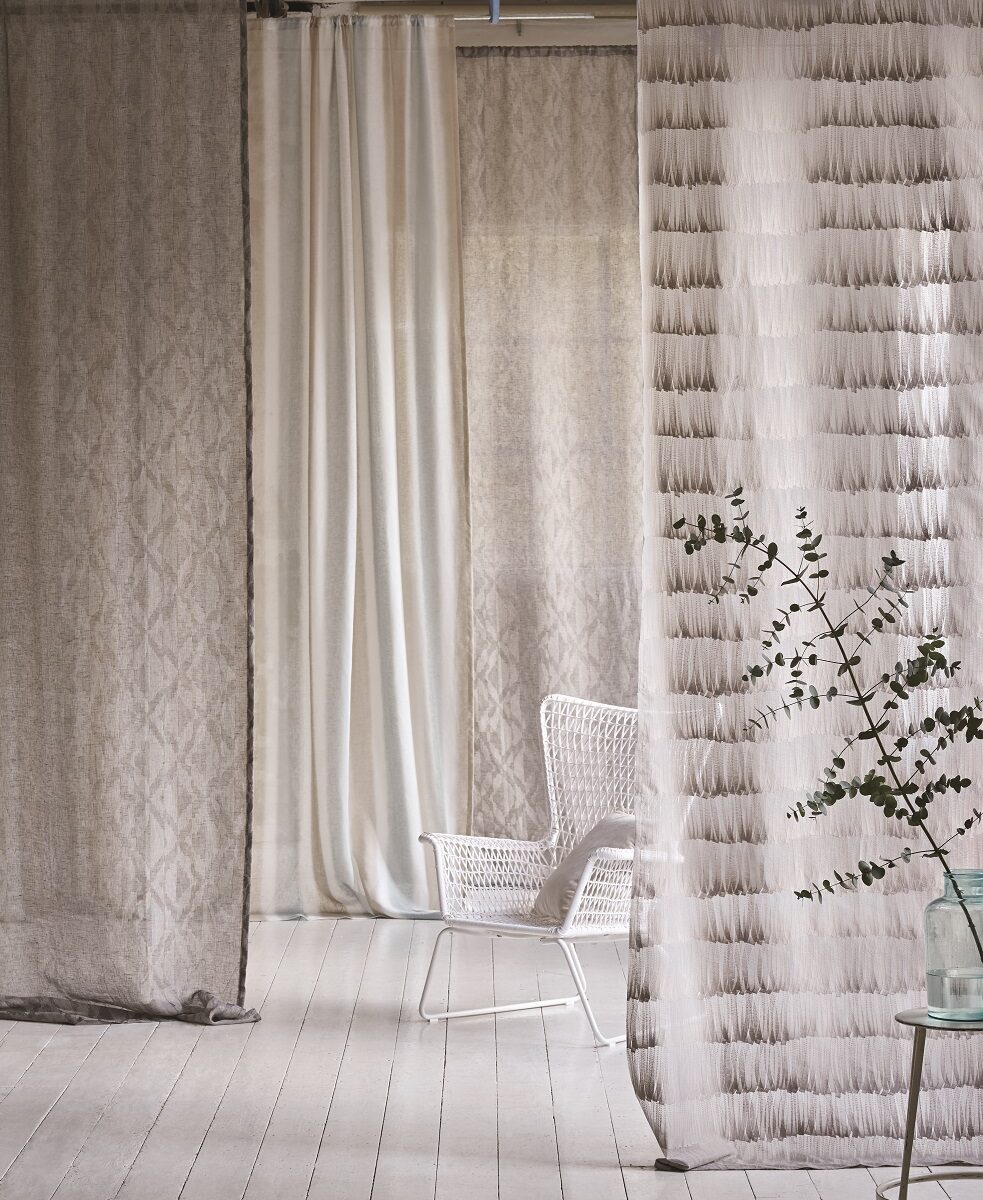
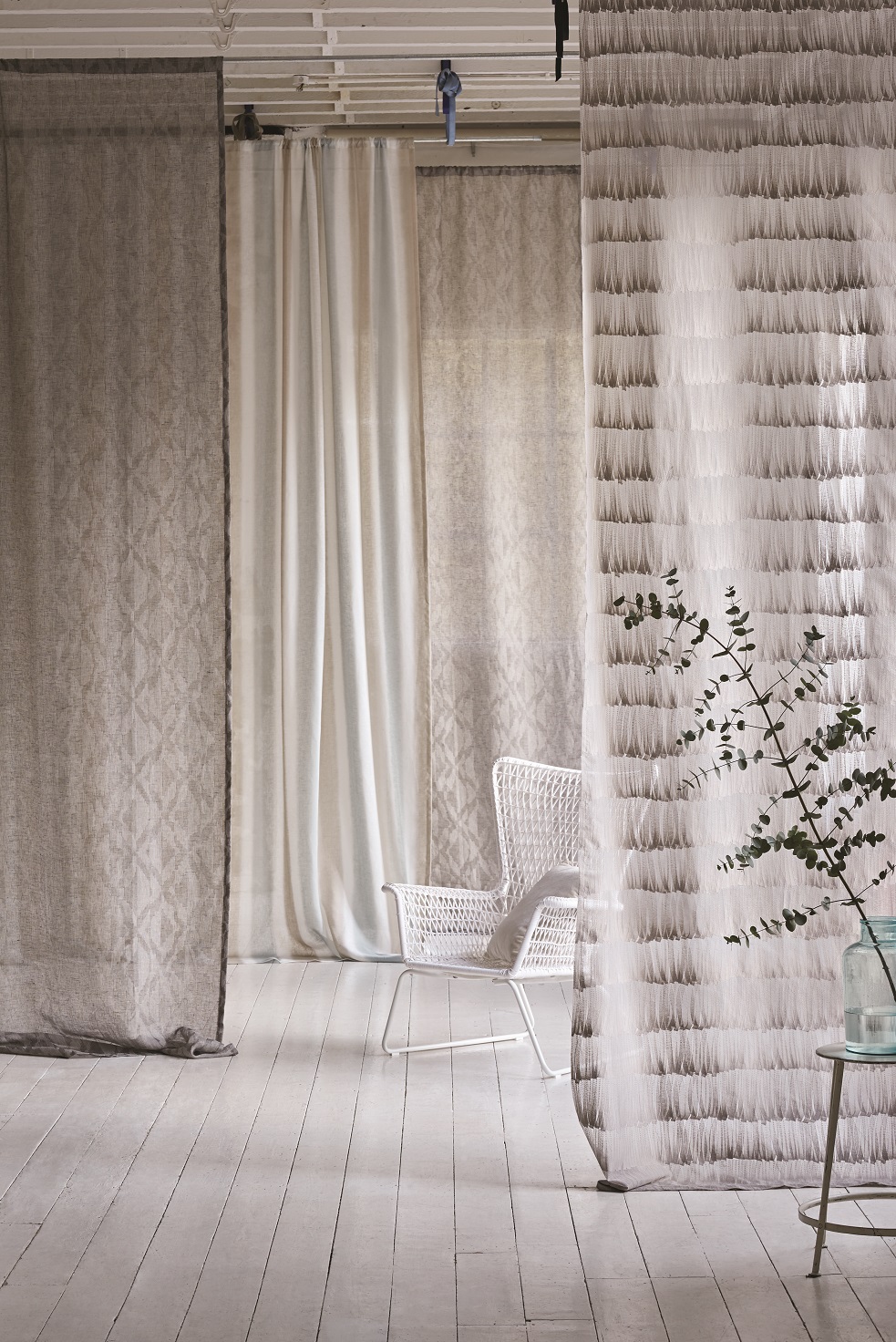
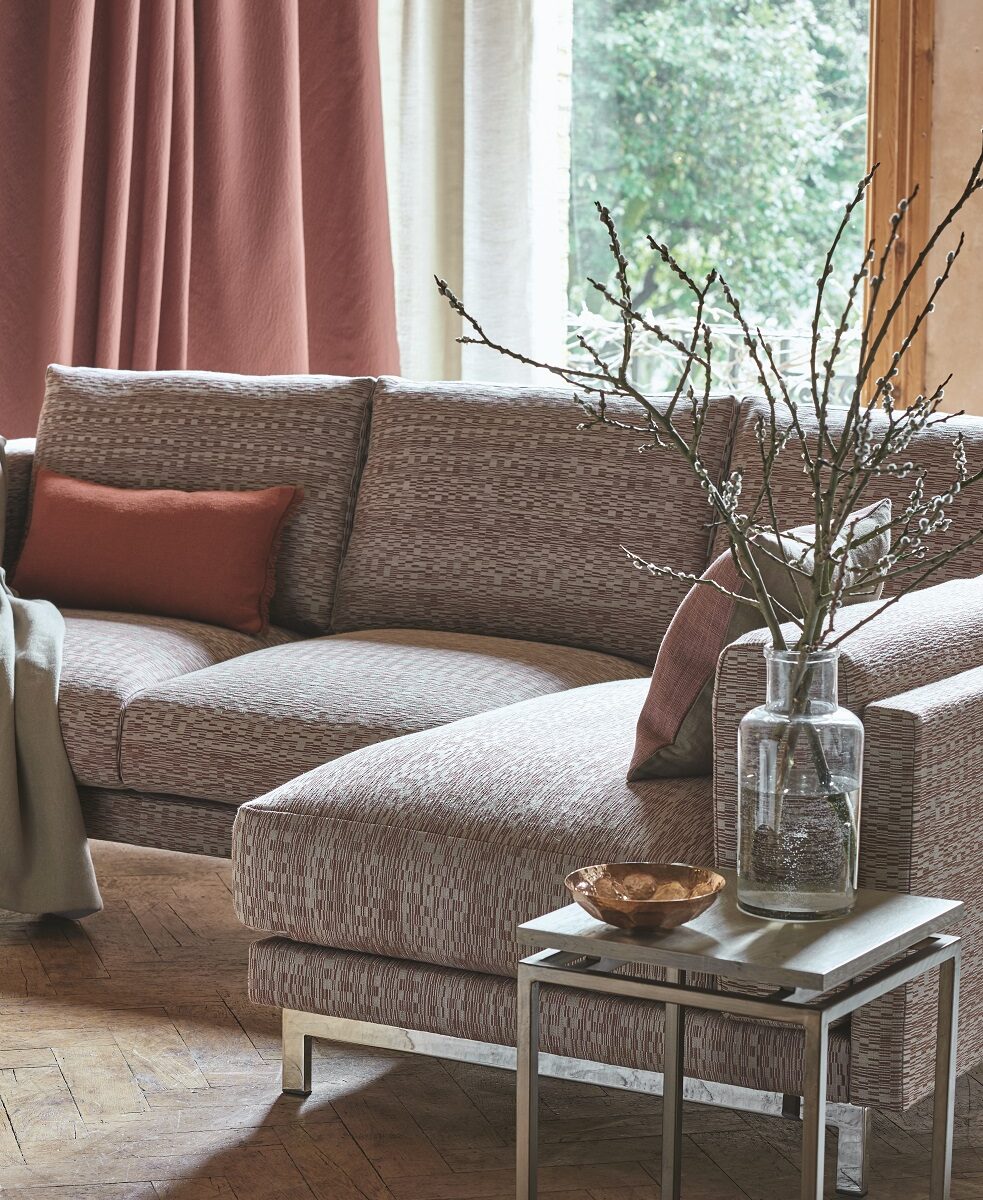
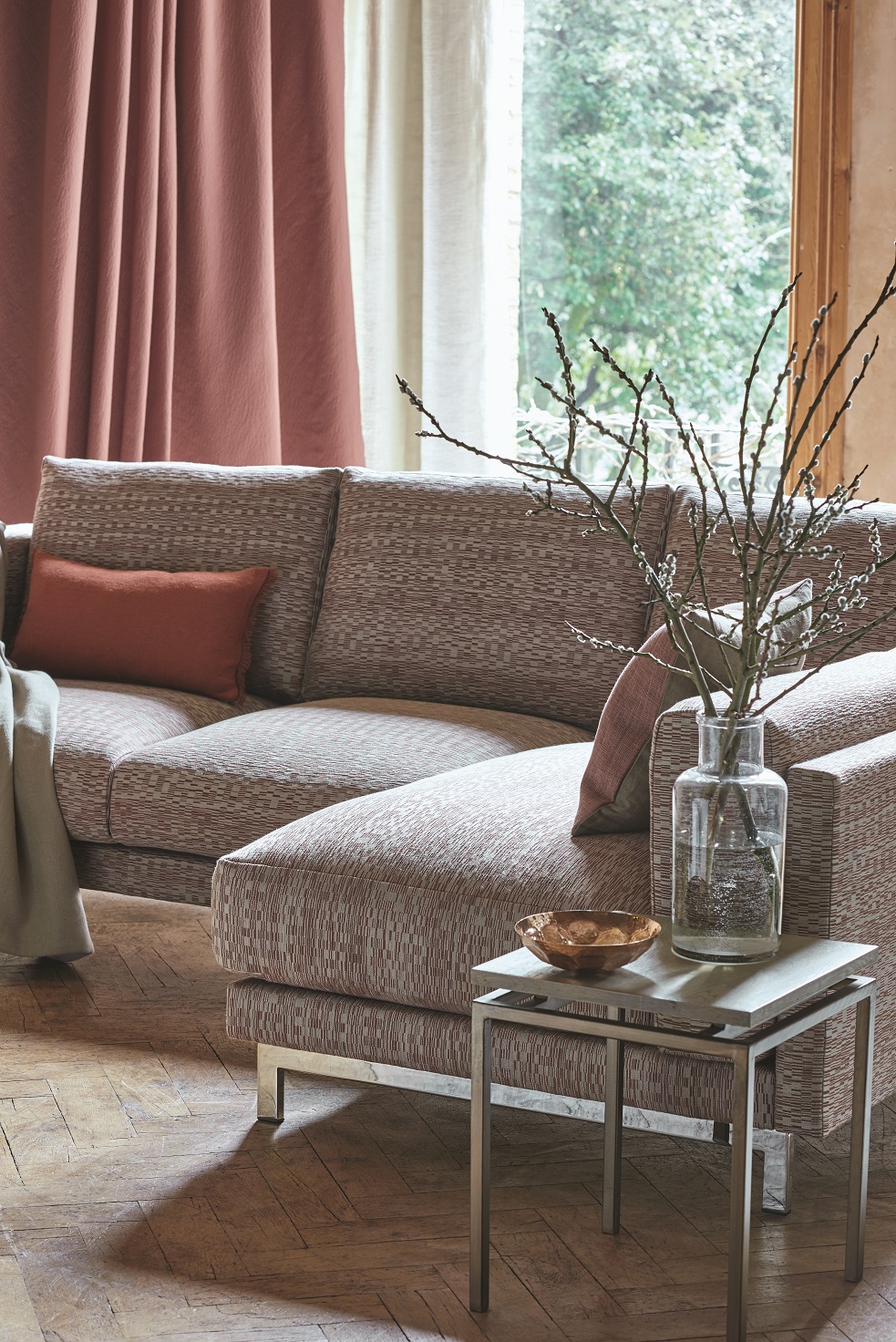
New KOTHEA Collections for Spring 2016. Textured upholstery,sumptuous textured weaves, mohair and silk velvets, faux leathers and new colours for our existing Cashmere Throw range. Sampling available on our <home page>.

Spring 2016

Mohair, Cotton and Silk Velvet Textured Upholstery Patterned

New KOTHEA Collections for Spring 2016. Textured upholstery,sumptuous textured weaves, mohair and silk velvets, faux leathers and new colours for our existing Cashmere Throw range. Sampling available on our <home page>.

Spring 2016

Silk Curtains Sheers & Voiles

New KOTHEA Collections for Spring 2016. Textured upholstery,sumptuous textured weaves, mohair and silk velvets, faux leathers and new colours for our existing Cashmere Throw range. Sampling available on our <home page>.

Spring 2016

Silk Curtains Sheers & Voiles Mohair, Cotton and Silk Velvet Textured Upholstery Patterned

New KOTHEA Collections for Spring 2016. Textured upholstery,sumptuous textured weaves, mohair and silk velvets, faux leathers and new colours for our existing Cashmere Throw range. Sampling available on our <home page>.

spring 2016

Silk Curtains Sheers & Voiles

New KOTHEA Collections for Spring 2016. Textured upholstery,sumptuous textured weaves, mohair and silk velvets, faux leathers and new colours for our existing Cashmere Throw range. Sampling available on our <home page>.